
A cancer diagnosis brings a whirlwind of emotions, immediate medical decisions, and, quite often, financial anxiety. One of the most urgent questions patients and their families ask is, "how much does chemotherapy cost?"
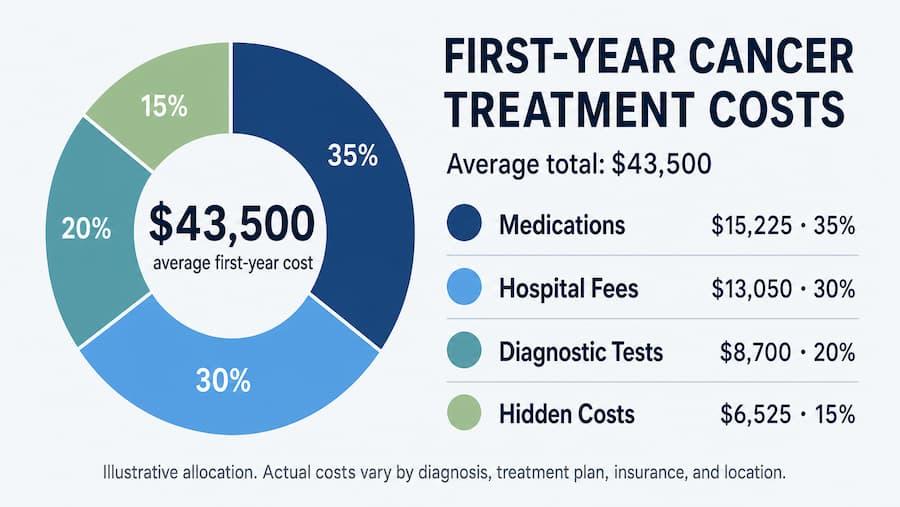
If you need the bottom line right now: without insurance, the total chemotherapy price typically ranges from $10,000 to over $200,000 for a full course of treatment. On average, a patient's total out-of-pocket and insurance-billed cancer care costs exceed $43,500 in the first year alone.
Understanding this chemotherapy cost is a critical part of your journey. While the exact amount will vary based on your specific diagnosis, treatment plan, and insurance coverage, getting a clear picture of the expected expenses can help you plan, budget, and find financial assistance programs.
In this comprehensive guide, we will break down exactly how much is chemotherapy going to impact your finances, uncover hidden expenses, explain how insurance works, and explore resources to help you manage your medical bills.
Understanding the Base Chemotherapy Cost
When people ask, "how much is chemotherapy?", they are usually thinking only of the price of the medication itself. However, the total cost of chemotherapy is a combination of the drugs, the facility, and the medical team administering the treatment.
For example, a single round of intravenous (IV) chemotherapy can range from $1,000 to $10,000 or more. Because a full course of treatment often involves multiple rounds over several months, the bills accumulate quickly.
Key Factors Influencing the Chemotherapy Price
There is no one-size-fits-all answer to cancer costs. Your specific bill will be influenced by several variables:
-
Type and Stage of Cancer: More aggressive or advanced cancers may require newer, more expensive targeted therapies or a combination of multiple chemo drugs.
-
Delivery Method: Chemotherapy can be administered intravenously (IV) in a clinic or taken orally as a pill at home. IV treatments require nursing care and facility use, while oral chemo drugs are often highly specialized and expensive out-of-pocket.
-
Treatment Duration: The number of cycles your oncologist prescribes directly impacts the total chemotherapy cost.
-
Location of Care: Receiving IV treatments at a hospital outpatient department usually incurs higher facility fees than receiving the same treatment at an independent community oncology clinic.
A Breakdown of Chemotherapy Expenses
To accurately budget for your treatment, it helps to understand exactly what you are being billed for. Your treatment plan will likely generate bills from several different sources:
1. The Chemotherapy Drugs
The actual chemical agents are a major part of the chemotherapy price. Some older, generic IV drugs (like Carboplatin or Methotrexate) can cost less than $100 per dose. However, newer targeted therapies, brand-name oral medications, or immunotherapy drugs can cost between $10,000 and $15,000 for a single month's supply.
2. Clinic and Hospital Facility Fees
If you receive IV chemotherapy, you aren't just paying for the medicine; you are paying for the chair, the room, and the specialized equipment. Facility fees can add hundreds or thousands of dollars to each hospital visit.
3. Oncology Visits and Professional Fees
You will be billed for the time and expertise of your medical team. This includes regular consultations with your oncologist to monitor your progress, as well as the specialized oncology nurses who administer the IV drips and monitor you for adverse reactions.
4. Diagnostic Testing and Lab Work
Before, during, and after your treatment cycles, your doctor will order tests to ensure the chemo is working and that your body is handling it safely. Frequent blood tests, MRIs, CT scans, and PET scans are required, adding significantly to the overall chemotherapy cost.
The Hidden Costs of Cancer Treatment
When asking "how much does chemotherapy cost," many patients forget to factor in the indirect, non-medical expenses of cancer care. These hidden costs can quickly drain a family's budget.
-
Travel and Lodging: If you live far from a specialized cancer center, you must budget for gas, tolls, parking fees, and potentially hotel stays for consecutive days of treatment.
-
Supportive Medications: Chemotherapy often causes side effects like severe nausea, anemia, or infections. The prescription medications required to manage these side effects (such as anti-nausea drugs or white blood cell boosters) are an additional expense.
-
Specialized Nutrition and Wigs: You may need dietary supplements to maintain your weight, or you may choose to purchase head coverings or wigs due to hair loss.
-
Lost Wages: Both the patient and their primary caregiver often need to take significant time off work, leading to a temporary or permanent loss of income precisely when expenses are peaking.

Does Insurance Cover the Cost of Chemotherapy?
For most patients, health insurance is the primary defense against the high chemotherapy price. However, having insurance does not mean your treatment is 100% free. You must understand your policy's out-of-pocket limits.
Medicare and Medicaid
If you are over 65 or have certain disabilities, Medicare will cover chemotherapy.
-
Medicare Part B covers chemotherapy given in a doctor’s office or freestanding clinic.
-
Medicare Part A covers chemotherapy if you are an inpatient in a hospital.
-
Medicare Part D is required to cover oral chemotherapy drugs taken at home.
Medicaid, a state and federally funded program, provides coverage for low-income individuals. Coverage varies by state, but it generally covers the vast majority of cancer treatment costs for eligible patients.
Private Health Insurance
If you have private insurance through an employer or the Affordable Care Act (ACA) marketplace, it is crucial to review your policy details:
-
Deductible: The amount you must pay out-of-pocket before insurance kicks in.
-
Co-insurance and Co-pays: The percentage or flat fee you pay for each visit or medication.
-
Out-of-Pocket Maximum: This is the most important number. Once your spending hits this annual limit, your insurance should pay 100% of covered in-network costs for the rest of the year.
Financial Assistance for Cancer Patients
If you are struggling to figure out how much is chemotherapy going to cost your family, know that help is available.
1. Online Fundraising
One of the most immediate and effective ways to relieve the financial burden of cancer treatment is through community support. Online crowdfunding allows friends, family, and even compassionate strangers to contribute directly to your medical bills, travel costs, and daily living expenses. We highly recommend using *spotfund for your medical fundraising. Rated #1 on Trustpilot, spotfund is completely free to use with 0% platform fees. They offer next-day payouts so you can access your funds immediately, and their built-in AI story writer can help you craft a beautiful, compelling campaign description in seconds during a time when you may feel too overwhelmed to write.
👉 Create your free fundraiser on *spotfund for chemotherapy treatment now!
2. Financial Navigators
Most major cancer centers have financial counselors or social workers on staff. Ask to speak with one immediately upon diagnosis. They can help you understand the limits of your insurance policy, set up zero-interest payment plans directly with the hospital, and connect you with local grants.
3. Nonprofit Organizations
Several national nonprofits are dedicated to bridging the financial gap for cancer patients:
-
The Leukemia & Lymphoma Society (LLS): Offers co-pay assistance and travel grants for blood cancer patients.
-
CancerCare: Provides limited financial assistance for treatment-related costs like transportation and childcare.
-
The HealthWell Foundation: Assists with insurance premiums, copays, and deductibles for chronic and life-altering illnesses.
4. Pharmaceutical Assistance Programs
If you are prescribed an expensive brand-name or oral chemotherapy drug, look up the drug's manufacturer online. Many pharmaceutical companies have dedicated patient assistance programs that provide medications at a steep discount, or even for free, to uninsured or underinsured patients who meet specific income requirements.
Frequently Asked Questions (FAQ)
How much is chemotherapy without insurance?
Without insurance coverage, the out-of-pocket cost for a full course of chemotherapy typically ranges from $10,000 to well over $200,000. The total depends heavily on the specific drugs required, the number of cycles, and hospital facility fees.
What is the chemotherapy price per session?
A single session of IV chemotherapy can cost anywhere from $1,000 to $10,000 or more before insurance is applied. This includes the cost of the drug, the oncology nurse administering it, and the use of the facility chair and medical equipment.
Are oral chemotherapy drugs cheaper than IV infusions?
Not necessarily. While oral chemotherapy saves you from paying hospital facility fees and IV administration costs, the pills themselves are often specialized, brand-name targeted therapies that can cost $10,000 to $15,000 per month out-of-pocket. Furthermore, insurance often treats oral chemo as a "pharmacy benefit" rather than a "medical benefit," which can result in different, sometimes higher, co-pays.
How can I manage out-of-pocket cancer costs?
To manage out-of-pocket costs, always ensure you are seeing "in-network" providers. Ask your oncologist if there are highly effective generic alternatives to name-brand drugs. Additionally, work with your hospital's financial navigator to apply for nonprofit co-pay assistance programs and set up zero-interest monthly payment plans.
Does insurance cover the side effects of chemotherapy?
Health insurance generally covers the medical treatments required for side effects, such as prescription anti-nausea medication or hospital stays for fevers. However, non-medical solutions for side effects, such as wigs for hair loss, are rarely covered unless your doctor writes a specific prescription for a "cranial prosthesis," which a few plans may partially cover.
What happens if I can't afford my cancer treatment?
Never stop or delay your treatment without speaking to your care team. Communicate your financial distress directly to your oncologist and hospital social worker. They can enroll you in charity care programs, adjust your treatment to a more affordable protocol if clinically appropriate, or connect you with state-funded aid.
Start Your Free Fundraiser Today
If you or a loved one are facing the overwhelming expenses of cancer treatment, you don't have to carry the financial burden alone. *spotfund makes it easy to rally your community and raise money for medical bills, travel, and lost wages. With 0% platform fees, next-day payouts, and an AI-powered fundraising tool to help you write a beautiful, compelling campaign story, you can focus entirely on healing while your friends and family provide the support you need.
👉 Create your free fundraiser on *spotfund (Learn more about how it works)