
So, exactly how much does plastic surgery cost? On average, most patients spend between $4,000 and $15,000 out-of-pocket for popular cosmetic procedures. However, minor enhancements can start around $3,000, while extensive, multi-procedure surgeries (like a full mommy makeover or comprehensive facelift) can easily exceed $25,000.
Before diving into the numbers, it helps to clarify what this field actually entails. Plastic surgery is a broad medical specialty dedicated to the restoration, reconstruction, or alteration of the human body. It is generally divided into two main categories:
-
Cosmetic (Aesthetic) Surgery: Elective procedures performed to enhance or reshape normal structures of the body to improve appearance and self-esteem (e.g., breast augmentation, facelifts).
-
Reconstructive Surgery: Procedures performed on abnormal structures of the body caused by congenital defects, developmental abnormalities, trauma, infection, tumors, or disease (e.g., breast reconstruction after mastectomy, cleft lip repair).
Whether you are pursuing a procedure for medical reasons or personal confidence, navigating the cost of plastic surgery requires understanding exactly what you are paying for. This comprehensive guide will break down the average prices by procedure, uncover the hidden fees that inflate your final bill, and explore practical ways to finance your journey.
Average Plastic Surgery Cost by Procedure
To establish a realistic budget, it helps to look at the national averages. According to the American Society of Plastic Surgeons (ASPS), millions of aesthetic procedures are performed annually, and prices can fluctuate heavily based on your geographic location and the surgeon's level of expertise.
Note: The figures below represent the total estimated out-of-pocket costs, combining surgeon fees, facility fees, and anesthesia.
Body Contouring Procedures
Body contouring is incredibly popular, especially for patients looking to remove stubborn fat, restore their pre-pregnancy bodies, or remove excess skin after significant weight loss.
-
Tummy Tuck (Abdominoplasty): $9,000 – $16,000+. This procedure removes excess skin and fat while restoring weakened abdominal muscles.
-
Liposuction: $4,000 – $10,000. Because it is billed per treatment area (e.g., abdomen, thighs, flanks), comprehensive 360-degree liposuction will sit at the higher end of this range.
-
Brazilian Butt Lift (BBL): $9,000 – $15,000+. This involves liposuction to harvest fat from one area of the body, which is then purified and injected into the buttocks for enhancement.
Breast Procedures
Breast surgeries are highly customized to the individual's anatomy, existing tissue, and desired aesthetic outcome.
-
Breast Augmentation: $6,500 – $10,000. The plastic surgery cost here depends heavily on the type of implant used (saline vs. highly cohesive silicone "gummy bear" implants).
-
Breast Lift (Mastopexy): $7,000 – $11,000. Frequently combined with an augmentation, a standalone lift removes excess skin and tightens surrounding tissue.
-
Breast Reduction: $7,500 – $13,000. Unlike most procedures on this list, breast reduction may be covered by health insurance if it is deemed medically necessary.
Facial Procedures
Facial surgeries require immense precision and artistry. Because the results are impossible to hide, patients often seek out top-tier, highly specialized surgeons, which drives up the cost of plastic surgery in this category.
-
Rhinoplasty (Nose Reshaping): $8,500 – $15,000+. Revision rhinoplasty (fixing a previous nose job) is significantly more complex and often costs upwards of $15,000 to $20,000.
-
Facelift (Rhytidectomy): $12,000 – $25,000+. A full facelift is a major investment that addresses the lower face, jowls, and neck.
-
Eyelid Surgery (Blepharoplasty): $4,500 – $8,000. This can be performed on the upper eyelids, lower eyelids, or both, to remove sagging skin and under-eye bags.
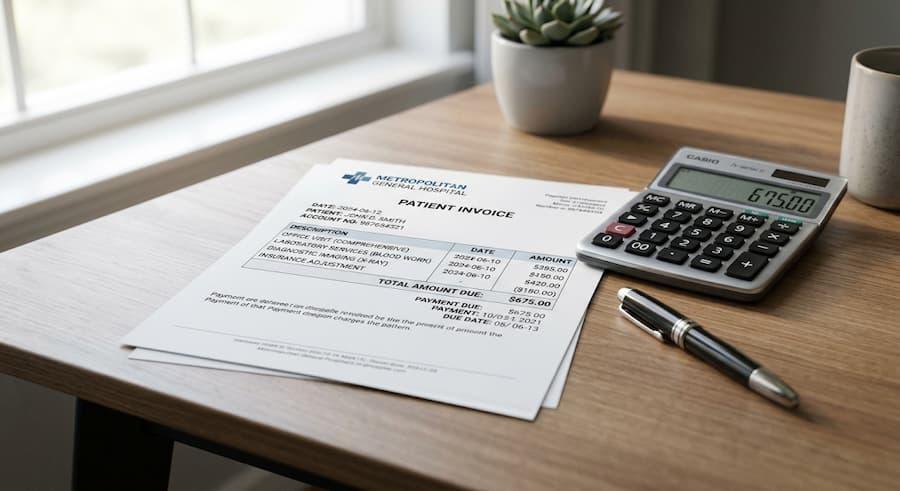
Hidden Fees: Calculating the Total Cost of Plastic Surgery
When you first ask a clinic, "how much does plastic surgery cost?", they will often quote you the "surgeon's fee." This is just the cost of the doctor's time and expertise.
To avoid sticker shock, you must calculate the total cost, which includes several mandatory additions:
-
Operating Room / Facility Fees: Surgeries must be performed in a sterile, accredited surgical center or hospital. These facilities charge by the hour, usually adding $1,500 to $3,000 to your bill.
-
Anesthesia Fees: A board-certified anesthesiologist or CRNA is required to keep you safe and unconscious during surgery. Expect to pay $1,000 to $2,500 depending on the surgery's duration.
-
Medical Clearances and Lab Work: Pre-op blood panels, EKGs, and sometimes mammograms are mandatory to prove you are healthy enough for an operation.
-
Post-Surgery Garments: Medical-grade compression garments, surgical bras, and special recovery pillows (like BBL pillows) are essential for proper healing and usually cost $100 to $300.
-
Prescription Medications: Painkillers, antibiotics, and anti-nausea medications will be needed during your first week of recovery.
Always ask your surgical coordinator for an "all-in" quote during your initial consultation.
Does Insurance Cover the Cost of Plastic Surgery?
For cosmetic procedures meant solely to improve appearance, standard health insurance plans will not cover the plastic surgery cost.
However, if the procedure is reconstructive or deemed "medically necessary" to improve physical function or relieve severe pain, your insurance provider might cover a portion or all of it. Common examples include:
-
Breast Reduction: Often covered if the excessive weight of the breasts causes documented, chronic back, neck, or shoulder pain.
-
Rhinoplasty / Septoplasty: Covered if the surgery is required to correct a deviated septum that severely impairs your breathing.
-
Blepharoplasty: Covered if drooping upper eyelid skin sags low enough to significantly impair your field of vision (proven via an eye exam).
-
Breast Reconstruction: Under federal law, insurance companies that cover mastectomies must also cover breast reconstruction surgery.
Securing insurance coverage requires extensive documentation, photographic evidence, and pre-authorization letters from your primary care physician and your plastic surgeon.

How to Finance Your Cosmetic Surgery
Because most cosmetic and reconstructive procedures are elective, very few patients pay for their entire surgery upfront with cash or a debit card. Once you have calculated the total cost of plastic surgery during your consultation, exploring your financing options is the next critical step.
If you are comfortable with the final price tag, here are the most effective ways to manage and fund the expense:
1. Medical Credit Cards
Companies like CareCredit or Alphaeon Credit offer specialized credit cards designed exclusively for out-of-pocket healthcare and wellness expenses.
-
How it works: These cards frequently offer deferred-interest promotional periods, such as 0% interest for 6, 12, or even 24 months, depending on your credit score and the surgeon's network.
-
What to watch out for: You must be diligent about paying off the balance in full before the promotional period ends. If you miss the deadline, you will be hit with steep, retroactive interest rates calculated from the original date of surgery.
2. Personal Medical Loans
Traditional banks, credit unions, and online lenders offer unsecured personal loans specifically tailored for elective medical procedures.
-
How it works: Unlike revolving credit cards, personal loans provide a lump sum of money upfront with a fixed interest rate and fixed monthly payments over a set term (usually 1 to 5 years).
-
What to watch out for: This makes monthly budgeting much easier, but your approval odds and interest rate will be heavily determined by your credit history and current debt-to-income ratio.
3. In-House Surgeon Payment Plans
Many high-end aesthetic practices understand that the high plastic surgery cost can be a hurdle, so they offer internal payment solutions to help patients achieve their goals without taking on high-interest debt.
-
How it works: The most common setup is a surgical "layaway" plan. You make monthly deposits directly to the clinic over a period of time. Once your balance is paid in full, you can officially lock in your surgery date. Some practices also offer in-house, zero-interest installment plans, though these are becoming less common.
4. Online Fundraising and Medical Crowdfunding
For surgeries that bridge the gap between cosmetic and medical—such as reconstructive surgeries after trauma, gender-affirming care, breast reductions for chronic pain, or excess skin removal after massive weight loss—many patients successfully turn to their communities for financial support through online fundraising.
-
How it works: Setting up a medical crowdfunding campaign allows friends, family, and supportive network connections to contribute directly to your healthcare costs.
-
Why use *spotfund: When raising money for a medical procedure, you want a platform that doesn't take a cut of your donations. *spotfund is a highly rated, completely free online fundraising platform with 0% platform fees. It features an AI-assisted story writer to help you explain your medical journey, easy one-click sharing to social media, and next-day payouts. By using *spotfund, you ensure that the money your loved ones donate goes directly toward your surgery and recovery, rather than hidden platform fees.
Frequently Asked Questions (FAQ)
Is it cheaper to go overseas for plastic surgery?
Yes, the initial plastic surgery cost in countries known for medical tourism (like Turkey, Mexico, or the Dominican Republic) is significantly lower than in the United States. However, traveling abroad carries major risks. You do not have the same legal protections, the standard of care can vary, and if you suffer complications upon returning home, treating them out-of-pocket can easily erase any money you originally saved.
Can you negotiate the cost of plastic surgery?
Board-certified plastic surgeons rarely negotiate their base fees. However, you can save money by combining multiple procedures into a single operation. For example, having a breast lift and a tummy tuck at the same time means you only pay the facility and anesthesia fees once, saving you thousands of dollars.
How much does a full mommy makeover cost?
A mommy makeover is a combination of procedures—usually a tummy tuck, breast enhancement (lift or implants), and liposuction. Because it is a lengthy, multi-part surgery, the total price usually ranges from $15,000 to $25,000+, depending on the exact procedures performed and your location.
Start Your Free Fundraiser Today
Figuring out exactly how much does plastic surgery cost can be incredibly stressful, especially if your procedure is reconstructive, gender-affirming, or medically necessary for your quality of life. If you need financial assistance to cover high deductibles, hidden surgical fees, or lost wages during recovery, spotfund is the safest, most trusted way to gather support. With 0% platform fees, next-day payouts to your bank account, and a built-in AI tool to help you write your campaign story in seconds, you can easily raise the money you need without the stress.