
Hello, If you've clicked on this link, it's likely you've followed a little bit of what F-stop farm has been doing over the years. I've been debating for weeks if publishing this was the right thing to do... I recently overheard a conversation about the increasing frequency of "kick-startes" and "go-fund-me" sites popping up... referring to the practice as "digital pan-handling" ... I considered creating a cardboard sign reading "will feed you for $" ... ok.. jokes aside.. all pride swallowed.
This endeavor began - and still pushes along- for what I believe is the fundamentally important practice of creating real world examples of how to choose to make important and necessary change in our food systems and food economy. I'm one of many working to promote new and different considerations of how to define the idea of what a "farm" could or should be. It's not just about starting a garden or small farm as a business.. It's about creating an experience around food that connects it to our communities, our environment, to our health, welfare, and educational institutions. What we eat, how we eat- where our food comes from- is one of the most important set of choices we make on a daily basis.
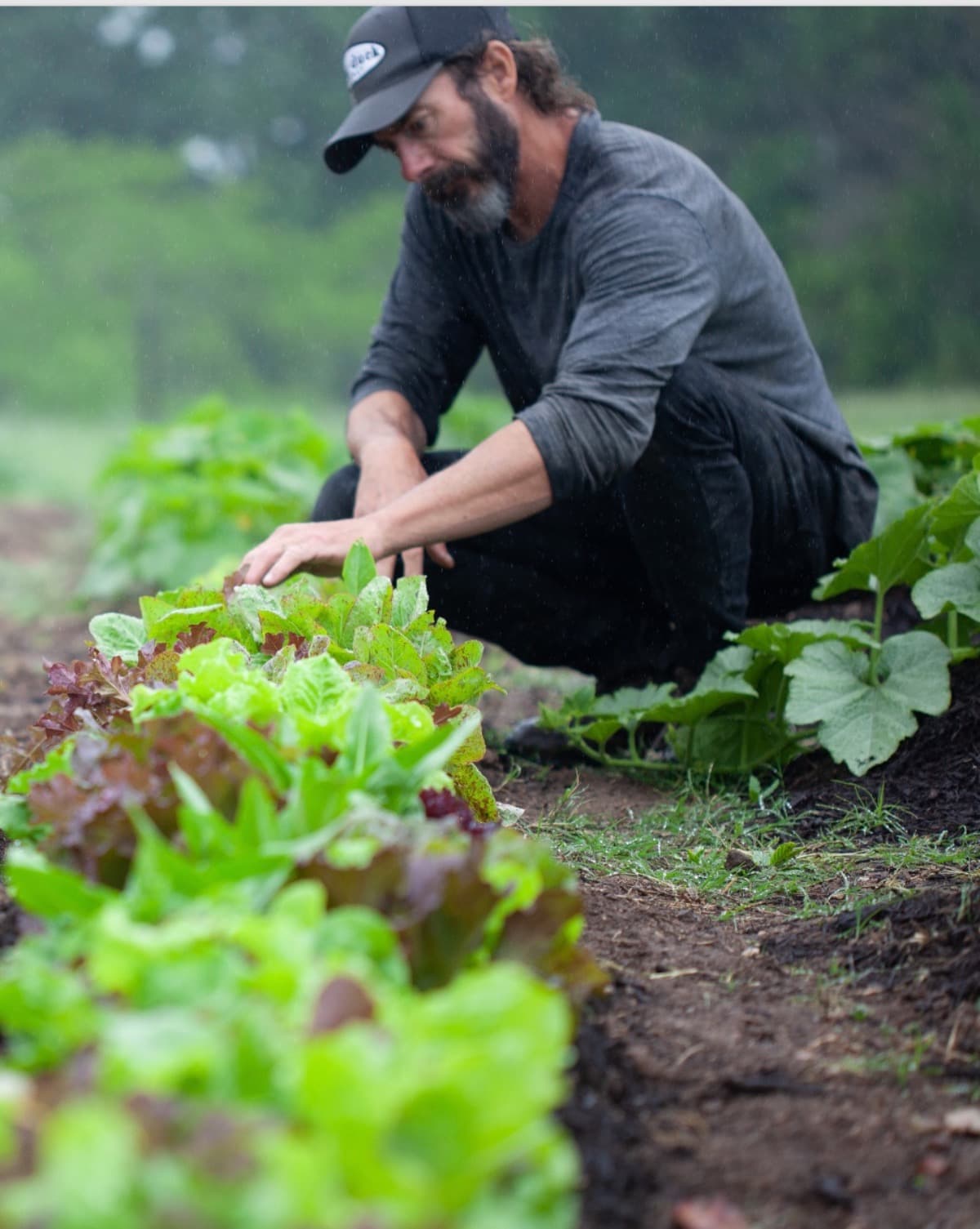
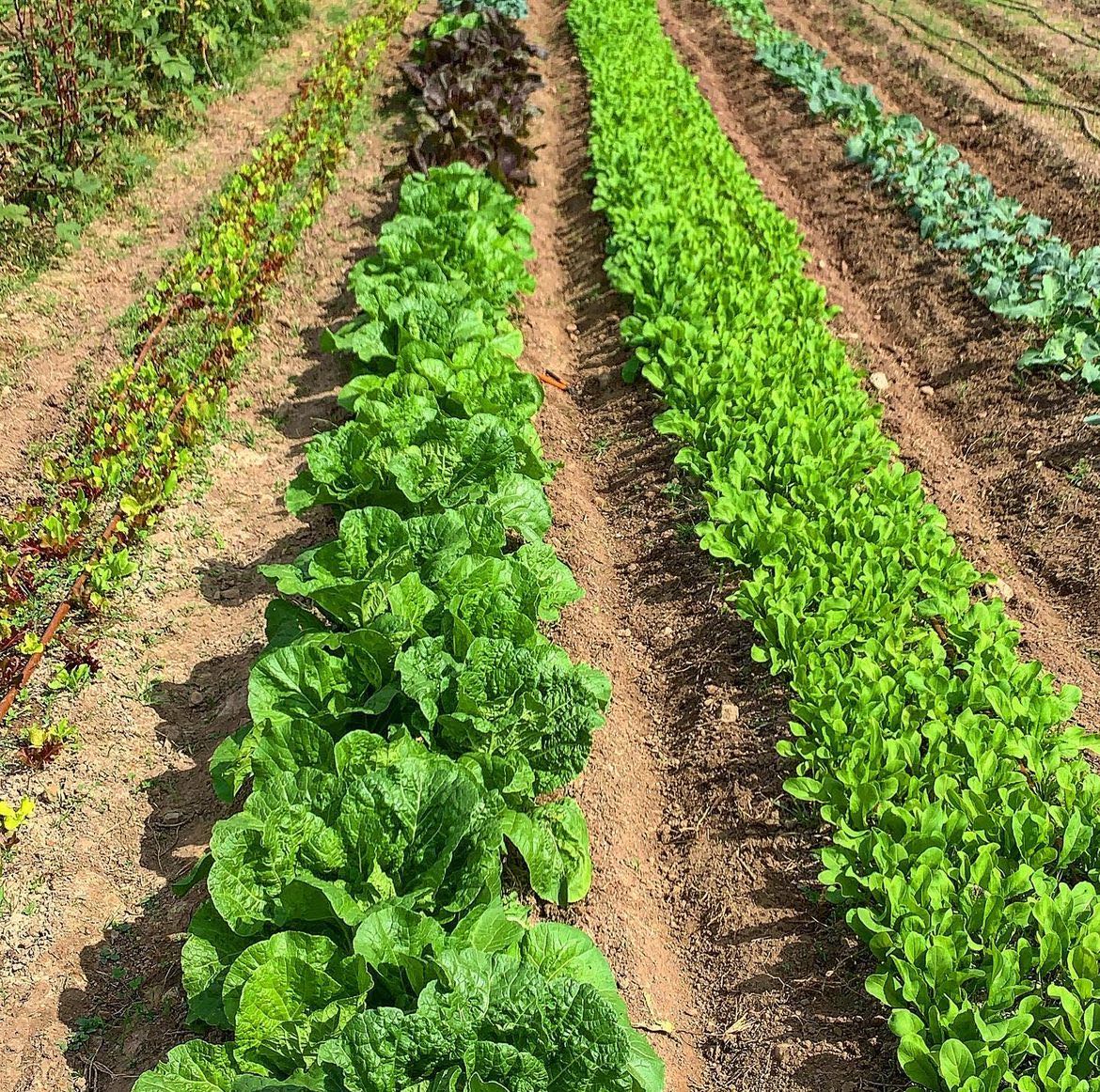
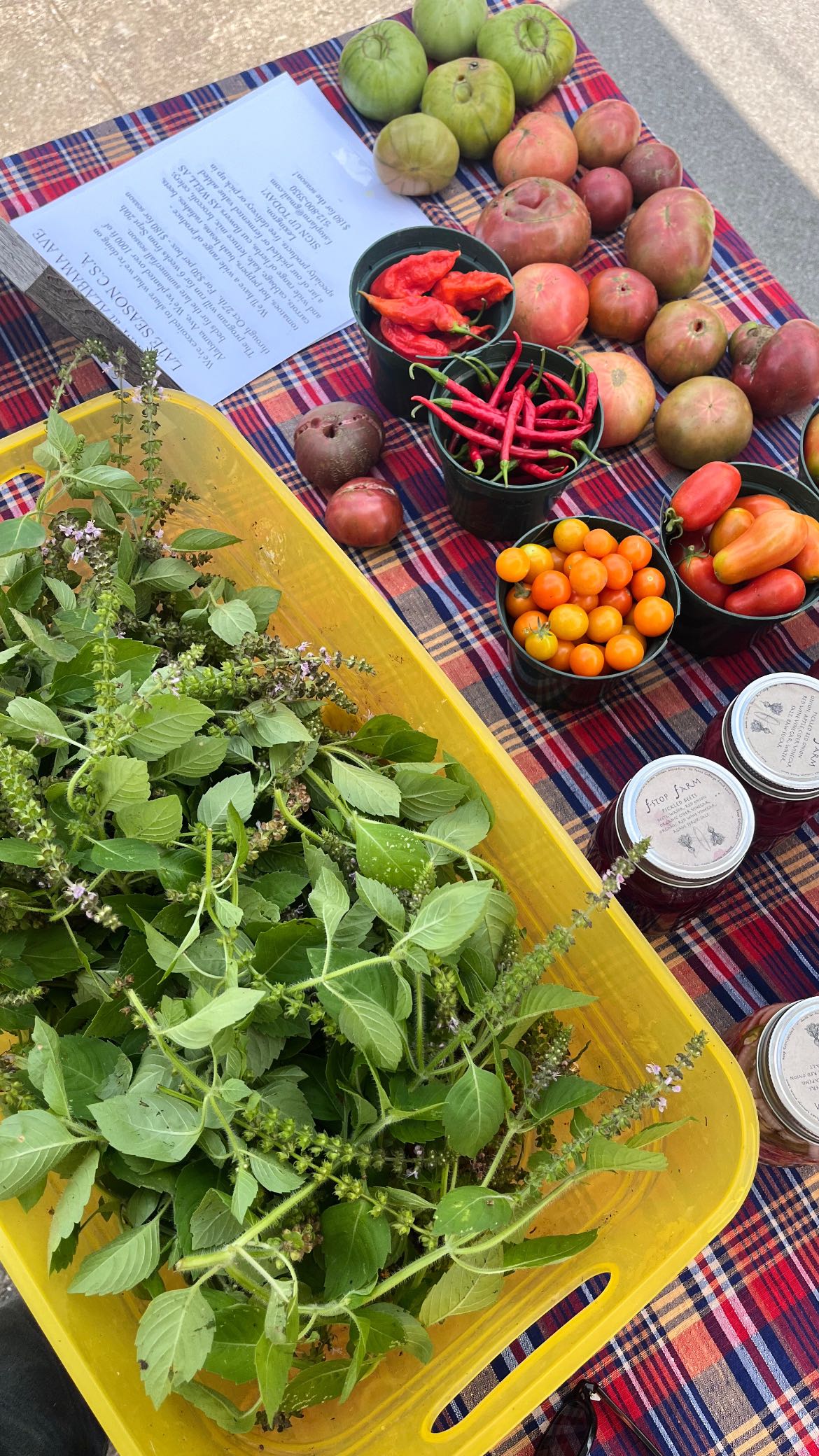
So, what's the story? what's the goal? what is the ROI? what's the value? A decade ago in Austin, Texas.. I turned my 3/4 acre residential lot into a small market farm/garden that specialized in a culinary focus - producing a wide variety of vegetables, fruits, herbs, edible and cut flowers- along with a flock of chickens producing dozens of eggs weekly- and a cottage food business making pickles and ferments out of our home kitchen- F-stop grew into a local, organic practice, food business that grossed nearly $100k a year between 2015-17. Then... My marriage fell apart.. Which was ultimately the reason for the eventual end of f-stop in Austin. Land ownership/ affordable access to land- is at the heart of managing a practical small farm operation. Between trying to manage land leases as well as separate living costs and paying down debt from my marriage and being a single co-parent- the project became financially unsustainable. I tried hard for nearly 4 more years. I left Austin in 2023 to return home to Lexington, Kentucky. It's been the toughest period of my life. There really is no way to not make it a personal story- and I wouldn't want it to be told any differently- the path remained the same- and hard work and perseverance have provided new opportunities.
Lexington brought me back to my family and many important, long standing relationships and connections. Now there's the potential to recreate the concept and work toward proof of practice on a small urban lot in the heart of my home town. I've developed new partnerships and collaborations in the community I'm excited to share as the Alabama Ave garden grows. We're working to secure a long term agreement to make sure we have tenure to create a valuable resource for the community. We want to create a 501c3 to help us build an educational component as well as to work to access more land within greater Lexington / Fayette county. We also have a larger vision of developing new economic frameworks - housing and career opportunities in local sustainable ag - we call an "Agricultural Economic Zone". Not so much an "intentional community" but a new kind of small farm business model with a focus on multiple, high value revenue streams, skilled labor, and integrated housing.
To connect the community directly to their local food system. To shorten the supply chain. To reduce environmental impact. To rebuild our relationship to the land. To foster and prioritize the joy of cooking. To reintroduce centuries old and culturally diverse food ways. And to create a new agricultural job sector focused on specialized, skilled labor, as well as integrated housing for laborers.
There's a lot of work to be done. It's good work. It's rewarding work. I believe we can create something new and modern and technologically advanced that finds it's root in age old traditional and practices that help to strengthen communities, reduce environmental impact, make us more healthy, and teach us how to stay grounded and connected to the ecosystems we inhabit. I hope you see the value in the work. that your contribution will help us to create infrastructure, secure land access, and promote this concept to a larger audience. Thanks for your time and consideration.
Ryan Farnau, F-stop Farm