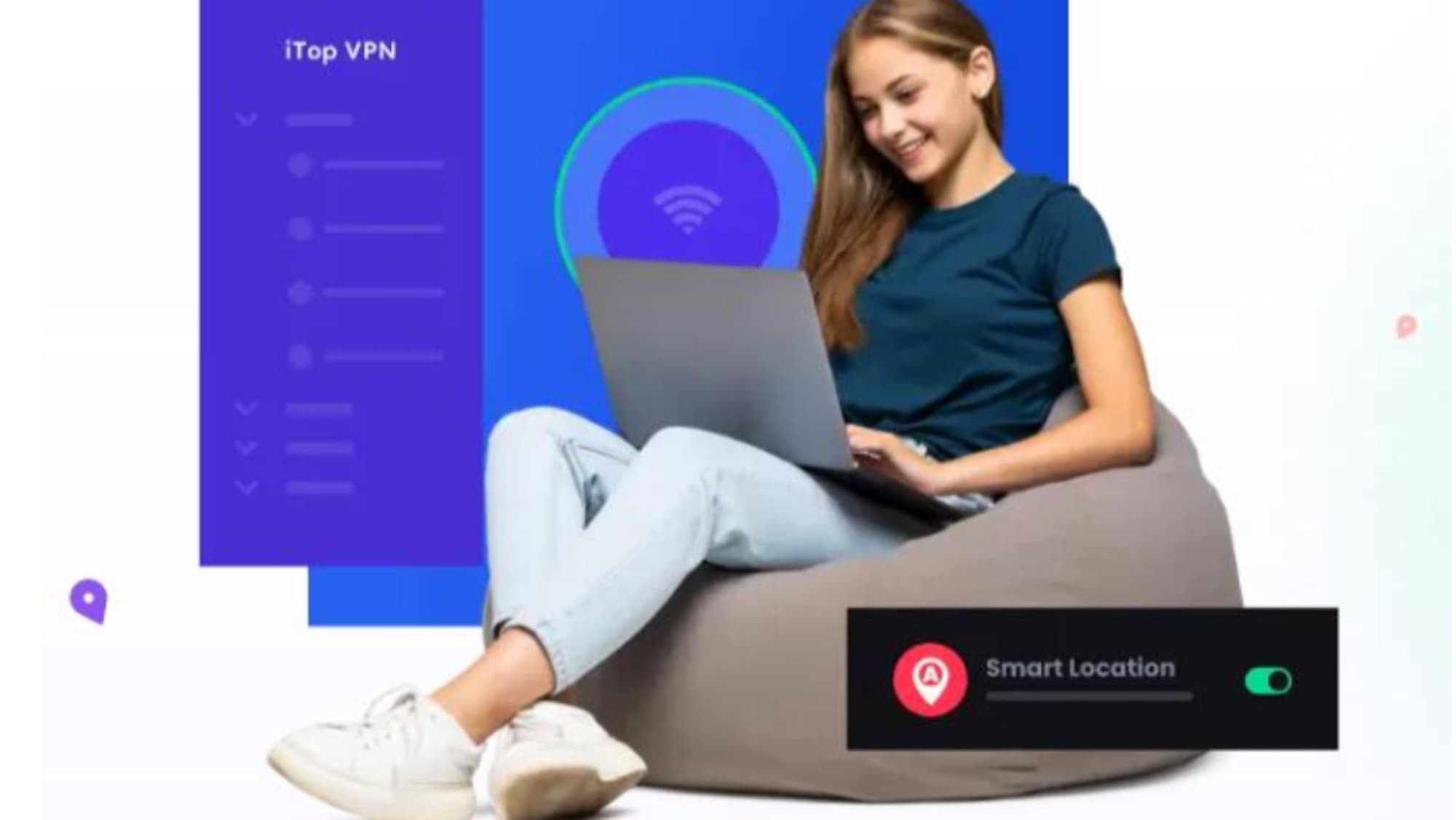


The Growing Importance of VPNs in the Digital Age
In today’s connected world, online privacy and security have become essential rather than optional. From remote work to online banking and streaming, users are constantly sharing data across the internet. This increased activity has also attracted cybercriminals, data trackers, and surveillance entities. As a result, Virtual Private Networks (VPNs) have emerged as one of the most effective tools for protecting digital identity and ensuring safe internet usage.
A VPN works by encrypting your internet connection and routing it through a secure server, masking your IP address and location. This simple yet powerful technology offers users greater control over their online presence while maintaining anonymity and freedom on the web.
Why VPNs Are Essential for Windows Users
Windows remains one of the most widely used operating systems globally, making it a common target for malware, hackers, and phishing attacks. Whether you’re using public Wi-Fi at a café or accessing sensitive work files from home, an unprotected connection can expose your data to risks.
Using a reliable VPN on Windows helps safeguard personal information such as passwords, browsing history, and financial details. It also prevents Internet Service Providers (ISPs) from monitoring online activity and limits targeted advertising based on user behavior. A dedicated Windows VPN solution like iTop VPN is designed to integrate smoothly with the operating system while offering strong encryption, fast speeds, and user-friendly controls.
Key Benefits of Using a VPN
One of the most notable advantages of a VPN is enhanced privacy. By hiding your real IP address, VPNs prevent websites and third parties from tracking your location and identity. This is especially useful for users who value anonymity or live in regions with strict internet regulations.
Another major benefit is improved security. VPN encryption protects data from being intercepted by hackers, particularly on unsecured public Wi-Fi networks. Additionally, VPNs allow access to geo-restricted content, enabling users to browse global websites, stream media, or access services that may otherwise be unavailable in their region.
Understanding Free VPN Options
Many users hesitate to adopt VPNs due to cost concerns. Fortunately, free VPN solutions provide an accessible entry point for those looking to improve their online security without immediate financial commitment. A VPN free option can be ideal for casual users who want basic protection, secure browsing, and limited access to VPN servers.
However, it is important to choose a trustworthy free VPN provider. Some free services compromise user privacy by logging data or displaying intrusive ads. Reputable providers balance free access with reasonable limitations, such as bandwidth caps or fewer server locations, while still maintaining strong security standards.
How to Choose the Right VPN for Your Needs
Selecting the right VPN depends on your usage goals. For everyday browsing and privacy protection, a free VPN may be sufficient. For advanced needs such as streaming, gaming, or remote work, a premium VPN with higher speeds and broader server coverage is often more suitable.
Key factors to consider include encryption strength, no-log policies, ease of use, compatibility with your device, and customer support. A well-designed VPN client should be easy to install, simple to navigate, and reliable in performance.
Conclusion
As online threats continue to evolve, protecting your digital life is more important than ever. VPNs provide a practical and effective solution for enhancing privacy, improving security, and accessing a freer internet. Whether you choose a free option or a dedicated Windows VPN, using a trusted service can significantly reduce online risks and give you peace of mind while browsing in today’s digital landscape.