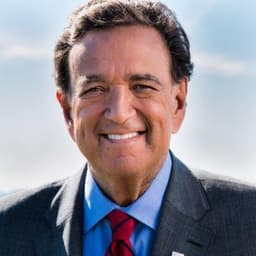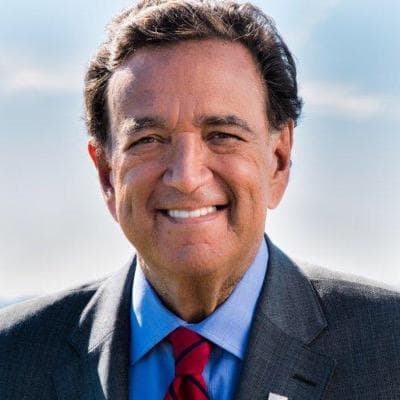

The Bill Richardson Criminal Justice Challenge Fund to combat the illegal wildlife trade in Africa
Objective:
To Raise $1 million dollars over three years to build legal capacity to combat wildlife crime in Africa
What the Challenge Fund will support:
By 2011, the illegal wildlife trade was claiming the life of one elephant every half an hour, day in, day out. Poaching rates have since fallen, but without vigilance elephant deaths could easily spike again. Many other wildlife species, however, continue to face major pressure from this illicit trade. The battle against poaching is complex and demands a multifaceted approach that includes frontline protection and curbing demand for ivory, but also robust legal processes that ensures high penalties and convictions for wildlife crime.
We have seen growing success rates in terms of catching poachers on the ground. That is now being matched by increasing conviction rates in the court room. For example in Kenya before 2014 it was estimated that less than 24% of wildlife crime was successfully prosecuted. Today, that figure is close to 90%.
The Bill Richardson Justice Fund will accelerate this change already underway in many African nations to strengthen prosecutions against wildlife criminals. Its focus runs all the way from the point of arrest to the point of conviction, making sure that increasingly robust laws become the most effective deterrent against wildlife crime they can be.
This ambitious program partners with criminal justice stakeholders across the continent to deliver sustainable interventions in multiple jurisdictions that impact not just wildlife crime, but all crime.
By taking this approach, we will be able to deliver high quality and sustainable interventions in multiple jurisdictions that impact not just wildlife crime, but all crime.
How Does Judicial Reform Help Save African Wildlife?
Legal penalties for wildlife crime were for a long time inadequate, with poachers found with tens of thousands of dollars of ivory or rhino horn often being released with fines of only hundreds of dollars. Laws were inadequate, sentencing inconsistent, and cases collapsed because of avoidable mistakes. Officials lacked proper training to gather and preserve evidence, and there were gaps in knowledge about how fully the force of the law could be applied.
Today, this is changing. Laws are being rewritten so sentencing is more proportionate and robust, making the threat of prosecution a far greater deterrent than it has been. Enhanced training and stronger partnerships between conservationists and law enforcement are starting to send conviction rates skyrocketing.
Improving the Legal Pathway to Stop Poaching
The Space for Giants Wildlife Justice Program strengthens the entire criminal justice chain, from the point of arrest to the point of conviction. It’s transforming the culture surrounding wildlife crime across Africa to significantly increase conviction rates. Our proven and internationally lauded approach to judicial reform incorporates four key pillars:
Strengthening Wildlife Law and Legal Processes
Spotting gaps in legislation and working with local authorities and NGOs to draft amendments, update court documents, support counsel to get the changes approved at a parliamentary level, and expedite prosecutions.
Ensuring Strong Prosecutions
Creating and implementing a ‘code for charging’ and ‘code of conduct’ for prosecutors and in-house agency teams to ensure solid cases from the outset. Without them decisions are discretionary, which leads to ambiguity, inconsistency, undermines public confidence and encourages corruption.
Training
Training investigators to collect, preserve and guard evidence, share best practice for preparing court cases, including the production of written reviews to ensure transparency and accountability. We also train prosecutors and magistrates, and produce supporting guidebooks on bail, and a highly effective ‘Points to Prove’ toolkit.
Court Monitors
Until recently, there has been little reporting on the outcomes of wildlife crime cases across Africa. Case files are often incomplete, include little evidence, aren’t duplicated, and are often lost. By installing trained court monitors on the ground, Space for Giants has improved these processes, overcome poor practice, and expedited prosecution of wildlife crime cases.
Most African countries lack a central registry of wildlife criminals or database of ongoing investigations, which makes its difficult to spot repeat offenders. Space for Giants’ court monitors send ‘real time’ updates to the authorities and agencies on the progress of cases.
Efficient Trial Processes
Wildlife crime prosecutions often fail in courts battling a significant backlog of cases, where adjournments are granted frequently and without scrutiny. Files are lost, evidence degrades, staff changes, witnesses are fatigued or intimidated.
Proportionate and Consistent Sentencing
Across the continent, the penalty for a wildlife crime conviction is often a fine. Imprisonment is only imposed in default of payment. This means that rich, well connected criminals or those of value to an organized syndicate walk free, while poor, opportunistic offenders go to prison (by which time the chance to gain information is lost without an incentive to cooperate).
If we are to deter wildlife crime, it must be treated with gravitas, and the full weight of the law applied consistently. Space for Giants works to model appropriate wildlife crime penalties and advocates for offence-specific sentences.
About Bill
Governor Richardson joined the Space for Giants board of directors in 2017. He has held leadership positions in the private, government and nonprofit sectors throughout his career. From 2010 to present, he has operated the Richardson Center for Global Engagement, focusing on conflict resolution, prisoner release and environmental protection. He has 30+ years of government experience, including as New Mexico Governor, US Ambassador to the UN, and Secretary of Energy under President Clinton. He currently is a board member for Refugees International and World Resources Institute, and is the only American board member of the International Commission Against the Death Penalty.