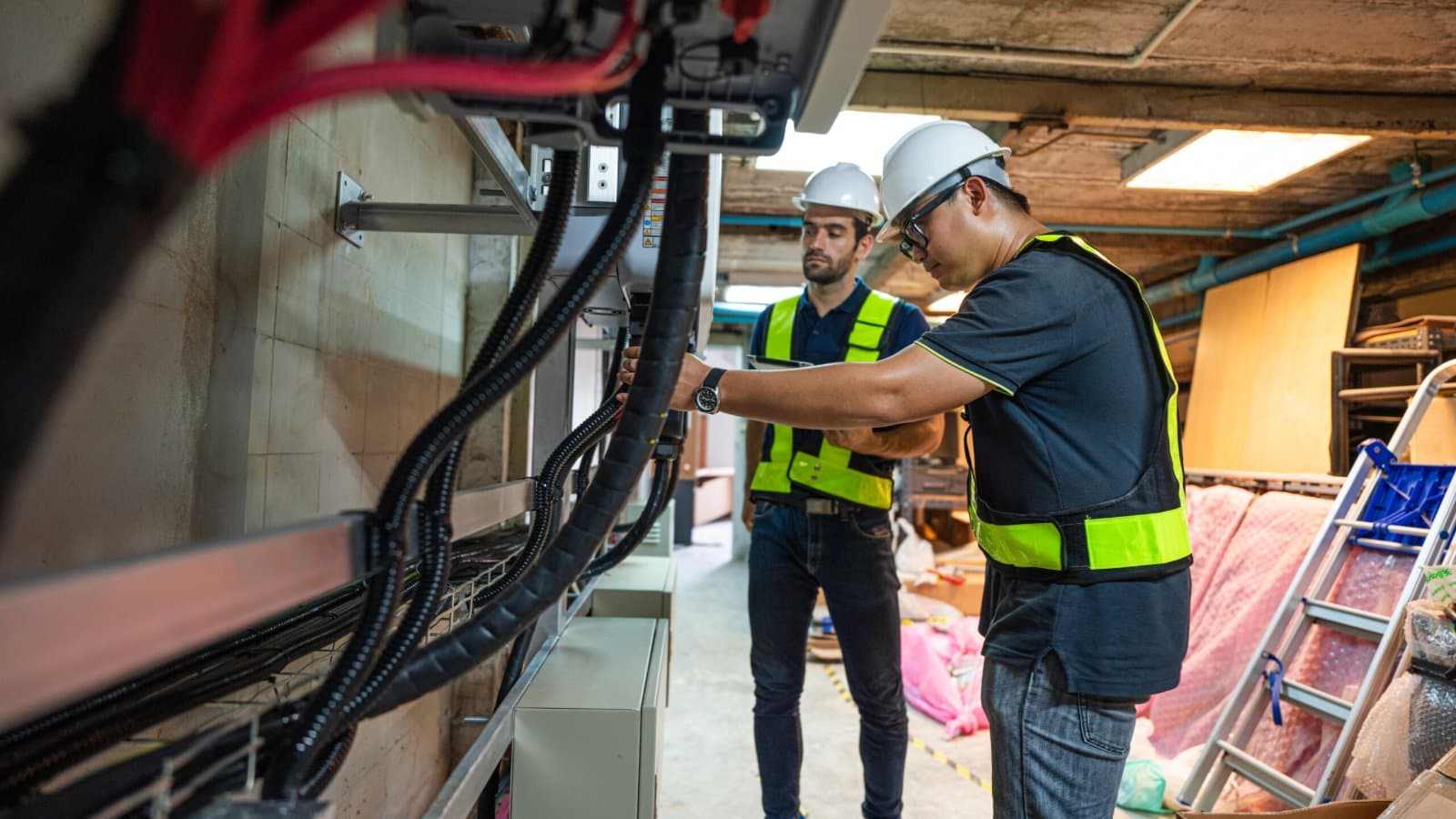


Electrical Repairs in Highlands Ranch: Common Issues and Professional Fixes
Electricity powers nearly every aspect of modern living, from lighting and appliances to home offices and entertainment systems. When electrical components begin to fail, homeowners often notice warning signs such as flickering lights, nonfunctional outlets, tripping breakers, or unusual buzzing sounds. Understanding the causes of these issues and knowing when professional assistance is necessary can help prevent safety hazards, costly damage, and unexpected power disruptions.
For homeowners seeking electrical repairs Highlands Ranch, recognizing common electrical problems and addressing them promptly is essential for maintaining a safe and efficient home.
Why Electrical Problems Are Common in Highlands Ranch Homes
Homes throughout Highlands Ranch vary in age, construction style, and electrical infrastructure. While newer properties may experience issues related to high electrical demand, older homes often face challenges associated with aging wiring, outdated electrical panels, and worn components.
Colorado's climate can also impact electrical systems. Seasonal temperature fluctuations, winter storms, heavy winds, and occasional lightning activity can place additional stress on electrical equipment. Over time, these environmental factors may contribute to circuit failures, damaged outlets, loose connections, and panel wear.
Common Electrical Problems Found in Highlands Ranch Homes
Flickering Lights and Inconsistent Illumination
Flickering lights are among the most common electrical complaints. While a loose bulb may sometimes be the culprit, persistent flickering often indicates a more serious issue within the electrical system.
Common causes include:
Loose wiring connections
Overloaded circuits
Faulty light switches
Aging electrical panels
Voltage fluctuations
Damaged circuit breakers
Ignoring flickering lights can create fire risks, especially if deteriorating wiring is involved. Professional electricians use advanced diagnostic equipment to identify the root cause and restore safe operation.
Homeowners searching for flickering lights repair CO should treat persistent lighting issues as an early warning sign that requires inspection.
Outlet Not Working Properly
An outlet that suddenly stops working can be frustrating and may indicate deeper electrical concerns.
Potential causes include:
Tripped circuit breakers
Tripped GFCI outlets
Loose wire connections
Damaged receptacles
Circuit overloads
Faulty wiring behind walls
Basic Troubleshooting Steps for a Nonworking Outlet
Check whether other outlets in the area have power.
Inspect the electrical panel for a tripped breaker.
Locate nearby GFCI outlets and press the reset button.
Test the outlet using another device.
Avoid opening the outlet cover unless qualified to do so.
If the outlet remains inactive after these steps, professional diagnosis is recommended. Many homeowners searching for solutions to an outlet not working Highlands Ranch issue discover that hidden wiring faults are often responsible.
Frequently Tripping Circuit Breakers
Circuit breakers are designed to protect electrical systems by shutting off power when unsafe conditions occur. Occasional trips may be normal, but repeated tripping usually signals an underlying problem.
Common causes include:
Circuit overloads
Short circuits
Ground faults
Faulty appliances
Aging breakers
Undersized electrical systems
Professional electricians can determine whether the issue stems from a specific appliance, damaged wiring, or a panel that requires upgrading.
Electrical Panel Problems
The electrical panel serves as the central distribution point for power throughout the home. As households continue adding smart devices, EV chargers, home offices, and high efficiency appliances, older panels may struggle to keep pace.
Signs of panel issues include:
Frequent breaker trips
Burning odors near the panel
Warm breaker surfaces
Flickering lights throughout the house
Buzzing sounds
Corrosion or rust
Panel inspections help identify safety concerns before they become major hazards.
Damaged or Aging Wiring
Electrical wiring naturally deteriorates over time. Older homes may contain wiring systems that no longer meet modern electrical demands or current safety standards.
Warning signs of wiring problems include:
Burning smells
Discolored outlets or switches
Sparking when plugging in devices
Frequently blown fuses
Intermittent power loss
Warm walls near outlets
Professional repairs often involve replacing damaged sections of wiring, securing loose connections, and ensuring compliance with current code requirements.
How Colorado Weather Affects Residential Electrical Systems
Highlands Ranch homeowners experience a variety of weather conditions throughout the year. These environmental factors can contribute to electrical system wear and failure.
Winter Conditions
Cold temperatures can cause materials to contract, affecting electrical connections. Snow and ice accumulation may also impact outdoor electrical equipment.
Wind and Storm Activity
Strong winds can damage service lines, outdoor lighting systems, and electrical connections.
Lightning and Power Surges
Electrical storms may introduce power surges that damage sensitive electronics, appliances, and panel components.
Installing whole home surge protection can help reduce the risk of costly damage from unpredictable weather events.
DIY Electrical Repairs vs Professional Electrical Service
Many homeowners are tempted to address electrical issues themselves. While replacing a light bulb or resetting a breaker may be appropriate, more advanced electrical work presents serious risks.
Risks of DIY Electrical Repairs
Electric shock
Fire hazards
Property damage
Voided insurance claims
Code violations
Improper installations
Electrical systems involve complex wiring networks that require specialized training and equipment. Even seemingly simple repairs can become dangerous without proper expertise.
Benefits of Professional Repairs
Licensed electricians provide:
Accurate diagnostics
Safe repair methods
Code compliant installations
Proper permitting when required
Long term reliability
Warranty backed workmanship
Professional repairs help ensure the safety of both the home and its occupants.
Step by Step Electrical Troubleshooting Guide
Step 1: Identify the Symptoms
Determine exactly what is happening.
Examples include:
Lights flickering
Outlets not functioning
Breakers tripping
Burning odors
Partial power loss
Step 2: Check the Electrical Panel
Inspect breakers for visible trips and reset only if safe to do so.
Step 3: Test Nearby Devices
Verify whether the problem affects a single outlet, room, or the entire property.
Step 4: Look for Warning Signs
Watch for:
Heat
Sparks
Smoke
Buzzing sounds
Burn marks
Step 5: Contact a Licensed Electrician
If the issue cannot be safely identified or resolved, professional service should be scheduled immediately.
Many homeowners looking for an electrical repair near me Highlands Ranch service benefit from a comprehensive inspection that identifies both visible and hidden issues.
When to Call an Electrician Immediately
Certain electrical problems require urgent professional attention.
Contact an electrician immediately if you notice:
Burning smells
Smoke from outlets or panels
Sparking outlets
Exposed wiring
Electrical shocks
Repeated breaker trips
Power loss affecting multiple circuits
Water exposure near electrical components
Prompt action can prevent fires, injuries, and extensive property damage.
Understanding Local Electrical Code Requirements
Electrical work in Highlands Ranch must comply with applicable local and national electrical standards. Permits and inspections are often required for significant electrical modifications, panel upgrades, circuit installations, and major rewiring projects.
Professional electricians stay informed about current code requirements and ensure all work meets established safety standards. Compliance not only protects occupants but also supports property value and insurance eligibility.
Typical Electrical Repair Timelines
Repair times vary depending on the complexity of the issue.
Common estimates include:
Outlet replacement: 30 minutes to 1 hour
Switch replacement: 30 minutes to 1 hour
Circuit breaker replacement: 1 to 2 hours
Electrical troubleshooting: 1 to 3 hours
Wiring repairs: Several hours to multiple days
Panel upgrades: 1 to 2 days
An on site inspection provides the most accurate timeline.
Factors That Influence Electrical Repair Costs
Several variables affect repair pricing.
These include:
Type of electrical issue
Accessibility of wiring
Required replacement parts
Labor requirements
Permit needs
Panel condition
Scope of repairs
Investing in quality repairs and premium materials often reduces long term maintenance expenses and improves system reliability.
Preventive Electrical Maintenance Tips
Regular maintenance helps homeowners avoid unexpected electrical failures.
Recommended practices include:
Schedule periodic electrical inspections.
Test GFCI outlets monthly.
Avoid overloading circuits.
Replace damaged cords immediately.
Upgrade outdated electrical panels when necessary.
Install surge protection devices.
Address minor issues before they escalate.
Preventive maintenance extends equipment lifespan and supports safe operation throughout the home.
Why Professional Electrical Repairs Matter
Electrical systems are among the most important safety components within a home. Prompt diagnosis, quality materials, skilled workmanship, and code compliant repairs help protect families from unnecessary risks while ensuring reliable power for everyday living.
Whether addressing flickering lights, inactive outlets, breaker issues, or wiring concerns, professional electricians provide the expertise needed to identify root causes and implement lasting solutions.
Companies such as Parks Electric Co help Highlands Ranch homeowners maintain safe, dependable electrical systems through comprehensive inspection, repair, and maintenance services.
FAQs About Electrical Repairs in Highlands Ranch
What causes lights to flicker in a home?
Flickering lights may result from loose wiring, overloaded circuits, faulty switches, aging electrical panels, or voltage fluctuations.
Why does my circuit breaker keep tripping?
Repeated breaker trips are commonly caused by overloaded circuits, short circuits, ground faults, or failing electrical components.
Can a bad outlet be a fire hazard?
Yes. Damaged outlets, loose connections, and overheating receptacles can increase the risk of electrical fires if not repaired promptly.
How often should an electrical system be inspected?
Most homeowners benefit from a professional inspection every few years, while older homes may require more frequent evaluations.
Is it safe to repair electrical wiring myself?
Electrical wiring repairs should generally be performed by licensed professionals due to the risks of shock, fire, and code violations.
When should an electrical panel be upgraded?
Panel upgrades may be necessary when breakers trip frequently, new appliances increase electrical demand, or the existing panel no longer meets safety standards.
How can I prevent future electrical problems?
Routine inspections, surge protection, proper circuit usage, and timely repairs are among the most effective ways to prevent future electrical issues.