
Spotfund logo
Spotfund logo
Start Fundraising
PricingContact SupportStart Fundraising

Fundraise for

  • Medical Fundraising
  • Emergency Fundraising
  • Memorial Fundraising
  • Education Fundraising
  • Nonprofit Fundraising
  • Animal Fundraising
  • Community Fundraising

Featured topics

  • Easy Fundraising Ideas for Individuals
  • Creative Fundraiser Dinner Ideas
  • Raising Money for Medical Expenses
  • *spotfund for NIL Collective Fundraising
  • Giving Tuesday Fundraising 2025NEW

Trending in

  • Medical
  • Memorial
  • Emergency
  • Nonprofit
  • Family
  • Sports
  • Business

Featured topics

  • *spotfund as a Recurring Donation Solution
  • Matching Gift CampaignsPOPULAR
  • Why Recurring Donations Are Important for Nonprofits
  • How it works
  • Common questions
  • Success stories
  • For brands and nonprofits
  • How do I withdraw money?
  • *spotfund blog
  • Reviews from people like you
  • Compare *spotfund to others

OfficerDown

OfficerDown

Fundraising for

Jared Mccord

Fundraising forJared Mccord
Pamela Eichler

Pamela Eichler

Massachusetts

Jared Mccord
is collaborating on this fundraiser
$615of $5,000 goal
12
Donors
5
Comments
13Share Arrow
Shares
Donation protected
👍 0% fee

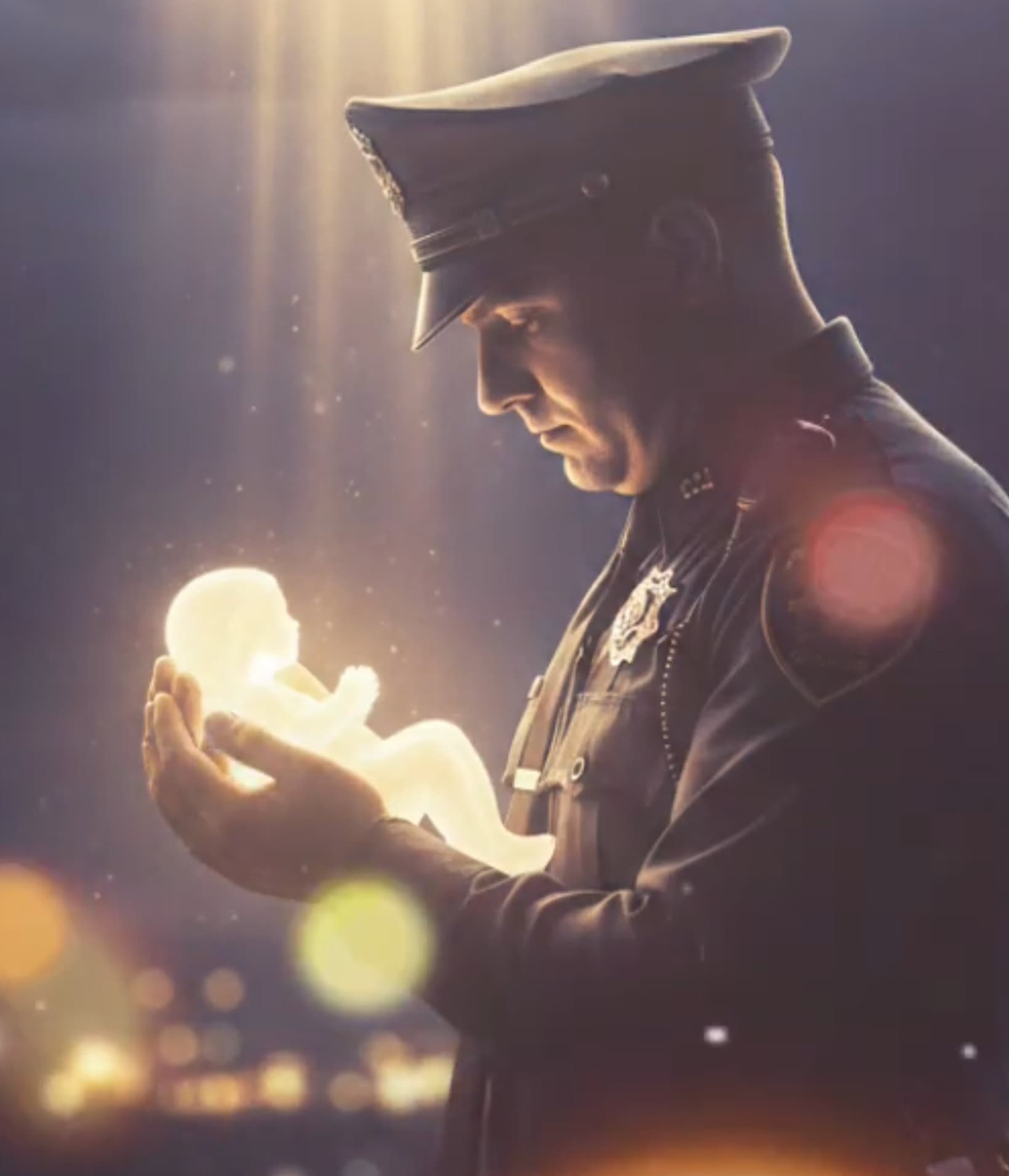
Jared McCord began his career in law enforcement in 1995 with the Oklahoma County Sheriff’s Office.

Over nearly three decades in law enforcement, I was exposed to an extraordinary amount of trauma. This was particularly intensified during the COVID-19 pandemic and the fentanyl crisis, which resulted in numerous overdoses at MBCC. I witnessed scenes no individual should be expected to endure—ranging from the deaths of infants and elderly individuals to acts of sexual assault and extreme violence. Despite the cumulative toll of these experiences, I never sought help.

Eventually, I received two disciplinary write-ups in close succession, which resulted in my demotion to sergeant. While the infractions themselves were minor, my mental state at the time was severely compromised. When you are not thinking clearly, it is often impossible to recognize it. I believed I was functioning normally, yet I was not. My wife later described conversations we shared—sometimes lasting nearly an hour—that I had no memory of whatsoever. According to her, we were both actively engaged, yet my mind retained nothing. I was overwhelmed by work, financial pressures, family responsibilities, and the relentless weight of daily life. I never allowed myself to pause or process any of it. Eventually, everything collapsed at once, and I was forced to confront the reality that I needed help.

After months of intensive therapy, self-reflection, and persistent effort, I began to regain stability. I informed my warden of my desire to return to work with the Oklahoma Department of Corrections. While I was not permitted to return in a uniformed capacity, I was allowed to serve as the Activities Officer at MBCC, though this came with a significant reduction in pay. I accepted this role with the intention of demonstrating—to staff, officers, inmates, and myself—that recovery and purpose are possible when support is sought and accepted.

Throughout my career, I had received numerous commendations, including lifesaving awards and Supervisor of the Year. I believed I understood the meaning of dedication, compassion, and service. It was not until I found myself in need of empathy that I truly understood its depth. Over the past several months, I came to recognize how many of my colleagues may be silently carrying the same burdens I once did, unsure or afraid to acknowledge them.

I was formally diagnosed with Post-Traumatic Stress Disorder, anxiety, and depression. These diagnoses fundamentally changed my perspective. I no longer take time, relationships, or opportunities for granted. I value every moment with my family, friends, and coworkers. I also came to recognize that many of the inmates at MBCC share a similar struggle—they need help but do not know how, or feel unable, to ask for it. I resolved to lead by example, understanding that offering words of support is insufficient without meaningful action.

In 2024, I was honored with the “We Change Lives” award by the Department of Corrections. Four months later, my PTSD symptoms resurfaced, including severe flashbacks, and I was forced to take FMLA leave once again. Two months before I was eligible for retirement, my employment was terminated. As a result, I lost my retirement benefits and pension. After nearly 30 years of service—years spent risking my life in the line of duty—I was left without income or financial security.

I share this story because I know I am not alone. Many in law enforcement and corrections witness the darkest aspects of humanity and carry that weight in silence, believing that strength requires endurance without vulnerability. I once believed that being a man meant being unbreakable. I now understand that it means being human. It is okay to struggle. It is okay to feel anger, sadness, and grief. And it is necessary to ask for help.

If there is one message to take from my experience, it is this: it is okay not to be okay. Asking for help is not weakness—it is survival


And remember this YANA YOUARENEVERALONE 
 
Ginger Isbell

Ginger Isbell

$100 • Recent donation

Lori Burress

Lori Burress

$100 • Top donation

Pam E.

Pam E.

$20 • First donation

Organizer

Pamela Eichler

Pamela Eichler is the organizer of this fundraiser

Beneficiary
Jared Mccord

Support  Jared Mccord  by donating to this fundraiser

OfficerDown
Pamela Eichler

Pamela Eichler

Massachusetts

Jared Mccord
is collaborating on this fundraiser

Fundraising for

Jared Mccord

Fundraising forJared Mccord
Donation protected
👍 0% fee

Jared McCord began his career in law enforcement in 1995 with the Oklahoma County Sheriff’s Office.

Over nearly three decades in law enforcement, I was exposed to an extraordinary amount of trauma. This was particularly intensified during the COVID-19 pandemic and the fentanyl crisis, which resulted in numerous overdoses at MBCC. I witnessed scenes no individual should be expected to endure—ranging from the deaths of infants and elderly individuals to acts of sexual assault and extreme violence. Despite the cumulative toll of these experiences, I never sought help.

Eventually, I received two disciplinary write-ups in close succession, which resulted in my demotion to sergeant. While the infractions themselves were minor, my mental state at the time was severely compromised. When you are not thinking clearly, it is often impossible to recognize it. I believed I was functioning normally, yet I was not. My wife later described conversations we shared—sometimes lasting nearly an hour—that I had no memory of whatsoever. According to her, we were both actively engaged, yet my mind retained nothing. I was overwhelmed by work, financial pressures, family responsibilities, and the relentless weight of daily life. I never allowed myself to pause or process any of it. Eventually, everything collapsed at once, and I was forced to confront the reality that I needed help.

After months of intensive therapy, self-reflection, and persistent effort, I began to regain stability. I informed my warden of my desire to return to work with the Oklahoma Department of Corrections. While I was not permitted to return in a uniformed capacity, I was allowed to serve as the Activities Officer at MBCC, though this came with a significant reduction in pay. I accepted this role with the intention of demonstrating—to staff, officers, inmates, and myself—that recovery and purpose are possible when support is sought and accepted.

Throughout my career, I had received numerous commendations, including lifesaving awards and Supervisor of the Year. I believed I understood the meaning of dedication, compassion, and service. It was not until I found myself in need of empathy that I truly understood its depth. Over the past several months, I came to recognize how many of my colleagues may be silently carrying the same burdens I once did, unsure or afraid to acknowledge them.

I was formally diagnosed with Post-Traumatic Stress Disorder, anxiety, and depression. These diagnoses fundamentally changed my perspective. I no longer take time, relationships, or opportunities for granted. I value every moment with my family, friends, and coworkers. I also came to recognize that many of the inmates at MBCC share a similar struggle—they need help but do not know how, or feel unable, to ask for it. I resolved to lead by example, understanding that offering words of support is insufficient without meaningful action.

In 2024, I was honored with the “We Change Lives” award by the Department of Corrections. Four months later, my PTSD symptoms resurfaced, including severe flashbacks, and I was forced to take FMLA leave once again. Two months before I was eligible for retirement, my employment was terminated. As a result, I lost my retirement benefits and pension. After nearly 30 years of service—years spent risking my life in the line of duty—I was left without income or financial security.

I share this story because I know I am not alone. Many in law enforcement and corrections witness the darkest aspects of humanity and carry that weight in silence, believing that strength requires endurance without vulnerability. I once believed that being a man meant being unbreakable. I now understand that it means being human. It is okay to struggle. It is okay to feel anger, sadness, and grief. And it is necessary to ask for help.

If there is one message to take from my experience, it is this: it is okay not to be okay. Asking for help is not weakness—it is survival

And remember this YANA YOUARENEVERALONE 
 

Organizer

Pamela Eichler

Pamela Eichler is the organizer of this fundraiser

Beneficiary
Jared Mccord

Support  Jared Mccord  by donating to this fundraiser

$615of $5,000 goal
12Donors
5Comments
13Share ArrowShares
Ginger Isbell

Ginger Isbell

$100 • Recent donation

Lori Burress

Lori Burress

$100 • Top donation

Pam E.

Pam E.

$20 • First donation

★★★★★ Trustpilot Reviews

Ready to start?

Join the thousands like you finding help on *spotfund.

Start FundraisingHow it works
Spotfund Balloons