

Proposal: Using Keyhole Gardens to Address Food Insecurity in Sudan
1. Executive Summary
Sudan is currently facing a severe food crisis caused by conflict, displacement, climate change, and limited access to agricultural resources. This proposal recommends the implementation of Keyhole Gardens as a sustainable, low-cost, and community-led solution to improve food security. Keyhole gardens are water-efficient, require minimal land, and can be built using locally available materials, making them ideal for vulnerable communities, refugee camps, and urban households in Sudan.
2. Background: Food Crisis in Sudan
Sudan has experienced:
- Widespread displacement due to conflict
- Rising food prices and limited market access
- Water scarcity and land degradation
- Reduced agricultural productivity
Many families rely on food aid, which is often inconsistent due to insecurity and funding gaps. A sustainable, local food production method is urgently needed to complement emergency aid.
3. What Is a Keyhole Garden?
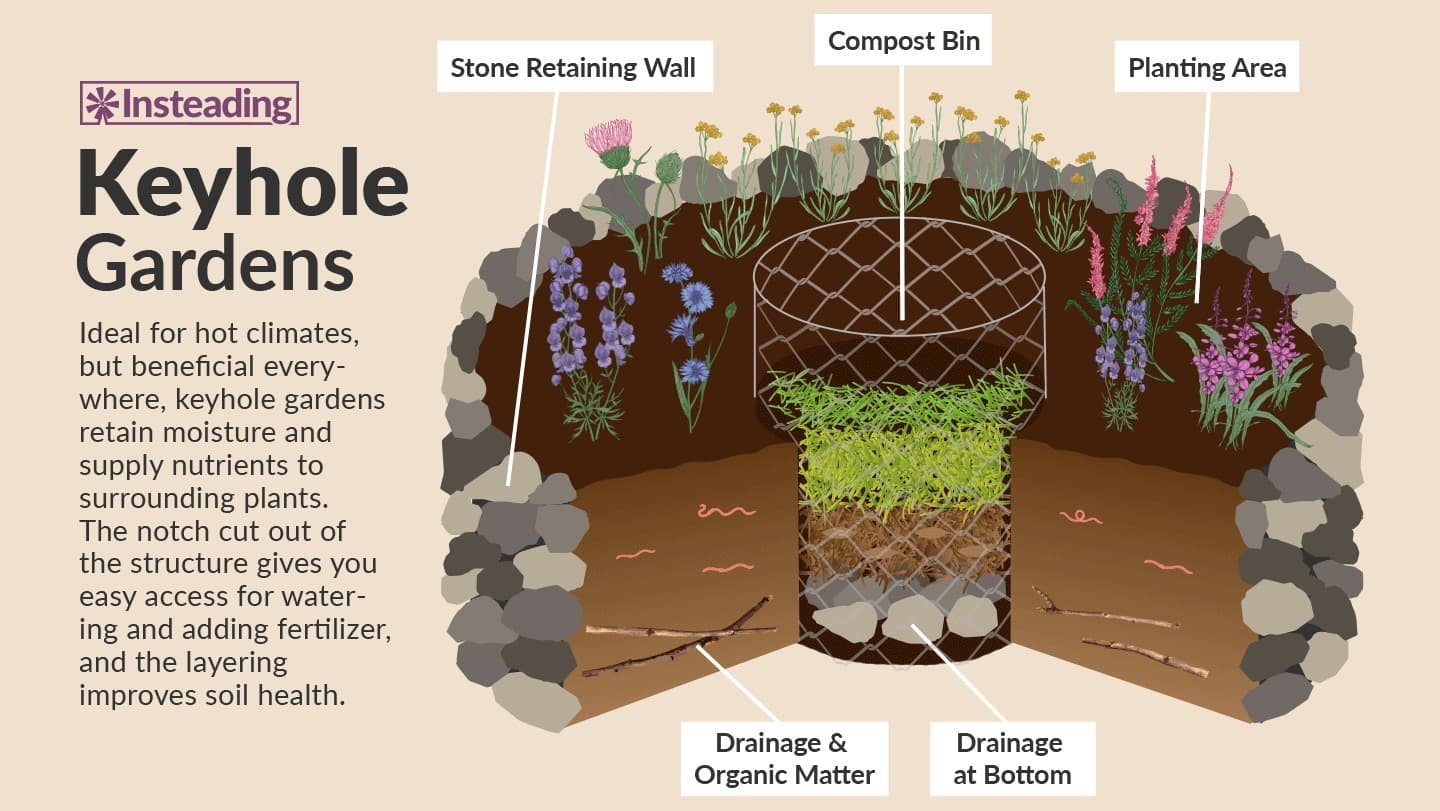
A Keyhole Garden is a circular raised garden bed with:
- A small “keyhole” path for easy access
- A central compost basket for organic waste
- Layered soil that retains moisture and nutrients
Key Benefits:
- Uses up to 70% less water than traditional gardens
- Produces food year-round
- Can be built on poor or rocky soil
- Uses household food waste for compost
- Accessible for elderly, injured, or displaced individuals
4. Project Goals and Objectives
Overall Goal:
To improve household-level food security in Sudan through sustainable, climate-resilient gardening.
Specific Objectives:
- Enable families to grow nutritious vegetables locally
- Reduce dependence on food aid
- Promote sustainable water and waste management
- Build long-term agricultural skills within communities
5. Target Population
- Internally Displaced Persons (IDPs)
- Refugee and host communities
- Women-led households
- Urban and peri-urban families with limited land
Initial pilot: 100 households in a selected community.
6. Implementation Plan
Phase 1: Community Engagement (Month 1)
- Partner with local leaders and NGOs
- Select households and garden sites
- Conduct awareness sessions on nutrition and sustainability
Phase 2: Training & Construction (Months 2–3)
- Hands-on workshops on building keyhole gardens
- Use local materials: stones, bricks, soil, ash, compost
- Provide starter seeds (okra, spinach, onions, tomatoes)
Phase 3: Planting & Maintenance (Months 3–12)
- Ongoing support from trained community facilitators
- Education on composting and water conservation
- Peer-to-peer knowledge sharing
7. Sustainability Strategy
This project is designed to be self-sustaining by:
- Using locally available materials
- Relying on household organic waste for compost
- Training community members as garden leaders
- Encouraging seed saving for future planting cycles
Once established, gardens can continue producing food with minimal external support.
8. Expected Outcomes
- Improved access to fresh, nutritious food
- Reduced household food expenses
- Increased community resilience to food shortages
- Empowerment of women and youth
- Improved environmental practices
9. Monitoring and Evaluation
Success will be measured by:
- Number of functional gardens after 6 and 12 months
- Quantity and variety of food produced
- Household dietary diversity
- Community feedback and participation levels
10. Estimated Budget (Pilot Project – 100 Gardens)
|
Item |
Estimated Cost (USD) |
|
Training workshops |
$2,000 |
|
Tools & materials |
$3,000 |
|
Seeds & compost support |
$1,500 |
|
Local facilitators |
$2,000 |
|
Monitoring & evaluation |
$1,000 |
|
Total |
$9,500 |
(Costs may vary based on location and partnerships.)
11. Conclusion
Keyhole gardens offer a practical, scalable, and environmentally sustainable solution to Sudan’s food crisis. By empowering communities to grow their own food, this project reduces reliance on external aid while strengthening resilience, nutrition, and dignity.