
Spotfund logo
Spotfund logo
Start Fundraising
PricingContact SupportStart Fundraising

Fundraise for

  • Medical Fundraising
  • Emergency Fundraising
  • Memorial Fundraising
  • Education Fundraising
  • Nonprofit Fundraising
  • Animal Fundraising
  • Community Fundraising

Featured topics

  • Easy Fundraising Ideas for Individuals
  • Creative Fundraiser Dinner Ideas
  • Raising Money for Medical Expenses
  • *spotfund for NIL Collective Fundraising
  • Giving Tuesday Fundraising 2025NEW

Trending in

  • Medical
  • Memorial
  • Emergency
  • Nonprofit
  • Family
  • Sports
  • Business

Featured topics

  • *spotfund as a Recurring Donation Solution
  • Matching Gift CampaignsPOPULAR
  • Why Recurring Donations Are Important for Nonprofits
  • How it works
  • Common questions
  • Success stories
  • For brands and nonprofits
  • How do I withdraw money?
  • *spotfund blog
  • Reviews from people like you
  • Compare *spotfund to others

Blogs01

Blogs01

Fundraising for

Multicultural Kid Blogs

Fundraising forMulticultural Kid Blogs
Tim blog

Tim blog

$0of $44 goal
0
Donors
0
Comments
0Share Arrow
Shares
Donation protected
👍 0% fee
Donations are tax-deductible

Digital Face Analysis: How AI Evaluates Facial Structure and Attractiveness

In today’s technology-driven world, artificial intelligence is influencing how people understand beauty, grooming, and self-presentation. “Pretty scale”. One of the most innovative developments in this space is digital face analysis—technology that examines facial structure and evaluates physical features using computer vision and machine learning. These systems are widely used in beauty applications, cosmetic consultations, social media filters, and fashion platforms. By analyzing proportions, symmetry, and facial geometry, digital face analysis provides insights that were once available only through professional consultation.

This article explores what digital face analysis is, how it works, who uses it, and how it helps people in everyday life.

What Is Digital Face Analysis?

Digital face analysis refers to AI-powered technology that scans and studies human facial features through images or live camera input. The system evaluates structural elements such as face length, width, feature placement, and overall balance. It may also assess skin texture and visual harmony between facial components detect face shape.

The purpose of this technology is not limited to beauty scoring. It is also used to understand facial proportions, recommend styling options, and assist professionals in fields like cosmetology and dermatology. By turning facial features into measurable data, digital analysis creates a structured way to evaluate appearance.

How the Technology Works

Digital face analysis relies on computer vision, a branch of AI that enables machines to interpret visual information. The process begins when a user uploads a photograph or activates a live camera. For accurate results, the face typically needs to be front-facing, well-lit, and unobstructed by hair or accessories.

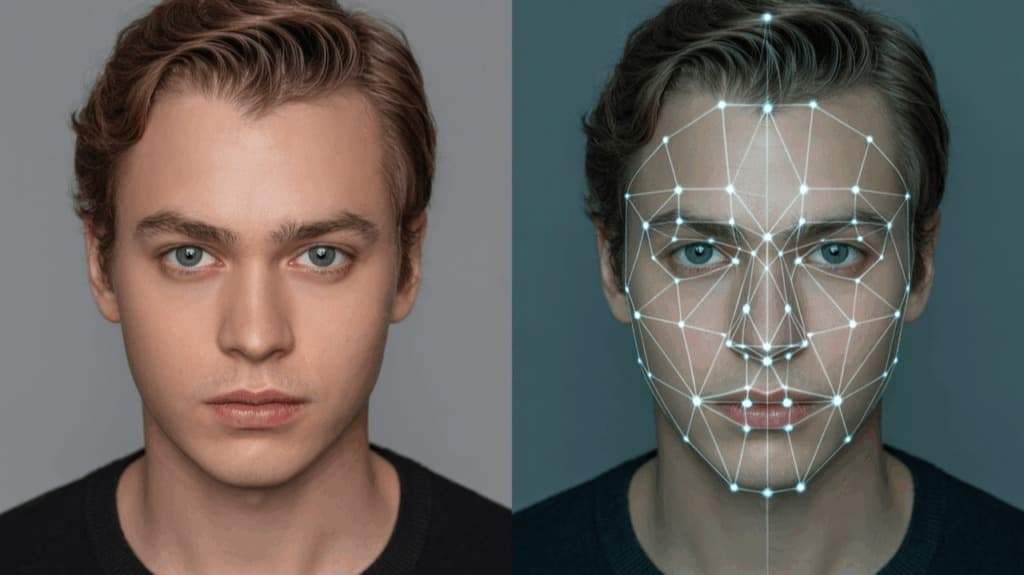
Once the image is captured, the system detects the face within the frame. Advanced detection models isolate the face from the background, ensuring that only relevant visual data is analyzed. After detection, the software maps facial landmarks—specific reference points such as the corners of the eyes, the tip of the nose, the edges of the jawline, and the center of the lips.

These landmarks allow the system to build a geometric framework of the face. Using this framework, the AI measures distances and ratios between features. For example, it compares face length to width, evaluates cheekbone prominence, and analyzes jawline angles. These measurements help determine structural patterns and proportional balance.

Symmetry and Proportion Analysis

One of the most important elements in digital facial evaluation is symmetry. The system divides the face into left and right halves and compares how closely they align. Even minor differences in eye level, nose positioning, or lip curvature are detected through pixel and landmark comparison.

In addition to symmetry, proportion modeling plays a key role. Many systems apply classical aesthetic formulas such as the Golden Ratio, a mathematical proportion historically associated with visual harmony. By comparing facial measurements to these ratios, the AI estimates how balanced or harmonious a face appears according to programmed standards.

While these calculations are mathematical, perceptions of beauty remain subjective and culturally influenced.

Skin and Texture Evaluation

Some digital face analysis platforms extend beyond structure to examine skin quality. Using high-resolution imaging and texture recognition, the system can detect visible conditions such as blemishes, wrinkles, dark spots, and pore size.

This function is especially valuable in skincare and dermatology applications. It allows users and professionals to monitor skin changes over time, evaluate treatment progress, and receive product or routine recommendations tailored to individual needs.

Who Uses Digital Face Analysis?

Digital face analysis is utilized by a wide range of industries and individuals. Beauty professionals frequently rely on facial mapping to guide makeup application. By understanding a client’s facial proportions, makeup artists can recommend contouring techniques, highlight placement, and eyebrow shaping that enhance natural features.

Hair stylists and barbers also benefit from facial analysis. Face structure influences how hairstyles frame the head. For instance, layered cuts may soften angular faces, while added volume can balance longer face shapes. Grooming decisions such as beard sculpting are often guided by jawline geometry revealed through analysis.

Fashion and eyewear retailers use similar technology in virtual try-on systems. Customers shopping online can preview how glasses, hats, or jewelry will look on their faces. This not only improves the shopping experience but also reduces product returns.

Medical aesthetics professionals—including cosmetic surgeons and dermatologists—use facial analysis for consultation and treatment planning. By measuring proportions and simulating adjustments, they can visualize outcomes for procedures such as rhinoplasty, fillers, or jawline contouring.

Social media users represent another large user group. Many engage with face analysis tools for entertainment, curiosity, or content creation through beauty filters and facial transformations.

How It Helps People

Digital face analysis offers several practical benefits. One of the most significant is personalized styling guidance. Instead of relying on generic beauty advice, users receive recommendations tailored to their specific facial structure. This helps in choosing hairstyles, makeup techniques, and accessories that complement natural proportions.

The technology also improves online shopping decisions. Virtual previews allow users to test products digitally before purchasing, increasing confidence in buying choices. For retailers, this enhances customer satisfaction and reduces return rates.

Another benefit lies in professional consultations. Beauty experts and medical practitioners can use facial data to explain recommendations visually and analytically. This builds trust and helps clients understand the reasoning behind suggested treatments or styles.

For individuals, the technology can increase self-awareness. By learning about facial proportions and skin conditions, users can adopt more effective grooming and skincare routines.

Accuracy and Limitations

Despite its sophistication, digital face analysis is not flawless. Image quality plays a major role in accuracy. Poor lighting, low-resolution cameras, or tilted angles can distort measurements. Facial expressions such as smiling or frowning may also alter structural readings.

Camera lens distortion is another factor. Wide-angle lenses, common in smartphones, can exaggerate certain features like the nose or forehead, affecting proportional analysis.

Algorithmic bias remains̉mat also exists. If AI models are trained on limited demographic datasets, results may not represent global facial diversity. This can influence both structural classification and attractiveness estimations.

Privacy and Ethical Considerations

Because facial data is biometric, privacy is a critical concern. Uploaded images may be stored, analyzed, or shared depending on the platform’s policies. Users should always review data protection terms before using such tools.

Ethically, attractiveness scoring systems can influence self-esteem and reinforce narrow beauty standards. While structural analysis is neutral, beauty ratings are shaped by cultural and dataset biases. Responsible development and mindful usage are essential to minimize psychological harm.

The Role of AI and Machine Learning

Artificial intelligence is the backbone of digital face analysis. Deep learning models—particularly convolutional neural networks—are trained on millions of facial images to recognize patterns and landmarks with high precision.

These systems enable real-time tracking for augmented reality filters, 3D facial modeling for medical use, and even aging simulations. As datasets grow more diverse and algorithms more refined, accuracy and inclusivity continue to improve.

Future Developments

The future of digital face analysis is expanding rapidly. Emerging technologies include 3D depth scanning, which captures facial structure with greater precision than 2D images. Smart mirrors may soon provide live grooming advice while users apply makeup or style their hair.

Integration with virtual reality and metaverse platforms is also underway, allowing users to create hyper-realistic avatars based on facial scans. In healthcare, researchers are exploring how facial analysis might assist in detecting genetic conditions or nutritional deficiencies.

Conclusion

Digital face analysis represents a powerful intersection of technology, beauty, and data science. By mapping facial landmarks, measuring proportions, and evaluating symmetry, AI systems provide detailed insights into facial structure and visual harmony. These tools serve industries ranging from beauty and fashion to medicine and e-commerce, while also offering individuals personalized guidance in styling and self-care.

Although limitations and ethical concerns remain, continued advancements in AI promise more accurate, inclusive, and responsible applications. As technology evolves, digital face analysis is poised to become an integral part of how people understand and enhance their appearance in the modern world.

 

Smiley Face

Be the first to donate and pin
your name here   📌

Organizer

Tim blog

Show your support to Tim blog by donating to this fundraiser benefiting Multicultural Kid Blogs

Blogs01
Tim blog

Tim blog

Fundraising for

Multicultural Kid Blogs

Fundraising forMulticultural Kid Blogs
Donation protected
👍 0% fee
Donations are tax-deductible

Digital Face Analysis: How AI Evaluates Facial Structure and Attractiveness

In today’s technology-driven world, artificial intelligence is influencing how people understand beauty, grooming, and self-presentation. “Pretty scale”. One of the most innovative developments in this space is digital face analysis—technology that examines facial structure and evaluates physical features using computer vision and machine learning. These systems are widely used in beauty applications, cosmetic consultations, social media filters, and fashion platforms. By analyzing proportions, symmetry, and facial geometry, digital face analysis provides insights that were once available only through professional consultation.

This article explores what digital face analysis is, how it works, who uses it, and how it helps people in everyday life.

What Is Digital Face Analysis?

Digital face analysis refers to AI-powered technology that scans and studies human facial features through images or live camera input. The system evaluates structural elements such as face length, width, feature placement, and overall balance. It may also assess skin texture and visual harmony between facial components detect face shape.

The purpose of this technology is not limited to beauty scoring. It is also used to understand facial proportions, recommend styling options, and assist professionals in fields like cosmetology and dermatology. By turning facial features into measurable data, digital analysis creates a structured way to evaluate appearance.

How the Technology Works

Digital face analysis relies on computer vision, a branch of AI that enables machines to interpret visual information. The process begins when a user uploads a photograph or activates a live camera. For accurate results, the face typically needs to be front-facing, well-lit, and unobstructed by hair or accessories.

Once the image is captured, the system detects the face within the frame. Advanced detection models isolate the face from the background, ensuring that only relevant visual data is analyzed. After detection, the software maps facial landmarks—specific reference points such as the corners of the eyes, the tip of the nose, the edges of the jawline, and the center of the lips.

These landmarks allow the system to build a geometric framework of the face. Using this framework, the AI measures distances and ratios between features. For example, it compares face length to width, evaluates cheekbone prominence, and analyzes jawline angles. These measurements help determine structural patterns and proportional balance.

Symmetry and Proportion Analysis

One of the most important elements in digital facial evaluation is symmetry. The system divides the face into left and right halves and compares how closely they align. Even minor differences in eye level, nose positioning, or lip curvature are detected through pixel and landmark comparison.

In addition to symmetry, proportion modeling plays a key role. Many systems apply classical aesthetic formulas such as the Golden Ratio, a mathematical proportion historically associated with visual harmony. By comparing facial measurements to these ratios, the AI estimates how balanced or harmonious a face appears according to programmed standards.

While these calculations are mathematical, perceptions of beauty remain subjective and culturally influenced.

Skin and Texture Evaluation

Some digital face analysis platforms extend beyond structure to examine skin quality. Using high-resolution imaging and texture recognition, the system can detect visible conditions such as blemishes, wrinkles, dark spots, and pore size.

This function is especially valuable in skincare and dermatology applications. It allows users and professionals to monitor skin changes over time, evaluate treatment progress, and receive product or routine recommendations tailored to individual needs.

Who Uses Digital Face Analysis?

Digital face analysis is utilized by a wide range of industries and individuals. Beauty professionals frequently rely on facial mapping to guide makeup application. By understanding a client’s facial proportions, makeup artists can recommend contouring techniques, highlight placement, and eyebrow shaping that enhance natural features.

Hair stylists and barbers also benefit from facial analysis. Face structure influences how hairstyles frame the head. For instance, layered cuts may soften angular faces, while added volume can balance longer face shapes. Grooming decisions such as beard sculpting are often guided by jawline geometry revealed through analysis.

Fashion and eyewear retailers use similar technology in virtual try-on systems. Customers shopping online can preview how glasses, hats, or jewelry will look on their faces. This not only improves the shopping experience but also reduces product returns.

Medical aesthetics professionals—including cosmetic surgeons and dermatologists—use facial analysis for consultation and treatment planning. By measuring proportions and simulating adjustments, they can visualize outcomes for procedures such as rhinoplasty, fillers, or jawline contouring.

Social media users represent another large user group. Many engage with face analysis tools for entertainment, curiosity, or content creation through beauty filters and facial transformations.

How It Helps People

Digital face analysis offers several practical benefits. One of the most significant is personalized styling guidance. Instead of relying on generic beauty advice, users receive recommendations tailored to their specific facial structure. This helps in choosing hairstyles, makeup techniques, and accessories that complement natural proportions.

The technology also improves online shopping decisions. Virtual previews allow users to test products digitally before purchasing, increasing confidence in buying choices. For retailers, this enhances customer satisfaction and reduces return rates.

Another benefit lies in professional consultations. Beauty experts and medical practitioners can use facial data to explain recommendations visually and analytically. This builds trust and helps clients understand the reasoning behind suggested treatments or styles.

For individuals, the technology can increase self-awareness. By learning about facial proportions and skin conditions, users can adopt more effective grooming and skincare routines.

Accuracy and Limitations

Despite its sophistication, digital face analysis is not flawless. Image quality plays a major role in accuracy. Poor lighting, low-resolution cameras, or tilted angles can distort measurements. Facial expressions such as smiling or frowning may also alter structural readings.

Camera lens distortion is another factor. Wide-angle lenses, common in smartphones, can exaggerate certain features like the nose or forehead, affecting proportional analysis.

Algorithmic bias remains̉mat also exists. If AI models are trained on limited demographic datasets, results may not represent global facial diversity. This can influence both structural classification and attractiveness estimations.

Privacy and Ethical Considerations

Because facial data is biometric, privacy is a critical concern. Uploaded images may be stored, analyzed, or shared depending on the platform’s policies. Users should always review data protection terms before using such tools.

Ethically, attractiveness scoring systems can influence self-esteem and reinforce narrow beauty standards. While structural analysis is neutral, beauty ratings are shaped by cultural and dataset biases. Responsible development and mindful usage are essential to minimize psychological harm.

The Role of AI and Machine Learning

Artificial intelligence is the backbone of digital face analysis. Deep learning models—particularly convolutional neural networks—are trained on millions of facial images to recognize patterns and landmarks with high precision.

These systems enable real-time tracking for augmented reality filters, 3D facial modeling for medical use, and even aging simulations. As datasets grow more diverse and algorithms more refined, accuracy and inclusivity continue to improve.

Future Developments

The future of digital face analysis is expanding rapidly. Emerging technologies include 3D depth scanning, which captures facial structure with greater precision than 2D images. Smart mirrors may soon provide live grooming advice while users apply makeup or style their hair.

Integration with virtual reality and metaverse platforms is also underway, allowing users to create hyper-realistic avatars based on facial scans. In healthcare, researchers are exploring how facial analysis might assist in detecting genetic conditions or nutritional deficiencies.

Conclusion

Digital face analysis represents a powerful intersection of technology, beauty, and data science. By mapping facial landmarks, measuring proportions, and evaluating symmetry, AI systems provide detailed insights into facial structure and visual harmony. These tools serve industries ranging from beauty and fashion to medicine and e-commerce, while also offering individuals personalized guidance in styling and self-care.

Although limitations and ethical concerns remain, continued advancements in AI promise more accurate, inclusive, and responsible applications. As technology evolves, digital face analysis is poised to become an integral part of how people understand and enhance their appearance in the modern world.

 

Organizer

Tim blog

Show your support to Tim blog by donating to this fundraiser benefiting Multicultural Kid Blogs

$0of $44 goal
0Donors
0Comments
0Share ArrowShares
Smiley Face

Be the first to donate and pin
your name here   📌

★★★★★ Trustpilot Reviews

Ready to start?

Join the thousands like you finding help on *spotfund.

Start FundraisingHow it works
Spotfund Balloons