Spotfund logo
Spotfund logo
Start Fundraising
PricingHelp & SupportStart Fundraising

Fundraise for

  • Medical Fundraising
  • Emergency Fundraising
  • Memorial Fundraising
  • Education Fundraising
  • Nonprofit Fundraising
  • Animal Fundraising
  • Community Fundraising

Featured topics

  • Fundraising for Youth Sports and School AthleticsNEW
  • Easy Fundraising Ideas for Individuals
  • Raising Money for Medical Expenses
  • *spotfund for NIL Collective Fundraising
  • Giving Tuesday Fundraising 2026HOT

Trending in

  • Medical
  • Memorial
  • Emergency
  • Nonprofit
  • Family
  • Sports
  • Business

Featured topics

  • *spotfund as a Recurring Donation Solution
  • Matching Gift CampaignsPOPULAR
  • Why Recurring Donations Are Important for Nonprofits
  • Donating to Youth Sports and School Athletics TeamsNEW
  • How it works
  • Common questions
  • Success stories
  • For brands and nonprofits
  • How do I withdraw money?
  • *spotfund blog
  • Reviews from people like you
  • Compare *spotfund to others

The Journey Across The United States P2 With Milo Mobility

The Journey Across The United States P2 With Milo Mobility

Fundraising for

Alyssa & Alyssa Best

Fundraising forAlyssa & Alyssa Best
Alyssa Best

Alyssa Best

Bryans Road, Maryland

$0of $25,000 goal
0
Donors
0
Comments
1Share Arrow
Shares
Donation protected
👍 0% fee

Milo Mobility's Journey Across America Part II

We started with an idea. Now we're completing our mission.

My name is Alyssa-Ella Best, and in partnership with my sister Aleya Best, we are the founders of Milo Mobility. Last year, my sister and I began what we called our Daring Journey Across the United States.

At 20 & 22 we are the first Black women in the world building and patenting technology in the micro-mobility sector. We set out with an idea, a vision, and a willingness to go wherever we needed to go to turn that vision into something real. That journey accelerated Milo Mobility.

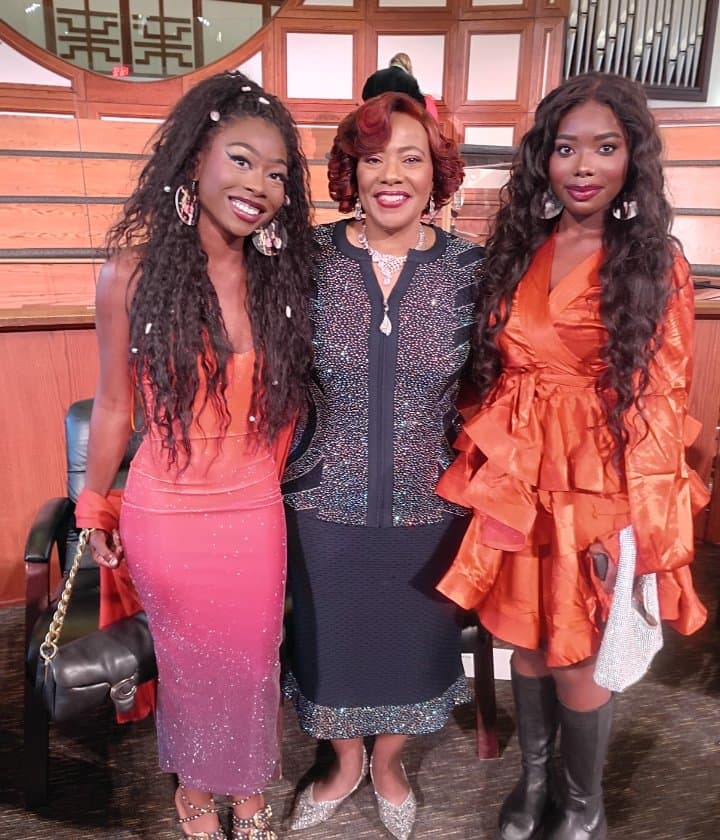
Along the way, we have developed provisional patents and technology that will very well help run the world in the future. We built relationships with people we never imagined we would meet. We had the honor of speaking about change with Dr. Bernice King and Ndaba Mandela. Our science was reviewed and verified by Sir Stephen Holgate, one of the United Kingdom's leading health physicians who enacted Ella's Law, and we received our first investment.

When we look back, the most important thing we gained wasn't the investment. It wasn't meeting super awesome people. It was realizing how many people we inspired by being ourselves and trusting ourselves.

We left from Maryland with nothing, not even a suitcase. Just the laptop, my car, and a plan to want more for ourselves and our community. We started off in Florida developing shore restoration research to create routes that won't affect low income shorelines in the future. From there, we ventured across 38 states by car to reach the magical San Francisco taking meetings at Starbucks and gas stations off interstate 10 .

We came back with a lifetime of knowledge, especially lessons in endurance, strength, resilience, and faith. Along the way, we realized that we weren't just building a company. We were learning how to see problems from multiple perspectives, how to be curious, and how to keep digging. Not to pitch a product but to build and develop real solutions. When we initially built Milo, our mission was simple. We wanted to fill the gaps we saw in our own community.

Being raised in a small town, we could only see the gaps that existed directly in front of us. So initially, we built a small solution for our small town, and our county loved it. Traveling across the United States opened our eyes to something much bigger. We began seeing how transportation, energy, environmental health, public health, and infrastructure were all connected. We noticed that major problems couldn't be solved by looking at just one industry. And we started asking ourselves what if our technology could do more than solve one problem?

Over the past year, we spent countless hours tracking energy data, power consumption, infrastructure, and how much energy it takes to keep a community functioning while developing Milo. By December 2025, we were already raising concerns about what we were seeing. At the time, some people dismissed what we were warning about, but we kept watching. We kept studying. We kept tracking. And now, we're watching communities experience the very vulnerabilities we were studying.

Gary, Indiana has been without power going on three weeks without any assistance. The story has received limited media attention, with much of the visibility coming directly from people in the local community sharing what they are experiencing via TikTok. For us, this changes the question. We don't want to just talk about what is happening. We want to go where the need is greatest and do something about it.

As we begin Milo's Journey Across the United States Part II, we want to travel into communities, experience these challenges firsthand, and deploy what we've built. We don't need to convince VCs our technology is a necessity. We need to go out and prove it.

We want one of the first communities to be Gary, Indiana. We want to bring portable battery power into the community and help provide an immediate source of energy to people who need it. Because we are not just innovators. We are not just business owners. We are not just CEOs. Most importantly, we are human beings and members of our community. Being an innovator means very little if you aren't willing to use what you've learned and what you've been gifted with to help the people around you.

Another question started weighing heavily on me.

Over the past two months, I've kept thinking about what everyone has been telling us to do. Commercialize. Build the company. Raise the money. Sell the product. Scale. Yes, we want to build a truly successful company. But the more we traveled, the more something became clear. People are the reason any of it matters. People are what truly make the world go round. So I started asking myself a different question. How could I make transportation free? Not cheaper. Not more accessible to some people. Not depending on grants that are disappearing every day.

Truly free.

Transportation is one of the invisible costs that can determine whether someone can get to work, get to school, get to the grocery store, get to a doctor's appointment, or simply get home after a long night.

And over the past three weeks, we believe we developed an answer. We have built the next generation of urban transportation. Milo Mobility has developed a completely off grid urban transportation loop.

We realized that if we truly wanted to change transportation, we couldn't build another transportation company dependent on the same systems that create many of the barriers we're trying to solve.

Traditional transportation infrastructure is heavily dependent on the electrical grid. It is also dependent on financial systems and treasuries that determine how infrastructure is funded, maintained, and expanded.

So we began building differently. Thinking differently. We built toward a transportation system designed to accelerate riders into the future instead of taking resources from the present. Our vision is an off grid urban transportation loop capable of deploying in any city, any county, any municipality.

The technology we've developed brings several pieces together. Public private charging stations that create distributed charging infrastructure where people actually need it. Milo Mobility proprietary e bikes and e scooters designed specifically to operate within the Milo transportation network. And treasury independent payment infrastructure designed to create an alternative economic layer for transportation, reducing the network's dependence on traditional treasury structures to determine who can access mobility.

Together, these technologies become something bigger than a scooter company.

They become an urban transportation loop .A system built around the belief that transportation should be an infrastructure of opportunity, not another barrier to it. Because the system is designed around distributed infrastructure rather than one centralized point of dependence, our goal and main priority is to create a transportation network capable of continuing to serve people as the systems around it change.

We aren't trying to take from the now. We're trying to accelerate people, and build into the future.

And that is where Milo is building. If there's people, there's Milo, because Milo will always get the people where they need to go. This journey is different. The first Journey Across America was about discovering what we were capable of as founders and technology innovators. This journey is about putting everything we learned to work. We want to travel to communities. We want to listen. We want to build. We want to respond. We want to take the technology we've spent the past year and a half developing and put it where it can make a difference.

Innovation isn't about creating something nobody has ever seen before. Innovation is recognizing what could help people right now and having the courage to show up. We started this journey with an idea.

Along the way, we developed patents, technology, relationships, secured investment, and most importantly, built an entire company from scratch. But now we understand something much bigger. Milo was never just about building a company. It was about building for people, and that's why we're asking you to come with us on our journey.

We need your help your contribution can help us get back on the road. It can help us reach communities experiencing these challenges. It can help us bring portable power to Gary, Indiana, where it is needed. It can help us continue developing the Milo transportation loop. Milo will publicly document what we discover along the way.

We don't know exactly where every road will lead. But we know why we're going. We're going into the communities that need us. To the people who inspire us. To face the problems others overlook head on. And toward a future we believe we can build together.

This isn't a fundraiser.

It's an invitation to join us on Milo's Journey Across the United States of America pt. ll

Smiley Face

Be the first to donate and pin
your name here   📌

Organizer

Alyssa Best

Alyssa Best is the organizer of this fundraiser

The Journey Across The United States P2 With Milo Mobility
Alyssa Best

Alyssa Best

Bryans Road, Maryland

Fundraising for

Alyssa & Alyssa Best

Fundraising forAlyssa & Alyssa Best
Donation protected
👍 0% fee

Milo Mobility's Journey Across America Part II

We started with an idea. Now we're completing our mission.

My name is Alyssa-Ella Best, and in partnership with my sister Aleya Best, we are the founders of Milo Mobility. Last year, my sister and I began what we called our Daring Journey Across the United States.

At 20 & 22 we are the first Black women in the world building and patenting technology in the micro-mobility sector. We set out with an idea, a vision, and a willingness to go wherever we needed to go to turn that vision into something real. That journey accelerated Milo Mobility.

Along the way, we have developed provisional patents and technology that will very well help run the world in the future. We built relationships with people we never imagined we would meet. We had the honor of speaking about change with Dr. Bernice King and Ndaba Mandela. Our science was reviewed and verified by Sir Stephen Holgate, one of the United Kingdom's leading health physicians who enacted Ella's Law, and we received our first investment.

When we look back, the most important thing we gained wasn't the investment. It wasn't meeting super awesome people. It was realizing how many people we inspired by being ourselves and trusting ourselves.

We left from Maryland with nothing, not even a suitcase. Just the laptop, my car, and a plan to want more for ourselves and our community. We started off in Florida developing shore restoration research to create routes that won't affect low income shorelines in the future. From there, we ventured across 38 states by car to reach the magical San Francisco taking meetings at Starbucks and gas stations off interstate 10 .

We came back with a lifetime of knowledge, especially lessons in endurance, strength, resilience, and faith. Along the way, we realized that we weren't just building a company. We were learning how to see problems from multiple perspectives, how to be curious, and how to keep digging. Not to pitch a product but to build and develop real solutions. When we initially built Milo, our mission was simple. We wanted to fill the gaps we saw in our own community.

Being raised in a small town, we could only see the gaps that existed directly in front of us. So initially, we built a small solution for our small town, and our county loved it. Traveling across the United States opened our eyes to something much bigger. We began seeing how transportation, energy, environmental health, public health, and infrastructure were all connected. We noticed that major problems couldn't be solved by looking at just one industry. And we started asking ourselves what if our technology could do more than solve one problem?

Over the past year, we spent countless hours tracking energy data, power consumption, infrastructure, and how much energy it takes to keep a community functioning while developing Milo. By December 2025, we were already raising concerns about what we were seeing. At the time, some people dismissed what we were warning about, but we kept watching. We kept studying. We kept tracking. And now, we're watching communities experience the very vulnerabilities we were studying.

Gary, Indiana has been without power going on three weeks without any assistance. The story has received limited media attention, with much of the visibility coming directly from people in the local community sharing what they are experiencing via TikTok. For us, this changes the question. We don't want to just talk about what is happening. We want to go where the need is greatest and do something about it.

As we begin Milo's Journey Across the United States Part II, we want to travel into communities, experience these challenges firsthand, and deploy what we've built. We don't need to convince VCs our technology is a necessity. We need to go out and prove it.

We want one of the first communities to be Gary, Indiana. We want to bring portable battery power into the community and help provide an immediate source of energy to people who need it. Because we are not just innovators. We are not just business owners. We are not just CEOs. Most importantly, we are human beings and members of our community. Being an innovator means very little if you aren't willing to use what you've learned and what you've been gifted with to help the people around you.

Another question started weighing heavily on me.

Over the past two months, I've kept thinking about what everyone has been telling us to do. Commercialize. Build the company. Raise the money. Sell the product. Scale. Yes, we want to build a truly successful company. But the more we traveled, the more something became clear. People are the reason any of it matters. People are what truly make the world go round. So I started asking myself a different question. How could I make transportation free? Not cheaper. Not more accessible to some people. Not depending on grants that are disappearing every day.

Truly free.

Transportation is one of the invisible costs that can determine whether someone can get to work, get to school, get to the grocery store, get to a doctor's appointment, or simply get home after a long night.

And over the past three weeks, we believe we developed an answer. We have built the next generation of urban transportation. Milo Mobility has developed a completely off grid urban transportation loop.

We realized that if we truly wanted to change transportation, we couldn't build another transportation company dependent on the same systems that create many of the barriers we're trying to solve.

Traditional transportation infrastructure is heavily dependent on the electrical grid. It is also dependent on financial systems and treasuries that determine how infrastructure is funded, maintained, and expanded.

So we began building differently. Thinking differently. We built toward a transportation system designed to accelerate riders into the future instead of taking resources from the present. Our vision is an off grid urban transportation loop capable of deploying in any city, any county, any municipality.

The technology we've developed brings several pieces together. Public private charging stations that create distributed charging infrastructure where people actually need it. Milo Mobility proprietary e bikes and e scooters designed specifically to operate within the Milo transportation network. And treasury independent payment infrastructure designed to create an alternative economic layer for transportation, reducing the network's dependence on traditional treasury structures to determine who can access mobility.

Together, these technologies become something bigger than a scooter company.

They become an urban transportation loop .A system built around the belief that transportation should be an infrastructure of opportunity, not another barrier to it. Because the system is designed around distributed infrastructure rather than one centralized point of dependence, our goal and main priority is to create a transportation network capable of continuing to serve people as the systems around it change.

We aren't trying to take from the now. We're trying to accelerate people, and build into the future.

And that is where Milo is building. If there's people, there's Milo, because Milo will always get the people where they need to go. This journey is different. The first Journey Across America was about discovering what we were capable of as founders and technology innovators. This journey is about putting everything we learned to work. We want to travel to communities. We want to listen. We want to build. We want to respond. We want to take the technology we've spent the past year and a half developing and put it where it can make a difference.

Innovation isn't about creating something nobody has ever seen before. Innovation is recognizing what could help people right now and having the courage to show up. We started this journey with an idea.

Along the way, we developed patents, technology, relationships, secured investment, and most importantly, built an entire company from scratch. But now we understand something much bigger. Milo was never just about building a company. It was about building for people, and that's why we're asking you to come with us on our journey.

We need your help your contribution can help us get back on the road. It can help us reach communities experiencing these challenges. It can help us bring portable power to Gary, Indiana, where it is needed. It can help us continue developing the Milo transportation loop. Milo will publicly document what we discover along the way.

We don't know exactly where every road will lead. But we know why we're going. We're going into the communities that need us. To the people who inspire us. To face the problems others overlook head on. And toward a future we believe we can build together.

This isn't a fundraiser.

It's an invitation to join us on Milo's Journey Across the United States of America pt. ll

Organizer

Alyssa Best

Alyssa Best is the organizer of this fundraiser

$0of $25,000 goal
0Donors
0Comments
1Share ArrowShares
Smiley Face

Be the first to donate and pin
your name here   📌

★★★★★ Trustpilot Reviews

Ready to start?

Join the thousands like you finding help on *spotfund.

Start FundraisingHow it works
Spotfund Balloons