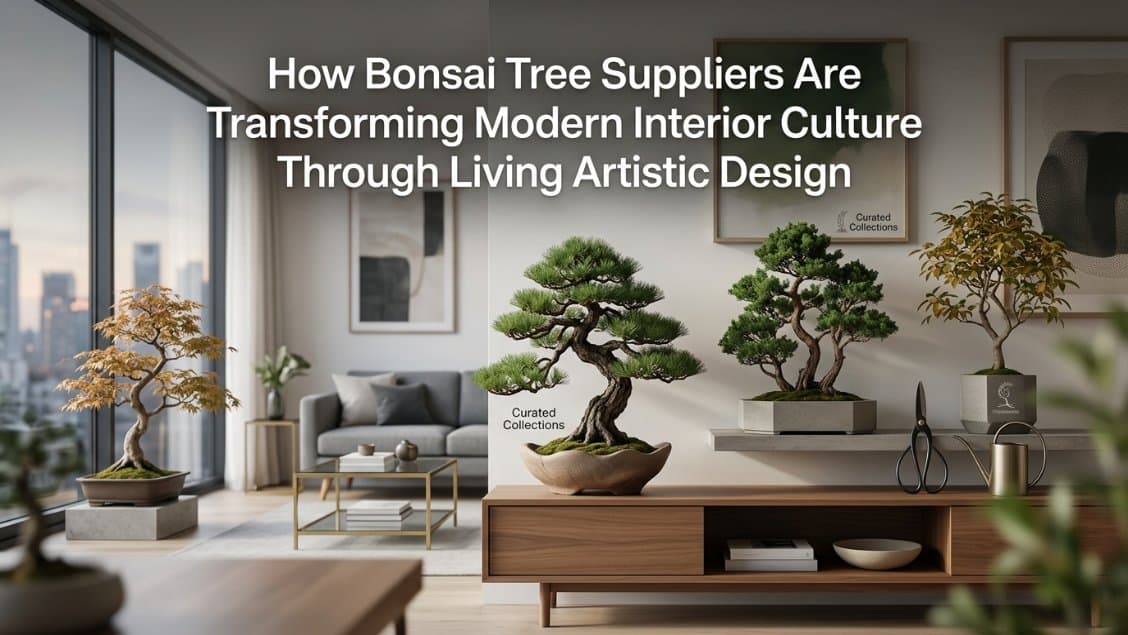


How bonsai tree suppliers Are Transforming Modern Interior Culture Through Living Artistic Design
The relationship between nature and modern living spaces has changed dramatically in recent years. As urban lifestyles become increasingly digital and fast-paced, people are searching for ways to reconnect with calmness, balance, and natural beauty inside their homes and work environments. Interior design is no longer focused only on furniture, lighting, or architecture. Today, living elements have become an essential part of how people create emotionally comfortable and visually meaningful spaces.
Within this shift, the growing influence of bonsai tree suppliers reflects much more than the popularity of decorative plants. Bonsai culture represents a deeper movement toward mindful living, artistic presentation, and the blending of natural aesthetics with modern lifestyle design. Small indoor trees are no longer viewed simply as gardening products. Instead, they are increasingly seen as living art pieces that transform the atmosphere of homes, offices, studios, cafes, and creative environments.
Modern bonsai culture has expanded rapidly because consumers now value design experiences that feel personal, calming, and visually timeless. Online bonsai stores and specialized plant suppliers have made these miniature natural sculptures more accessible to global audiences, allowing people to integrate nature into everyday life with far greater ease than ever before.
The Evolution of Bonsai From Tradition to Modern Lifestyle
For centuries, bonsai has been associated with patience, discipline, artistry, and harmony with nature. Traditionally connected to Japanese and East Asian artistic culture, bonsai trees were admired for their carefully shaped appearance and symbolic connection to balance and longevity.
However, modern consumer culture has transformed how bonsai is perceived globally. Today, bonsai trees are no longer limited to collectors or gardening enthusiasts. They are now becoming part of modern interior aesthetics and lifestyle-focused design culture.
Many modern bonsai tree suppliers present bonsai not only as plants but also as artistic centerpieces that fit contemporary living environments. This transition has helped bonsai culture appeal to younger audiences who value creativity, minimalism, and calming visual spaces.
The Growing Demand for Natural Interior Design
Modern interior design trends increasingly emphasize natural textures, calming colors, and organic decorative elements. Urban consumers spend large amounts of time surrounded by screens, technology, and artificial environments, creating a growing desire for more balanced and nature-inspired living spaces.
Bonsai trees fit perfectly into this movement because they combine natural beauty with artistic structure. Their compact size allows them to work well in apartments, offices, studios, and modern homes without requiring large outdoor spaces.
This growing interest in nature-focused interiors has encouraged bonsai tree suppliers to expand their collections and create more visually refined presentation styles that align with modern décor preferences.
The demand is no longer only about gardening. It is now deeply connected to lifestyle identity and emotional atmosphere.
Bonsai as Living Art Rather Than Decoration
One of the reasons bonsai culture continues growing is because bonsai trees are increasingly viewed as living sculptures rather than ordinary decorative plants.
Each bonsai tree carries a unique shape, structure, and visual personality developed through careful cultivation and artistic shaping. Unlike mass-produced décor items, bonsai trees evolve naturally over time, giving them a sense of individuality and character that resonates strongly with modern consumers.
Many bonsai tree suppliers now focus heavily on presentation aesthetics, artistic styling, and visual storytelling because customers are attracted to the emotional and artistic experience associated with bonsai ownership.
This artistic connection is helping bonsai culture expand beyond traditional gardening communities into modern creative and lifestyle spaces.
Digital Commerce and the Accessibility of Bonsai Culture
The internet has dramatically increased the accessibility of bonsai products worldwide. In previous decades, finding high-quality bonsai trees often required visiting specialty nurseries or gardening centers.
Today, online bonsai tree suppliers allow customers to explore different species, styles, and care options from anywhere through digital storefronts and social media platforms. Many websites now present bonsai collections with premium visual branding, modern photography, and lifestyle-focused presentation techniques that appeal to contemporary audiences.
This digital accessibility has made bonsai culture feel more approachable and modern, especially for younger consumers discovering bonsai through social media and interior design inspiration content.
Minimalism and the Rise of Mindful Living Spaces
Minimalist design culture has become one of the strongest influences in modern interior aesthetics. Consumers increasingly prefer clean, calming environments that reduce visual clutter and encourage mental relaxation.
Bonsai trees align naturally with minimalist lifestyles because they provide visual beauty without overwhelming a space. Their quiet presence often adds depth, texture, and balance to modern interiors while maintaining simplicity.
Many bonsai tree suppliers now market bonsai as part of mindfulness-oriented living environments rather than only as gardening products. This approach connects bonsai ownership with relaxation, focus, and emotional well-being.
The growing popularity of calm and intentional living spaces continues strengthening the connection between bonsai culture and modern interior design trends.
Social Media and the Visual Appeal of Bonsai Culture
Visual platforms such as Instagram, Pinterest, TikTok, and YouTube have significantly increased global interest in bonsai aesthetics. Consumers are constantly exposed to carefully designed spaces that combine plants, natural lighting, and artistic décor elements.
Bonsai trees photograph exceptionally well because of their sculptural appearance and elegant proportions. This visual appeal has helped bonsai culture spread rapidly through online lifestyle communities and creative design content.
As a result, bonsai tree suppliers increasingly invest in premium product presentation, cinematic photography, and aesthetic branding to align with modern digital culture.
This strong visual identity has transformed bonsai from a niche hobby into a recognizable part of modern design culture.
The Psychological Impact of Indoor Nature
Modern psychology research increasingly highlights the emotional benefits of natural environments. Many consumers now seek interior elements that create feelings of calmness, comfort, and mental balance.
Bonsai trees contribute to this atmosphere by introducing living natural forms into indoor spaces. Their slow growth patterns and delicate appearance often encourage patience and quiet observation, qualities that contrast sharply with the speed of modern digital life.
Because of this emotional connection, bonsai tree suppliers are increasingly associated with lifestyle experiences focused on tranquility, creativity, and personal well-being rather than simple plant sales.
This psychological dimension is one of the major reasons bonsai culture continues expanding globally.
Quality, Craftsmanship, and Long-Term Value
Unlike temporary decorative trends, bonsai trees often hold long-term artistic and emotional value. Well-maintained bonsai can survive for many years and continue evolving visually over time.
This longevity creates a stronger emotional attachment between owners and their trees. Many consumers appreciate bonsai because it feels meaningful and personal compared to disposable décor items.
Specialized bonsai tree suppliers often emphasize craftsmanship, cultivation methods, and species selection because customers increasingly value authenticity and quality over mass-produced products.
This focus on long-term value aligns with broader modern movements toward sustainable and intentional consumer behavior.
Online Communities and the Expansion of Bonsai Interest
Digital communities have played a major role in expanding bonsai culture worldwide. Online forums, Reddit discussions, YouTube channels, and social media groups allow beginners and experienced enthusiasts to share knowledge, styling ideas, and care techniques.
Many discussions highlight how bonsai ownership often begins through curiosity about interior aesthetics before developing into a deeper appreciation for the art form itself.
This community-driven learning environment has helped bonsai culture feel more accessible and less intimidating for modern audiences.
As online engagement continues growing, bonsai tree suppliers increasingly benefit from the educational and inspirational content shared across digital platforms.
The Future of Bonsai in Modern Lifestyle Culture
The future of bonsai culture appears strongly connected to evolving lifestyle and interior design trends. As urban spaces become smaller and consumers continue prioritizing calming environments, compact natural art forms will likely become even more desirable.
Modern bonsai tree suppliers are expected to continue combining traditional bonsai artistry with contemporary branding, digital accessibility, and lifestyle-oriented presentation strategies.
Future trends may include more integrated smart care systems, designer bonsai collections, and customized interior styling experiences built around living plant aesthetics.
This evolution suggests that bonsai culture will continue growing far beyond traditional gardening communities and become increasingly integrated into modern creative living spaces.
Final Thoughts
Modern interior culture is increasingly shaped by the desire for calmness, authenticity, and meaningful visual experiences. Consumers are no longer satisfied with purely decorative environments. They want spaces that feel emotionally balanced, naturally inspired, and artistically expressive.
The growing popularity of bonsai tree suppliers reflects this larger transformation because bonsai trees combine natural beauty, artistic craftsmanship, and mindful living into one powerful design element.
As digital culture, interior aesthetics, and lifestyle preferences continue evolving, bonsai will likely remain one of the most unique examples of how traditional natural art forms can adapt successfully to the demands of modern living and contemporary design culture.