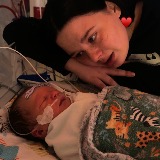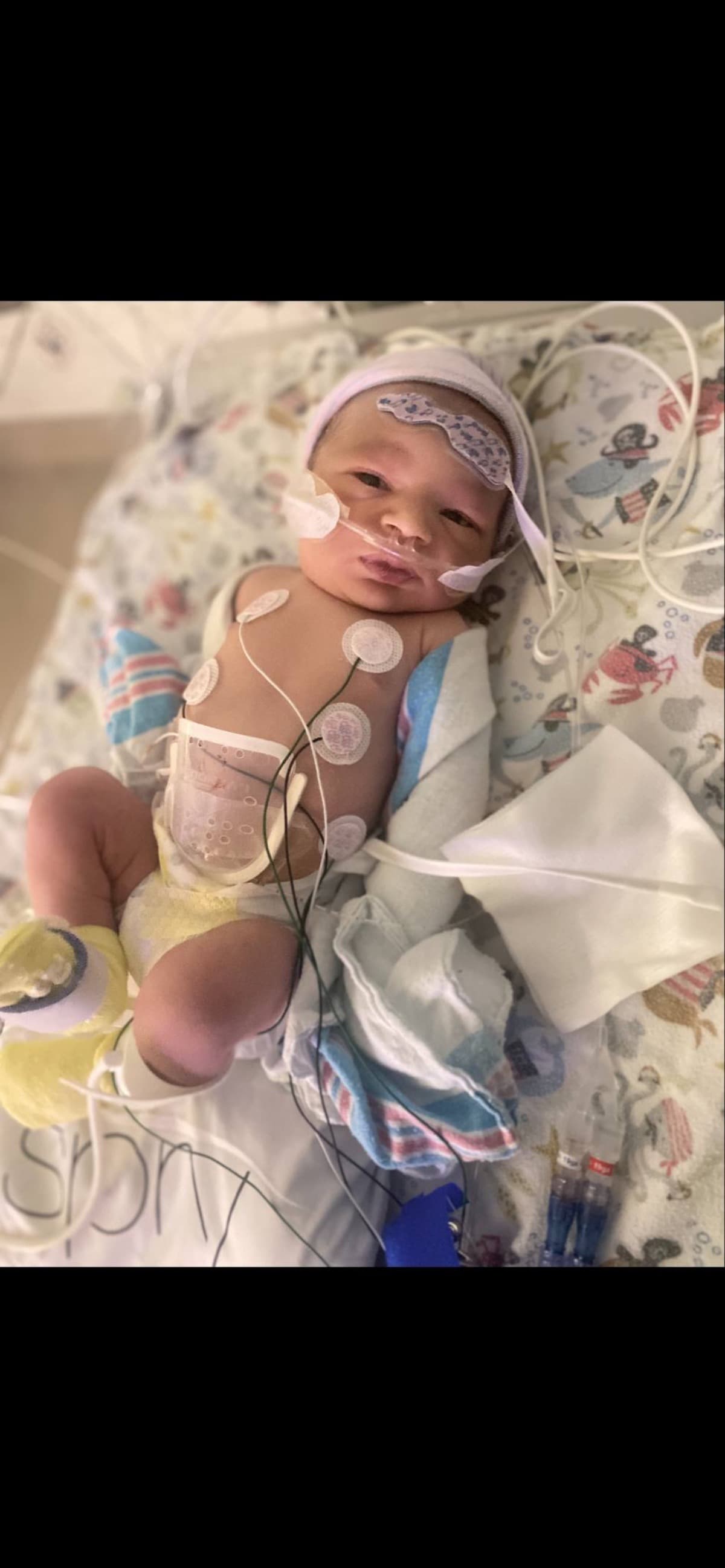

On 9/26, my sister Heather welcomed her beautiful baby boy into this world. Mi’Kyng was diagnosed with DORV (Double Outlet Right Ventricle) Pulmonary Artesia, And VSD. These are very serious heart defects that require admission at Cincinnati Children's with no discharge date at this time. Mi’Kyng will have his 1st Heart procedure this week, and will have several surgeries to follow in the upcoming months / years. He is currently on Prostaglandin, this is a crucial medication, keeping a blood vessel open to allow blood to flow until surgery.
This has became physically, mentally, and emotionally overwhelming for my sister who has worked every day up until birth, and still has an apartment and bills to up keep on. Heather is unable to return to work at this as she’s dedicating all of time and energy caring for baby boy during this hospital stay, and soon recovery. ❤️🩹
I’m only asking for support to help ease the burdens my sister is facing as a 1st time mother. It’s not the ordinary experience, in fact it’s very life changing.
Every donation matters, and if you can’t donate financially please consider sharing and keeping Mi’Kyng in your prayers. Thank you for standing with us during this difficult time, it means more than words could express.
below I shared more information about Mi’Kyngs heart defects.
Double outlet right ventricle (DORV) is a rare congenital heart defect, meaning it’s a condition a baby is born with. In DORV, the pulmonary artery and the aorta — the heart’s two major arteries — both connect to the right ventricle. In a normal heart, the pulmonary artery connects to the right ventricle, and the aorta connects to the left ventricle. DORV creates a problem because the right ventricle carries oxygen-poor blood, which then gets circulated in the body.
Another heart condition, called a ventricular septal defect (VSD), always occurs with DORV. This is a hole in the tissue wall (septum) that normally separates the right and left ventricles. The VSD allows oxygen-rich blood to pass from the left ventricle to the aorta and pulmonary artery. But even with this added oxygen, the body may still not get enough, causing the heart to work harder.
Pulmonary atresia is type of heart defect that a baby is born with. It occurs when the pulmonary valve — normally located between the right ventricle and the pulmonary artery — doesn’t form properly. This means that blood can’t flow from the heart to the lungs to get oxygen to the body. In some cases, babies with pulmonary atresia may also have a small, or missing, right ventricle that can’t properly pump blood to the lungs.
Pulmonary atresia is a life-threatening condition, affecting one out of every 10,000 newborns. Babies born with pulmonary atresia need medication and surgery to correct the heart defect and improve blood flow to the lungs.