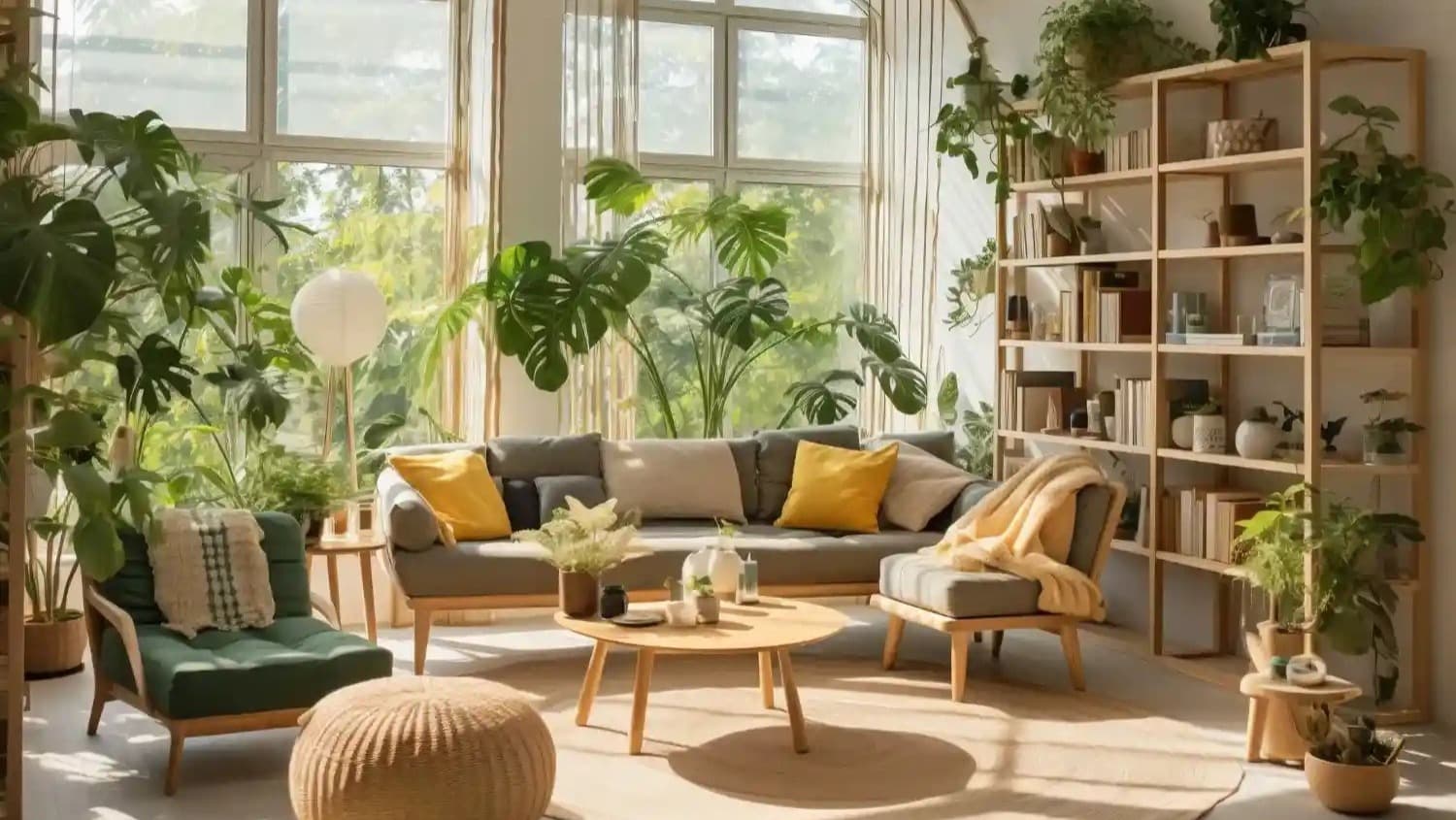


Introduction to Sustainable Interior Design
A Sustainable Interior is more than just a design trend. It is a practical and responsible approach to creating living spaces that minimise environmental impact while enhancing comfort and aesthetics. With growing awareness around climate change and ethical consumption, homeowners are increasingly turning towards solutions that combine style with sustainability.
This shift has led to a rise in demand for Sustainable Home Accessories and Eco-Friendly Home Decoration, both of which play a key role in reducing waste and promoting conscious living. From recycled materials to ethically sourced textiles, every design choice contributes to a healthier planet. Brands like Pri Pri are at the forefront of this movement, offering vibrant, circular-design products that bring both character and purpose into modern interiors.
What Defines a Sustainable Interior?
Core Principles of Sustainability in Interiors
A well-designed Sustainable Interior is built on a few essential principles. These include resource efficiency, longevity, and ethical sourcing. Instead of focusing solely on appearance, sustainable design prioritises materials and processes that reduce environmental harm.
For instance, using reclaimed wood, recycled fabrics, and low-impact finishes ensures that fewer natural resources are depleted. Additionally, energy-efficient lighting and natural ventilation systems help reduce long-term energy consumption. These elements work together to create a home that is not only visually appealing but also environmentally responsible.
The Role of Circular Design
Circular design is a key concept in sustainable interiors. It focuses on reusing, repurposing, and recycling materials rather than discarding them. This approach significantly reduces waste and extends the lifecycle of products.
Pri Pri exemplifies this philosophy by transforming existing Indian textiles into beautifully crafted home accessories. Designed in London, their collections highlight how traditional materials can be reimagined into modern, colourful pieces that align perfectly with a Sustainable Interior approach.
Benefits of Choosing a Sustainable Interior
Environmental Impact
One of the most significant advantages of adopting a Sustainable Interior is the reduction in environmental footprint. By choosing eco-conscious materials and processes, homeowners contribute to lower carbon emissions and reduced landfill waste.
Using Eco-Friendly Home Decoration items made from recycled or biodegradable materials ensures that your home does not contribute to long-term environmental damage. Over time, these small choices create a meaningful impact on the planet.
Health and Wellbeing
Sustainable interiors also promote better indoor air quality and overall wellbeing. Many conventional materials release harmful chemicals, whereas eco-friendly alternatives are typically free from toxins.
Incorporating Sustainable Home Accessories such as organic textiles, natural dyes, and handcrafted décor enhances the living environment. The result is a space that feels both calming and safe for everyday living.
Long-Term Cost Efficiency
Although sustainable products may seem more expensive initially, they often prove cost-effective in the long run. High-quality materials last longer and require fewer replacements.
Investing in durable pieces, like those offered by Pri Pri, ensures longevity without compromising on style. Their use of resilient fabrics and timeless designs means you can enjoy both sustainability and value for money.
Key Elements of Sustainable Interior Design
Sustainable Materials
Material selection is at the heart of any Sustainable Interior. Natural, recycled, and renewable materials are preferred over synthetic alternatives.
Examples include:
- Reclaimed wood for furniture
- Organic cotton and linen for textiles
- Recycled metals and glass for décor
Pri Pri takes this a step further by using repurposed Indian fabrics, turning them into vibrant home accessories that reflect both culture and sustainability.
Energy Efficiency
Energy-efficient design is another critical aspect. This includes using LED lighting, maximising natural light, and incorporating energy-saving appliances.
Simple changes, such as installing energy-efficient bulbs or choosing lighter colour palettes to reflect light, can significantly reduce energy consumption. These adjustments contribute to a more sustainable and cost-effective home environment.
Waste Reduction
Reducing waste is central to sustainable living. This involves choosing products with minimal packaging, supporting brands that use recycled materials, and avoiding fast furniture trends.
Opting for Eco-Friendly Home Decoration items that are handcrafted or made from upcycled materials helps reduce landfill waste. It also supports artisans and ethical production practices.
Incorporating Sustainable Home Accessories
Choosing Ethical and Functional Pieces
Sustainable Home Accessories are essential for adding personality to your space without compromising on environmental values. These items should be both functional and ethically produced.
Look for products made from:
- Recycled textiles
- Natural fibres
- Locally sourced materials
Pri Pri offers a range of accessories that meet these criteria, combining colourful aesthetics with sustainable production methods. Their designs bring warmth and individuality to any interior.
Balancing Style and Sustainability
A common misconception is that sustainable design lacks visual appeal. In reality, it offers a unique and authentic style that cannot be replicated by mass-produced items.
By integrating bold patterns, handcrafted textures, and culturally inspired designs, you can create a space that is both stylish and eco-conscious. This balance is a defining feature of a well-executed Sustainable Interior.
Eco-Friendly Home Decoration Ideas
Upcycled Décor
Upcycling is one of the most effective ways to embrace Eco-Friendly Home Decoration. It involves transforming old or unused items into something new and functional.
Examples include:
- Turning glass jars into lighting fixtures
- Repurposing fabric into cushion covers
- Using wooden crates as shelving units
Brands like Pri Pri specialise in this approach, giving new life to existing materials while maintaining high design standards.
Natural and Organic Elements
Incorporating natural elements into your home enhances both sustainability and aesthetics. Plants, stone, and wood add texture and create a calming atmosphere.
Indoor plants, in particular, improve air quality and bring a sense of tranquillity to your space. Pairing these elements with Sustainable Home Accessories creates a cohesive and eco-friendly environment.
Handcrafted and Artisan Products
Supporting handcrafted products is a key aspect of sustainable design. These items are often made in small batches, reducing environmental impact and supporting local communities.
Pri Pri works with skilled artisans to produce unique pieces that reflect traditional craftsmanship. This not only preserves cultural heritage but also ensures ethical production practices.
How to Transition to a Sustainable Interior
Start with Small Changes
Transitioning to a Sustainable Interior does not require a complete overhaul. Begin with small, manageable changes such as replacing synthetic textiles with natural alternatives or switching to energy-efficient lighting.
Gradually incorporating Eco-Friendly Home Decoration items allows you to build a sustainable home over time without unnecessary expense.
Prioritise Quality Over Quantity
One of the most effective strategies is to focus on quality rather than quantity. Investing in durable, well-made items reduces the need for frequent replacements.
Pri Pri embodies this approach by offering long-lasting products that combine durability with distinctive design. Their pieces are created to be cherished, not discarded.
Support Sustainable Brands
Choosing the right brands is crucial when building a sustainable home. Look for companies that prioritise ethical sourcing, fair labour practices, and environmentally friendly production methods.
By supporting brands like Pri Pri, you contribute to a circular economy that values both people and the planet.
Future Trends in Sustainable Interior Design
Smart and Sustainable Living
Technology is playing an increasingly important role in sustainable interiors. Smart home systems that optimise energy use are becoming more accessible and widely adopted.
These innovations, combined with Sustainable Home Accessories, create a modern living environment that is both efficient and environmentally responsible.
Increased Focus on Circular Economy
The concept of a circular economy is gaining momentum in interior design. More brands are adopting practices that prioritise reuse and recycling.
Pri Pri is already leading in this space, demonstrating how existing materials can be transformed into high-quality, desirable products.
Minimalism with Purpose
Minimalism continues to influence sustainable design, but with a stronger focus on purpose and functionality. Instead of empty spaces, the emphasis is on meaningful, well-crafted items.
This approach aligns perfectly with a Sustainable Interior, where every element serves a purpose and contributes to the overall design.
Conclusion: Creating a Home with Purpose
A thoughtfully designed Sustainable Interior is not just about aesthetics. It reflects a commitment to responsible living, ethical consumption, and environmental stewardship.
By incorporating Sustainable Home Accessories and embracing Eco-Friendly Home Decoration, you can create a space that is both beautiful and sustainable. Every choice, from materials to brands, plays a role in shaping a more conscious way of living.
Pri Pri stands out as a brand that brings this vision to life. With its colourful designs, circular approach, and dedication to sustainability, it offers a practical way to transform your home while supporting a better future.
Now is the right time to rethink how your space is designed. A sustainable home is not only good for the environment, but it also creates a more meaningful and enjoyable living experience.