
REGULATION OF AIR QUALITY MONITORING TO UPHOLD THE RIGHT TO A CLEAN AND HEALTHY ENVIRONMENT IN UGANDA.
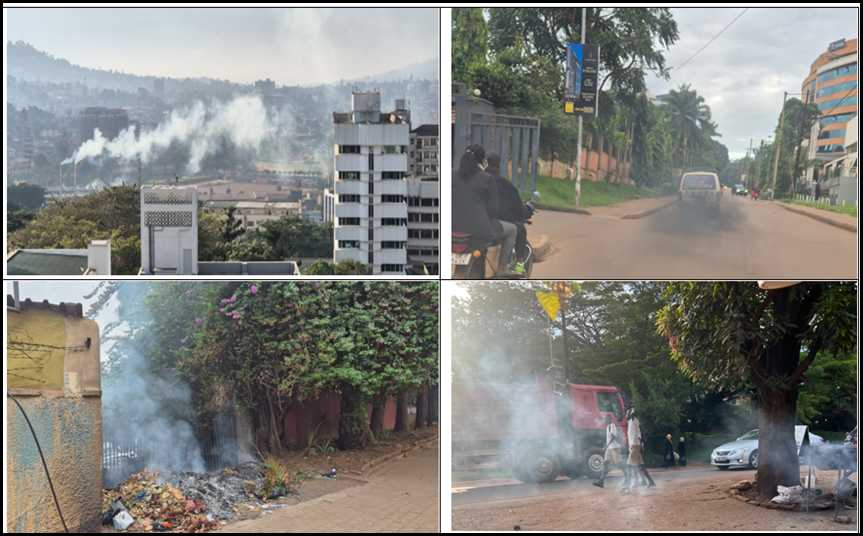
Despite several commitments to manage air quality, Uganda's air quality remains unsafe as a result of increased manufacturing, urbanization, use of poorly maintained vehicles, dust from unpaved roads, waste burning, and other human activities that contribute to air pollution. Additionally, over 95% of households use charcoal and firewood for cooking which is a contributor factor to harmful emissions. With all the above human activities air pollution is projected to worsen if no deliberate interventions are implemented.
Air pollution poses a significant health burden in Uganda, contributing to increased mortality and morbidity rates, with 155.7 deaths per 100,000 people higher than Tanzania, Rwanda and double that of Kenya. A 2019 population survey among 2,936 people in Uganda found an overall asthma prevalence of 11.02% with a higher rate of 12.99%. this results into budget constraints to both government and families, reduction in tourism opportunities as tourist prefer going to areas with clean air.
To mitigate this risk there is need to regulate air pollution through air quality monitoring and implement air quality standards through regular motor vehicle inspection, air quality monitoring in industrial areas and sensitization towards adoption of clean energy in households.
With your contribution, it will help me conduct a study to come up with recommendations to improve air quality to mitigate challenges such as health and cross border pollution.
The Research Proposal:
REGULATION OF AIR QUALITY MONITORING TO UPHOLD THE RIGHT TO A CLEAN AND HEALTHY ENVIRONMENT IN UGANDA.
BY EGESA IVAN
A RESEARCH PROPOSAL SUBMITTED TO THE SCHOOL OF LAW IN PARTIAL FULFILLMENT OF THE REQUIREMENTS FOR THE AWARD OF A MASTER OF LAWS AT MAKERERE UNIVERSITY.
MARCH 2025
Contents
1.4: Objectives of the study. 8
1.4.2: Specific objectives of the study. 9
1.7: Theoretical Framework. 10
1.8: Significance of the Study. 10
CHAPTER TWO. LITERATURE REVIEW. 12
2.1: Sources and characteristics of emissions. 12
2.2: Health and Environmental impacts of emissions. 15
2.3: Policy, Regulatory and Institutional Framework for Emissions Control. 17
CHAPTER THREE. METHODOLOGY. 19
3.5: Data Collection Methods. 20
3.6: Data Analysis and Presentation. 20
Appendix 1: Sampled government agencies. 25
Appendix.2: Data collection instruments. 25
ABBREVIATIONS
|
AAQS. |
Ambient Air Quality Standards |
|
AQMS. |
Air Quality Monitoring System. |
|
CNG. |
Compressed Natural Gas. |
|
CO. |
Carbon Monoxide. |
|
CO₂. |
Carbon Dioxide. |
|
COPD. |
Chronic Obstructive Pulmonary Disease. |
|
EU. |
European Union. |
|
HC. |
Hydrocarbons. |
|
HIV/AIDs. |
Human Immunodeficiency Virus/Acquired Immunodeficiency Syndrome |
|
KCCA. |
Kampala Capital City Authority. |
|
LPG. |
Liquefied Petroleum Gas. |
|
MoWT. |
Ministry of Works and Transport. |
|
MWE. |
Ministry of Water and Environment. |
|
NEMA. |
National Environment Management Authority |
|
NO₂. |
Nitrogen Dioxide. |
|
NOx. |
Nitrogen Oxides. |
|
PM. |
Particulate Matter |
|
SADC. |
Southern African Development Community. |
|
Sox. |
Sulfur Oxides. |
|
UNBS. |
Uganda National Bureau of Standards |
|
UNRA. |
Uganda National Roads Authority. |
|
URA. |
Uganda Revenue Authority |
|
VOCs. |
Volatile Organic Compounds |
|
WHO. |
World Health Organization |
CHAPTER ONE. INTRODUCTION.
1.1: Introduction.
Air quality is crucial for public health and environmental stability, yet Uganda faces worsening air pollution due to rapid urbanization, industrialization, and reliance on road transport. Major pollution sources include vehicle emissions, manufacturing industries, waste burning, and widespread charcoal use for cooking. Uganda’s PM2.5 levels exceed WHO guidelines, leading to respiratory diseases such as asthma, especially in urban areas. The country also experiences pollution from natural sources like volcanic ash and forest fires.
To regulate air quality, Uganda has enacted laws such as the National Environment Act and the Traffic and Road Safety Act, which impose restrictions on old vehicle imports and mandate vehicle inspections. However, enforcement challenges, including poor vehicle maintenance, fuel adulteration, and public unawareness, continue to hinder progress. Uganda has one of the highest air pollution-related mortality rates in the region, with 155.7 deaths per 100,000 people[1]. In 2021, air pollution caused 8.1 million deaths globally, severely impacting newborns in East Africa[2]. The absence of effective air quality monitoring and enforcement leaves over 80% of Uganda’s urban residents exposed to hazardous pollution levels[3].
1.2: Background
Air quality is a critical aspect of environmental health, influencing both public well-being and ecological stability. It refers to the state of the air, characterized by the concentration of pollutants in the atmosphere at the point of measurement[4]. Air quality is compromised when any sort of contaminant is introduced into the atmosphere such that it disrupts the chemical composition and rendering it unsafe[5]. Air pollution has become a growing concern in Uganda, particularly due to rapid urbanization and industrialization. Emissions from manufacturing industries, poorly maintained vehicles, waste burning, dust from unpaved roads and other human activities,[6] contribute to deteriorating air quality. Uganda, relies heavily on road transport, which exposes it to experiencing high levels of vehicle congestion within the country.
Uganda’s annual average concentration of PM2.5 is approximately 50 µg/m³, significantly exceeding the WHO guideline of 10 µg/m³[7]. This problem is especially severe in cities and industrialized areas like Jinja and Kampala[8], leading to a rise in respiratory diseases, including a national asthma prevalence of 11.02% (12.99% in urban areas) and an associated mortality rate of 27.3 per 1,000 people[9].
Air pollution is defined as the contamination of air by discharge of harm full substances which can cause health problems including burning eyes and nose, itchy irritated throat and breathing problems[10]. Air pollution can be classified into natural air pollution, which includes windblown dust, volcanic ash, and gases, smoke and trace gases from forest fires, and anthropogenic air pollution that includes products of combustion such as nitrogen oxide carbon oxides, and Sulphur dioxide.
The public at large does not generally understand the impact of exposure to high concentrations of outdoor pollution as they go about their day-to-day activities[11]. These practices are both intentional and non-intentional. This lead to the initiation of several legislative measure to manage air quality in Uganda. These include the 1995 Constitution of the republic of Uganda, National Environment Act Cap 181, Air quality regulations, the Traffic and Road Safety Act, Cap 347, Local Governments Act Cap 138, Kampala Capital City Authority Act Cap 195, Uganda National Bureau of Standards Act, Cap 210, and the Public Health Act Cap 310.
The legislation has introduced several measures to manage air quality such as mandatory vehicle inspection scheme introduced by the Ministry of Works and Transport the SGS which was latter halted,[12] restriction of importation of old vehicles of the age of 15 years in Uganda,[13] conducting environmental social impact assessment for factors to take measurements of air quality.
In Uganda, vehicles are often inadequately maintained, a factor that increases emissions across all vehicle types coupled with fuel adulteration where dealers mix diesel or petrol with cheaper kerosene to boost sales volumes[14], exploiting the price difference. Many factories continue to operate without air quality monitors to take measurements of air quality at the factory, most people remain unaware of the health and environmental risks posed by prolonged exposure to both indoor and outdoor pollution as they carry out their daily routines.
1.3: Statement of problem
Despite several commitments to manage air quality, Uganda's air quality remains unsafe due to emissions from manufacturing, poorly maintained vehicles, dust from unpaved roads, waste burning, and other human activities[15]. In addition, over 95% of households use charcoal for cooking, contributing to harmful emissions. With the rapidly-growing urban population, air pollution is projected to worsen if no deliberate interventions are implemented to stem it.[16]
Air pollution poses a significant health burden in Uganda, contributing to increased mortality and morbidity rates, with 155.7 deaths per 100,000 people – higher than Tanzania and Rwanda, and double that of Kenya[17]. A 2019 population survey among 2,936 people in Uganda found an overall asthma prevalence of 11.02% with a higher rate of 12.99% in urban centers, resulting in a mortality rate of 27.3 per 1000 persons[18]. The rise in asthma cases in Uganda is linked to the increased exposure to air pollutants[19]
Globally, air pollution was the second largest risk factor of deaths in 2021[20]., accounting for 8.1 million fatalities. In East Africa, this was particularly severe for new-born, contributing to nearly 30% of deaths within the first month of life. of the global total[21], 58% of air pollution deaths resulted from ambient (outdoor) PM2.5, 38% from household air pollution, and 6% from ozone.
In Uganda, the absence of air pollution detection equipment and a comprehensive monitoring and regulatory framework presents significant challenges. According to WHO, over 80% of the population in monitored urban centers are exposed to ambient pollution levels exceeding recommended safe limits[22]. Air pollution in Sub-Saharan Africa, including Uganda, has become deadlier and costlier than historical crises such as starvation, unclean water, and HIV/AIDS. The failure to establish comprehensive air quality management systems further worsens the problem[23].
The lack of air quality monitoring in many parts of Uganda puts public health at risk[24], increasing the prevalence of respiratory infections, heart diseases and chronic lung conditions. In light of the above concerns, the study seeks to examine the performance of regulatory framework in monitoring and enforcing air quality standards to promote the right to a clean and healthy environment.
1.4: Objectives of the study.
This section will present the main and specific objective of this research.
1.4.1: General Objectives
The overall objective of the study is to examine the regulatory framework for monitoring and enforcing air quality standards and its impact on the right to a clean and healthy environment.
1.4.2: Specific objectives of the study.
- To critically review the existing regulatory framework on management of air quality in Uganda.
- Assess the effectiveness of implementing the regulatory framework for enforcing compliance with air quality monitoring.
- To examine the challenges encountered in the implementation of the regulatory framework in monitoring air quality standards to promote the right to a clean and health environment.
1.5: Research Questions
This study will be guided by the following research questions:
- What are the regulatory framework regulating air quality monitoring and standards in Uganda?
- Examine the available measures for enforcing compliance of air quality monitoring and standards?
- Examine the challenges encountered in the implementation of the regulatory framework in monitoring air quality standards to promote the right to a clean and health environment?
1.6: Scope of the Study
The study will assess measures put in place by the regulatory framework to monitor and enforce air quality standards in order to protect and promote the right to a clean and healthy environment. It will focus on activities and operations to be undertaken by regulatory authorities such as NEMA which has the primary institutional mandate in charge of environmental protection, and other lead actors such as MoWT, UNRA, UNBS, Makerere Lung Institute, the Eastern Africa GeoHealth Hub and AirQ. The research will cover major cities in Uganda.
1.7: Theoretical Framework
This research utilizes institutional theory, a framework established by notable scholars like Meyer, Rowan, Scott, DiMaggio, and Powell[25]. The theory suggests that government institutions significantly influence public policy, including the creation and execution of policies and regulatory frameworks, with enforcement measures applied required and mandated[26]. It is built on three main components which are the normative aspect, which outlines anticipated behaviors, the regulative aspect, which centers on laws and rules that demand enforcement to ensure adherence and the cultural-cognitive aspect, which encompasses the common beliefs and practices within a society[27].
Institutional theory is highly applicable to this research, as it examines how government-led policies and regulation shape efforts for the effective monitoring and management of air quality standards in Uganda[28]. The regulative pillar is reflected in the development of tools like laws, regulations, standards, and guidelines, with the government creating institutions equipped with legal authority to ensure compliance such as NEMA, Ministry of Works and Transport[29]. The normative pillar supports this by setting expectations for behavior as defined in these legal frameworks that should be complied with for example by factories, road construction projects and owners of motor vehicles. Meanwhile, the cultural-cognitive pillar plays a key role in determining whether individuals affected by these rules are prepared to shift their ingrained habits and practices to comply with the laws, regulations, and standards aimed at tackling vehicular air pollution. This study will utilize the institutional theory to examine how institutional dynamics shape the effectiveness of the regulatory framework in Uganda, particularly within the realm of monitoring air quality to promote a clean and healthy environment.
1.8: Significance of the Study
Gaining insight into the governance structure towards improving air quality monitoring in Uganda is crucial for building a stronger knowledge foundation, which is vital for shaping future strategies to tackle the rising issue of air pollution. The results of this study are valuable for policymakers and practitioners at both national and local government levels, providing guidance for developing and executing future policies to manage air quality monitoring in Uganda.
CHAPTER TWO. LITERATURE REVIEW.
2.0: Introduction.
This part of the chapter presents a critical review of existing literature on air quality monitoring, the health and environmental impacts of lack of air quality monitoring and the governance framework for promotion of air quality in Uganda. It establishes the gaps in the existing literature. The literature is presented under three themes namely: sources and characteristics of vehicular emissions: health and environmental impacts of vehicular emissions; and Policy, Regulatory and Institutional Framework for Vehicular Emissions Control.
2.1: Sources and characteristics of emissions
Globally, motor vehicles including cars, trucks, and buses remain a major contributor to air pollution[30]. Air pollutants are categorized as primary when directly emitted from stationary or mobile sources and secondary when formed in the atmosphere through chemical and physical reactions such as oxidation, hydrolysis, or photochemistry[31]. While environmental pollution is not a new issue, the transportation sector has significantly intensified its impact in recent years[32].
Since the Industrial Revolution, industrial and societal activities have led to an increase in atmospheric waste. Over the past four decades, technological advancements and regulatory measures have helped reduce emissions from industrial and domestic sources, particularly in industrialized nations[33]. However, as these emissions have declined, the rapid growth in motor vehicle usage has made transportation a dominant source of pollution, especially in urban areas.
Mobile sources emit several primary pollutants, including carbon monoxide (CO), hydrocarbons (HC), volatile organic compounds (VOCs), sulfur oxides (SOx), nitrogen oxides (NOx), particulate matter such as dust and smoke, and lead compounds. Secondary pollutants formed from these emissions include nitrogen dioxide (NO₂), photochemical oxidants like ozone, secondary particulate matter, and acid rain[34].
Although carbon dioxide (CO₂) does not directly harm human health or public welfare, its accumulation contributes to the greenhouse effect[35]. Carbon monoxide, a colorless, odorless, and highly toxic gas with a density similar to air, poses significant health risks. It disrupts oxygen absorption in red blood cells, potentially leading to increased morbidity, reduced fertility, and decreased worker productivity[36].
Carbon monoxide (CO) is produced due to the incomplete combustion of fuel and is directly emitted from manufacturing and motor vehicle exhaust systems[37]. Sulfur dioxide (SO₂) is a colorless gas with a strong odor and is the primary sulfur compound released into the atmosphere from burning sulfur-containing fuels, particularly fossil fuels. As a result, fossil fuel combustion is the main contributor to atmospheric SO₂. This pollutant is linked to respiratory illnesses such as bronchitis and plays a significant role in the formation of acid rain[38].
The transportation sector accounts for approximately 5% of global SO₂ emissions, though this figure can reach 17% in some countries[39]. Diesel fuel emits more SO₂ per liter than gasoline. Vehicle emissions primarily stem from fuel combustion and evaporation, with a variety of fuels used for transportation, including petrol, diesel, methanol, ethanol, alcohol blends, liquefied petroleum gas (LPG), and compressed natural gas (CNG)[40]. In Uganda, petrol and diesel are the most commonly used fuels. Diesel-powered vehicles primarily emit particulate matter (PM), SO₂, nitrogen oxides (NOx), carbon monoxide (CO), and hydrocarbons (HC), whereas petrol-powered vehicles mainly release NOx, CO, and HC[41].
Pollution arises from multiple factors. In urban areas, the high concentration of motor vehicles in a limited space leads to increased emissions per kilometer, contributing significantly to air pollution. Ronni Esther established that emissions are generated throughout the entire life cycle of vehicles, including cars, buses, motorcycles, off-road vehicles, and trucks[42]. Pollution occurs not only during vehicle operation but also during fuel refining and distribution, refueling, and disposal[43]. Additionally, emissions result from the manufacturing process, vehicle assembly in factories, and even within the vehicle itself stemming from materials like carpeting, air conditioning systems, exhaust leaks, and plastics. Consequently, motor vehicles contribute to both primary pollution, which is released directly into the atmosphere, and secondary pollution, which forms through chemical reactions between atmospheric pollutants[44].
The National Environment Management Authority (NEMA) has noted that the increasing importation of reconditioned vehicles into the country is likely to contribute to rising air pollution levels if no measures are taken[45]. Additionally, the growing number of two-wheeled motorcycles, particularly those with two-stroke engines, is a significant source of emissions. The type of fuel used in these vehicles also affects the level of emissions, as components such as sulfur and lead contribute to air pollution.
According to Kiggundu[46], approximately 75% of Uganda’s air pollution is linked to transport-related activities and manufacturing. With rapid economic growth and rising incomes, many Ugandans, especially Kampala residents, can now afford private vehicles[47]. Owning a car is often seen as a status symbol, leading to increased vehicle ownership and worsening traffic congestion. Kampala’s road network was originally designed to accommodate around 45,000 vehicles, yet over two million, including taxis and private cars, enter the city daily. Nassaka’s research highlights that transportation, primarily due to fossil fuel combustion and vehicle exhaust emissions, is a major contributor to air pollution[48]. As economic growth enables more people to purchase cars, the increasing number of vehicles on Kampala’s inadequate road infrastructure continues to exacerbate emissions and air quality concerns.
2.2: Health and Environmental impacts of emissions
The effects of air pollutants on human health depend on various factors, including age, the number of people exposed, their overall health, the concentration and type of contaminants, and dose-response relationships. While air pollution can impact nearly all organ systems, the respiratory and cardiovascular systems are the most affected[49].
In the respiratory system, air pollution is linked to irritation symptoms such as coughing, wheezing, hoarseness, and sneezing, as well as diseases like asthma, chronic obstructive pulmonary disease (COPD), pneumonia, tuberculosis, COVID-19, lung fibrosis, and lung cancer[50]. Cardiovascular conditions associated with air pollution include stroke, hypertension, myocardial ischemia, heart attacks, heart failure, and arrhythmias[51]. Additionally, air pollution has been linked to neuropsychiatric issues such as aggression, anxiety, antisocial behavior, hyperactivity, and even increased criminal tendencies. Other adverse effects include low birth weight, eye problems, and reduced cognitive abilities in children[52].
According to the World Health Organization (WHO), ambient air pollution is responsible for an estimated 4.2 million deaths annually worldwide due to stroke, heart disease, lung cancer, and chronic respiratory conditions[53]. Motor vehicle emissions significantly contribute to these health risks. Exposure to pollutants occurs not only through inhalation but also via contaminated water and food, as well as skin absorption[54].
Ronni Esther observed that engine exhaust emissions are worsening health conditions, particularly for individuals suffering from serious illnesses such as asthma, chronic obstructive pulmonary disease (COPD)[55], cardiovascular disease, diabetes, and lung cancer. These individuals experience more frequent and severe symptoms due to air pollution. Beyond the health risks, pollutants from vehicular emissions also have significant environmental consequences.
Gireesh Kumar et al. highlighted that human survival is closely tied to a healthy environment, and pollution particularly from road transportation is a growing global concern[56]. Emissions from land transport, primarily from road vehicles and, to a lesser extent, rail and inland shipping, are the dominant source of long-lived greenhouse gases in the transportation sector[57]. These emissions significantly contribute to the overall anthropogenic greenhouse effect. Additionally, land transport releases short-lived gases and particulate matter, which alter atmospheric composition and degrade air quality.
According to Auto safety Uganda, Kampala ranks among the most polluted cities in Africa, with air pollution levels exceeding the World Health Organization's (WHO) air quality guidelines by more than six times[58]. While several factors contribute to poor air quality in the city, unregulated transportation stands out as a primary cause.
2.3: Policy, Regulatory and Institutional Framework for Emissions Control.
According to the UN Environment, there is no universal legal framework governing ambient air quality standards (AAQS) worldwide. Public international law has yet to establish a clear legal commitment to AAQS that ensures the protection of human health and the natural environment on a global scale[59]. However, certain regional legal instruments, particularly in the European Union (EU), require member states to implement comprehensive air quality control measures[60]. Additionally, regional cooperation on air pollution exists through formal agreements in various parts of the world.
In Africa, three key agreements promote regional collaboration on air quality management, these are the Eastern Africa Regional Framework Agreement on Air Pollution (Nairobi Agreement 2008), the Southern African Development Community (SADC) Regional Policy Framework on Air Pollution (Lusaka Agreement 2008), and the West and Central Africa Regional Framework Agreement on Air Pollution (Abidjan Convention 2009). These agreements encourage harmonization of national air quality legislation, standards, monitoring systems, and data management practices.
In a study on air pollution in Bangalore City, India, Harish concluded that motor vehicles were among the primary sources of pollution in the city[61]. He recommended enforcing strict traffic regulations, imposing heavy fines, and seizing vehicles for rule violations, alongside raising public awareness as solutions to address the problem. Kampala, Uganda’s capital, shares similarities with cities like Bangalore, particularly in its air quality challenges[62]. As the fifth most polluted city in Africa, Kampala urgently requires a stronger regulatory and institutional framework.
Kiggundu’s study identifies several laws related to pollution in Uganda[63], such as the National Environment Act, the Mining Act, the Public Health Act, and the National Physical Planning Act. However, the study does not highlight specific gaps in each law or discuss the role of the institutions involved. According to Autosafety Uganda, the country lacks adequate regulations, infrastructure, and coordinated efforts to manage vehicular emissions. Furthermore, the absence of reliable data suggests that pollution levels in Africa may be much worse than estimated. As urbanization continues, air quality is expected to deteriorate further.
Bateebe argues that Uganda’s capacity to assess and manage air pollution is underdeveloped due to policy gaps and resource limitations, preventing effective implementation of existing measures to reduce vehicular pollution[64]. Bateebe’s research, conducted twelve years ago, does not address the current policy challenges. There is a critical need for policies that control economic development to mitigate the economic and environmental impacts of pollution. This study aims to examine the legal and institutional frameworks in place to combat vehicular pollution in Uganda.
CHAPTER THREE. METHODOLOGY.
3.0: Introduction.
This part will outline the stud y area, research design, target population, sampling technique and data collection methods, data analysis and presentation.
3.1: Study area
The study will be conducted in Uganda, Uganda experiences high levels of vehicle emissions, pollution from factories and road constructions that raise dust. The study will target major polluted areas mainly in major cities which is due to their rapid urbanization and industrialization.
3.2: Research Design
A case study research design will be used for the study. Whereas the overall inquiry related to the regulatory framework for air pollution monitoring in Uganda, a case study of major cities will be picked for an in-depth inquiry into the problem of research by narrowing down from the broader Ugandan scenario to major cities. A mixed method of research combining the elements of qualitative and quantitative research will be adopted. This will enable the researcher to analyze data from the existing literature, key informant interviews, and quantitative data.
3.3: Target Population
The target population will comprise of the residents within the cities, factory workers and medical personnel and key informants in governmental ministries, departments and agencies in charge of various regulatory elements regarding air pollution monitoring. The key informants will be from the following governmental ministries, departments and agencies: Ministry of Works and Transport, National Environment Management Authority, Uganda Revenue Authority, Kampala Capital City Authority, Uganda National Bureau of Standards, and the Traffic Police Department.
3.4: Sampling Technique
The study will employ purposive sampling to select key informants from government ministries, departments, and agencies involved in air quality monitoring. Semi-structured interviews will be conducted with officials from the Ministry of Works and Transport (MWT), National Environment Management Authority (NEMA), Uganda Revenue Authority (URA), Kampala Capital City Authority (KCCA), Uganda National Bureau of Standards (UNBS), and the Uganda Police Force. These agencies play a crucial role in air pollution regulation and enforcement.
For city residents, the study will use the stratified random sampling, considering age (18 years and above) and length of residence (at least one year). Given resource limitations and the need for a manageable sample, 25 respondents will be selected from each city. To ensure balanced representation, respondents will evenly be distributed across the cities. Participants will randomly be chosen on a first-encounter basis.
3.5: Data Collection Methods
This study will use a variety of methods and instruments including semi-structured interviews and questionnaires to collect data and relevant document review and analysis. The data collected through the various methods will be triangulated to ensure that the validity of conclusions is improved. The various data collection methods are discussed below in relation to each of the questions of research:
Document review and analysis, several documents will be reviewed and analyzed including the 1995 Constitution of Uganda as amended, government policy documents, Acts of Parliament, subsidiary legislation, books, reports, academic work, journals, and periodicals.
Semi-structured interviews, these will consist of designing a series of questions to get specific answers on the part of key informants in governmental ministries, departments and agencies in charge of regulation of air quality monitoring and included the MWT, URA, KCCA, UBOS and, NEMA.
A questionnaire will be administered on 25 residents from the sampled districts in Uganda.
3.6: Data Analysis and Presentation
Analysis will involve synthesizing the information obtained from the document reviews and key informant interviews using content analysis approach into a coherent description of the results for each research question for the qualitative data. There will be a data entry process using MS Excel by focusing on the research questions and variables of interest from the data to be collected for the case of the quantitative data obtained through the questionnaires. The data will be entered in excel spreadsheets in a format that would facilitate easy analysis bearing in mind the research questions.
3.7: Chaptalization
The study will comprise of five chapters in total. Chapter one is the introductory chapter with the background, statement of the problem, research objectives, research questions, significance, scope, theoretical framework, conceptual framework, literature review, and the methodology. Chapter two will focus on a review of the existing regulatory framework for vehicular pollution. It covers international, regional and national regulatory instruments. Chapter three will examine the institutional framework for emission control. It covers both the statutory and administrative mandate of the key institutions. Chapter four will assess the challenges of regulatory and institutional framework as found out by the study. Chapter five finally will provide a summary of findings, the general conclusions and proposed recommendations on the regulatory framework for vehicular pollution control in Kampala city.
REFERENCES
- Air quality experts call for joint action to reduce air pollution-May 3, 2022; https://blog.AirQo.net/air-quality-experts-call-for-joint-action-to-reduce-air-pollution-7219fbab70bf
- Bekir Onursal, Surhid P, Gautam, ‘vehicular air pollution: Experience from seven Latin American Urban centers, Issue 373nof the world Bank technical paper’ ISSN 0253-7494
- Brimblecombe, P. (2011). The Big Smoke: A History of Air Pollution in London since Medieval Times.
- Carbon monoxide, hydrogen sulphide, Ozone, Sulphur dioxide, and nitrogen dioxide
- Committee on the Medical Effects of Air Pollutants". gov.uk. Retrieved 24 August 2021
- NDP III 2020/21-2024/25
- Faiz, A., Weaver, C. S., & Walsh, M. P. (1996). Air Pollution from Motor Vehicles: Standards and Technologies for Controlling Emissions. World Bank Publications
- https://dicf.unepgrid.ch/uganda/pollution
- https://dicf.unepgrid.ch/uganda/pollution#:~:text=Available%20data%20indicates%20that%20Kampala,causes%20harmful%20emissions%5B6%5D.
- https://www.autosafety-ug.org/kampala-clean-air-drive.php
- https://www.kcca.go.ug/news/540/
- International Council on Clean Transportation (ICCT). (2019). Global sulfur dioxide (SO₂) emissions from the transport sector: Current status and future projections. Retrieved from https://theicct.org/publications/global-sulfur-dioxide-emissions-transport-sector.
- International Journal of Environmental Sciences & Natural Resources, Volume 27, Issue 4, April 2021
- Irene Bateebe, investigation of probable pollution from Automobile exhaust gases in Kampala city, Uganda: to assess the current automobile exhaust gas emission levels and characterize the emissions from different automobile types, 2021.
- Irene Nassaka, An assessment of the effectiveness of the legal and institutional framework for pollution control in Kampala.2021
- Kiggundu A. Tamale, An Assessment of the capabilities and gaps in urban air quality management in Uganda Sci-Africa journal of scientific issues, research and essays vol. 3(2), (February) 2015.
- Mahadevappa Harish, A study on the air pollution by automobiles in Bagalore City’ Management research and Practice Vol.4 issue 3 2012.
- Mutenyo, J. (2017). Baseline Survey on Uganda’s National Average Automotive Fuel Economy. School of Economics, Makerere University. Retrieved from https://www.globalfueleconomy.org/media/461028/africa_vehicle-fuel-economy-baseline-for-uganda.pdf
- National environment (Air Quality standards) Regulations, 2024.
- National Environment Management Authority (NEMA). (2019). National State of Environment Report for Uganda 2018-2019. NEMA, Uganda.
- National environment Management authority(NEMA). 2022. National state of environment report for Uganda 2021-2022. NEMA Uganda.
- Ostrom, E. (1990). Governing the Commons: The Evolution of Institutions for Collective Action. Cambridge University Press
- Gireesh Kumar, P. Lekhana, M. Tejaswi et al, Effectiveness of vehicular emissions on the urban environment-a state of the the art, materials today: proceedings, 2020.
- Rossman, R. E. (2008). The Effect of Vehicular Emissions on Human Health. Yale National Initiative. Retrieved from https://teachers.yale.edu/pdfs/curriculum_pdfs/08.07.09.pdf
- Scott, W. R. (2014). Institutions and Organizations: Ideas, Interests, and Identities (4th ed.). SAGE Publications.
- Scott,W, R. Institutional theory. In encyclopedia of social theory, George Ritzer, ed. Thousand Oaks, CA, Sage (2014) pp 408
- Seinfeld, J. H., & Pandis, S. N. (2016). Atmospheric Chemistry and Physics: From Air Pollution to Climate Change (3rd ed.). Wiley.
- State of ambient air pollution, Kampala city, Jan-May 2021
- State of global air 2024.
- The state of ambient air quality in 2 Ugandan cities, A pilot cross sectional spatial assessment, article in international journal of environmental research and public health
- Timely Maintenance of car engines reduces emissions, improve air quality, 2024.
- Traffic and Road Safety Act.
- UN environment, Regulating air quality: the first global assessment of air pollution legislation. Nairobi 2021
- United States Environmental Protection Agency (EPA). (2021). Sources of Greenhouse Gas Emissions: Transportation Sector Emissions. Retrieved from https://www.epa.gov/ghgemissions/sources-greenhouse-gas-emissions
- United States Environmental Protection Agency (EPA). (2022). Carbon Dioxide and Carbon Monoxide: Health and Environmental Impacts. Retrieved from https://www.epa.gov
- World air quality report 2021
- World Health Organization (WHO). (2018). Air Pollution and Health: Recent Advances and Future Directions. Retrieved from https://www.who.int
- World Health Organization (WHO). (2021). Air Pollution and Health: Effects of Carbon Monoxide and Greenhouse Gases. Retrieved from https://www.who.int
- World Health Organization (WHO). (2021). Air pollution from motor vehicles: Standards and technologies for controlling emissions. Retrieved from https://www.who.int
- World Health Organization (WHO). (2021). Air Quality Guidelines: Global Update 2021. Retrieved from https://www.who.int
Appendixes.
Appendix 1: Sampled government agencies.
|
S/No |
Organizations in charge of air quality |
|
1. |
National Environment Management Authority |
|
2. |
Environmental Officers in the cities |
|
3. |
Makerere University |
|
4. |
AirQo |
|
5. |
Mountains of the Moon University |
|
6. |
Kampala capital city authority |
|
7. |
NFA |
|
8. |
Ministry of water and environment |
|
9. |
Ministry of Energy and Mineral Development |
Appendix.2: Data collection instruments.
Appendix 2.1: National Environment Management Authority
- Can you describe why it is important to check air quality?
- What are the most typical sources of air pollution in metropolitan areas?
- How do you assess air quality, and what are the main contaminants of concern?
- How does poor air quality affect human health?
- How can governments and companies collaborate to enhance air quality?
- What innovative technology or approaches are being employed to reduce air pollution?
- How does air quality differ in urban and rural areas?
- What role can people have in improving air quality?
- What is the relationship between climate change and air quality?
- How has air quality affected tourism?
Appendix 2.2: Ministry of Water and Environment.
- Provide a brief on your understanding of monitoring and enforcement of air quality standards in major cities by NEMA.
- What key milestones have been achieved by Ministry of Water and Environment in monitoring and enforcement of Air quality standards in major cities?
- What challenges has Ministry of water and Environment faced as regard to monitoring and enforcement of air quality standards in major cities?
- What do you recommend should have been done or can be done better in monitoring and enforcement of air quality standards by NEMA in major cities?
- What standards/guidelines does Ministry of Water and Environment observe in relation to monitoring and enforcement of air quality standards in major cities?
- Are the existing standards/guidelines by Ministry of Water and Environment adequate for the monitoring and enforcement of air quality standards in major cities? If not, what are the gaps in the existing standards/guidelines?
- Have the gaps in existing standards affected in anyway the monitoring and enforcement of air quality standards in major cities by NEMA?
- Has the Ministry of Water and Environment secured adequate capacities to deliver on monitoring and enforcement of air quality standards in major cities?
Appendix 2.3: Kampala Capital City Authority/ Environmental Officers in cities
- How do you prioritize air quality issues and devise methods to address them?
- How do you work with other departments or organizations to address air-quality issues?
- What are the challenging air quality issues faced in Kampala capital city?
- How do you communicate air quality information and risks to the public and stakeholders?
- How do you ensure compliance with air quality regulations and standards with the city?
- How do you keep up with the most recent innovations in air quality monitoring and management practices?
- Can you give an example of a successful air quality improvement project within the city?
Appendix 2.4: Ministry of Energy and Mineral Development.
- Provide a brief on your understanding of monitoring and enforcement of air quality standards in major cities by NEMA.
- What key milestones have been achieved by Ministry of Energy and Mineral Development in monitoring and enforcement of Air quality standards in major cities?
- What challenges has Ministry of Energy and Mineral Development faced as regard to monitoring and enforcement of air quality standards in major cities?
- What do you recommend should have been done or can be done better in monitoring and enforcement of air quality standards by NEMA in major cities?
- What standards/guidelines does Ministry of Energy and Mineral Development observe in relation to monitoring and enforcement of air quality standards in major cities?
- Are the existing standards/guidelines by Ministry of Energy and Mineral Development adequate for the monitoring and enforcement of air quality standards in major cities? If not, what are the gaps in the existing standards/guidelines?
- Have the gaps in existing standards affected in anyway the monitoring and enforcement of air quality standards in major cities by NEMA?
- Has the Ministry of Energy and Mineral Development secured adequate capacities to deliver on monitoring and enforcement of air quality standards in major cities?
Appendix 2.5: Makerere University and AirQo
- How can environment health risks faced by urban dwellers be controlled?
- What are some of the campaigns used to create sensitization about the relevance of air quality?
- How many air quality monitoring devices do you use for monitoring around the country?
- How do you approach data analysis and interpretation in the context of air quality monitoring?
- How do you determine where the monitors are placed?
- How do people access the statistics of air quality monitored?
- How many staff do you have?
Appendix 2.6: National Forestry Authority personnel.
- Provide a brief on your understanding of monitoring and enforcement of air quality standards in major cities by NEMA.
- What key milestones have been achieved by NEMA in monitoring and enforcement of Air quality standards in major cities?
- What challenges has NFA faced as regard to monitoring and enforcement of air quality standards in major cities?
- What do you recommend should have been done or can be done better in monitoring and enforcement of air quality standards by NEMA in major cities?
- What standards/guidelines does NFA observe in relation to monitoring and enforcement of air quality standards in major cities?
- Are the existing standards/guidelines by NFA adequate for the monitoring and enforcement of air quality standards in major cities? If not, what are the gaps in the existing standards/guidelines?
- Have the gaps in existing standards affected in anyway the monitoring and enforcement of air quality standards in major cities by NEMA?
- Has NFA secured adequate capacities to deliver on monitoring and enforcement of air quality standards in major cities?
Appendix.3: Administrative planning
Appendix.3.1. The study will be carried out by:
|
Name |
Rank |
Responsibility in the research study. |
|
Dr. Dan Ngabirano |
Senior Lecturer Makerere university. (supervisor) |
Review the report. |
|
Ivan Egesa |
Master of laws candidate, Makerere university. |
Collect and analyze data, draft the report and addressing review comments. |
Appendix 3.2 Timed Activity Plan & Planned Completion Dates
|
Date or period |
|
|
Approval of the work plan for the main study |
By 17th April,2025 |
|
Submission of research proposal to Research and Ethics Committee for approval |
By 30th April 2025 |
|
Letter notifying sampled government entities of the key aspects of the study, including the study objective, study questions, and subject matter. |
5th May, 2025 |
|
Planned activities for data collection and analyses, including drafting the report |
6th May- 20th June 2025 |
|
Draft study report submitted to research supervisor for review. |
27th June 2025 |
|
Addressing review comments by the student |
02nd –06th July, 2025 |
|
Quality control review of final draft at law school. |
14th July, 2025 |
|
Addressing review comments by the student. |
By18th July, 2025 |
|
Submission of the final report |
By 23rd July 2025 |
Appendix 3.3 Break-Down of Budgeted Staff Working Days
|
Name |
Months |
Total days |
|||
|
April, 2025 |
May, 2025 |
June, 2025 |
July , 2025 |
||
|
Ivan Egesa |
20 |
20 |
20 |
10 |
70 |
Appendix 3.4 Need for resources (budget, transport etc.)
|
Research resources |
Unit |
No. days |
Cost per day in the field |
Total Cost |
|
Ivan Egesa |
Working days |
70 |
$30.5 |
$2,135 |
|
Research and Ethics committee |
Approval of the study |
|
One-time payment |
$390 |
|
Transport |
Working days |
70 |
$17 |
$1,190 |
|
Stationery and airtime |
|
|
|
Covered. |
|
Total cost for the research study |
$3,715 |
|||
Appendix.4: Supervision and Monitoring the Progress of the research study.
Dr. Dan Ngabirano (supervisor) will supervise the Candidate and review of the report.
[1] Air quality and attributable mortality among city dwellers in Kampala, Uganda: Results from 4 years of continuous PM2.5 concentration monitoring using BAM 1022 reference instrument.
[2] World Health Organization, Air Pollution and Health: Global Update 2021 (WHO, 2021) https://www.who.int/news-room/fact-sheets/detail/ambient-(outdoor)-air-quality-and-health accessed
[3] Ibid
[4] National Environment (Air Quality Standards) Regulations, 2024.
[5] International Journal of Environmental Sciences & Natural Resources, Volume 27, Issue 4, April 2021
[6] Carbon monoxide, hydrogen sulphide, Ozone, Sulphur dioxide, and nitrogen dioxide
[7] WHO Air Quality Guidelines 2021-Aiming for Healthier Air for all: A joint statement by medical, public health, scientific societies and patient representative organizations.
[8]https://dicf.unepgrid.ch/uganda/pollution#:~:text=Available%20data%20indicates%20that%20Kampala,causes%20harmful%20emissions%5B6%5D.
[9] Air quality experts call for joint action to reduce air pollution-May 3, 2022; https://blog.AirQo.net/air-quality-experts-call-for-joint-action-to-reduce-air-pollution-7219fbab70bf
[10] National Environment (Air Quality Standards) Regulations, 2024.
[11] Committee on the Medical Effects of Air Pollutants". gov.uk. Retrieved 24 August 2021
[12] National environment (Air Quality standards) Regulations, 2024.
[13] Traffic and Road Safety Act.
[14] Timely Maintenance of car engines reduces emissions, improve air quality, 2024.
[15] NDP III 2020/21-2024/25
[16] https://www.kcca.go.ug/news/540/
[17] https://dicf.unepgrid.ch/uganda/pollution
[18] Prevalence and factors associated with asthma among adolescents and adults in Uganda; a general population based survey.
[19] Air quality experts call for joint action to reduce air pollution-May 3, 2022; https://blog.AirQo.net/air-quality-experts-call-for-joint-action-to-reduce-air-pollution-7219fbab70bf
[20] State of global air 2024.
[21] Ibid
[22] State of ambient air pollution, Kampala city, Jan-May 2021
[23]The state of ambient air quality in 2 Ugandan cities, A pilot cross sectional spatial assessment, article in international journal of environmental research and public health.
[24] World air quality report 2021
[25] Scott,W, R. Institutional theory. In encyclopedia of social theory, George Ritzer, ed. Thousand Oaks, CA, Sage (2014) pp 408
[26] Ibid
[27] Scott, W.R. (2014). Institutions and Organizations: Ideas, interests, and identities (4th Ed). SAGE publications.
[28] Ostrom, E. (1990). Governing the Commons: The Evolution of institutions for Collective Action. Cambridge University Press.
[29] National Environment Management Authority (NEMA). (2019) National State of Environment Report for Uganda 2021-2022. NEMA, Uganda.
[30] World Health Organization (WHO). (2021). Air pollution from motor vehicles: Standards and technologies for controlling emissions. Retrieved from https://www.who.int
[31] Seinfeld, J. H., & Pandis, S. N. (2016). Atmospheric Chemistry and Physics: From Air Pollution to Climate Change (3rd ed.). Wiley.
[32] Ibid
[33] Brimblecombe, P. (2011). The Big Smoke: A History of Air Pollution in London since Medieval Times. Routledge.
[34] Faiz, A., Weaver, C. S., & Walsh, M. P. (1996). Air Pollution from Motor Vehicles: Standards and Technologies for Controlling Emissions. World Bank Publications
[35] World Health Organization (WHO). (2021). Air Pollution and Health: Effects of Carbon Monoxide and Greenhouse Gases. Retrieved from https://www.who.int
[36] United States Environmental Protection Agency (EPA). (2022). Carbon Dioxide and Carbon Monoxide: Health and Environmental Impacts. Retrieved from https://www.epa.gov
[37] World Health Organization (WHO). (2021). Air Pollution and Health: Effects of Carbon Monoxide and Greenhouse Gases. Retrieved from https://www.who.int
[38] World Health Organization (WHO). (2021). Air Quality Guidelines: Global Update 2021. Retrieved from https://www.who.int
[39] Ibid
[40] International Council on Clean Transportation (ICCT). (2019). Global sulfur dioxide (SO₂) emissions from the transport sector: Current status and future projections. Retrieved from https://theicct.org/publications/global-sulfur-dioxide-emissions-transport-sector.
[41] Mutenyo, J. (2017). Baseline Survey on Uganda’s National Average Automotive Fuel Economy. School of Economics, Makerere University. Retrieved from https://www.globalfueleconomy.org/media/461028/africa_vehicle-fuel-economy-baseline-for-uganda.pdf
[42] Rossman, R. E. (2008). The Effect of Vehicular Emissions on Human Health. Yale National Initiative. Retrieved from https://teachers.yale.edu/pdfs/curriculum_pdfs/08.07.09.pdf
[43] ibid
[44] United States Environmental Protection Agency (EPA). (2021). Sources of Greenhouse Gas Emissions: Transportation Sector Emissions. Retrieved from https://www.epa.gov/ghgemissions/sources-greenhouse-gas-emissions
[45] National environment Management authority(NEMA). 2022. National state of environment report for Uganda 2021-2022. NEMA Uganda.
[46] Kiggundu A. Tamale, An Assessment of the capabilities and gaps in urban air quality management in Uganda Sci-Africa journal of scientific issues, research and essays vol. 3(2), (February) 2015.
[47] Ibid
[48] Irene Nassaka, An assessment of the effectiveness of the legal and institutional framework for pollution control in Kampala.2021
[49] Bekir Onursal, Surhid P, Gautam, ‘vehicular air pollution: Experience from seven Latin American Urban centers, Issue 373nof the world Bank technical paper’ ISSN 0253-7494
[50] Irene Pauline Bateebe, Investigation of probable pollution from automobile exhaust in Kampala city, Uganda. 2018
[51] Ibid
[52] Ibid
[53] World Health Organization (WHO). (2018). Air Pollution and Health: Recent Advances and Future Directions. Retrieved from https://www.who.int
[54] Brimblecombe, P. (2011). The Big Smoke: A History of Air Pollution in London since Medieval Times. Routledge.
[55] Rossman, R. E. (2008). Supra
[56] P.Gireesh Kumar, P. Lekhana, M. Tejaswi et al, Effectiveness of vehicular emissions on the urban environment-a state of the the art, materials today: proceedings, 2020.
[57] Ibid
[58] https://www.autosafety-ug.org/kampala-clean-air-drive.php (accessed 10 march 2025)
[59] UN environment, Regulating air quality: the first global assessment of air pollution legislation. Nairobi 2021
[60] Ibid
[61] Mahadevappa Harish, A study on the air pollution by automobiles in Bagalore City’ Management research and Practice Vol.4 issue 3 2012.
[62] Ibid
[63] Kiggundu A, Tamale, supra
[64] Irene Bateebe, investigation of probable pollution from Automobile exhaust gases in Kampala city, Uganda: to assess the current automobile exhaust gas emission levels and characterize the emissions from different automobile types, 2021.
Below are images showing the various forms of pollution in Uganda.