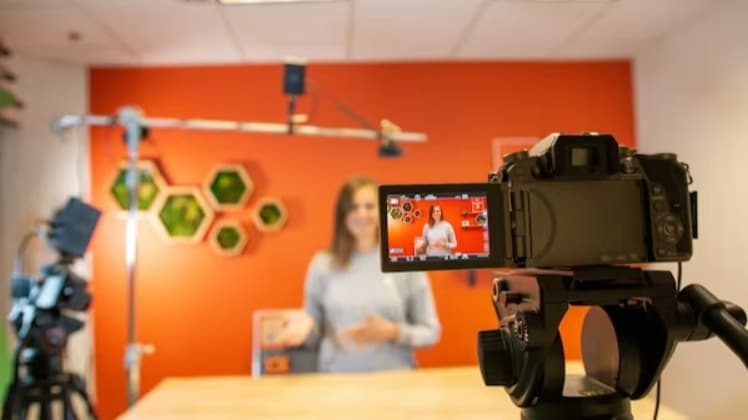


Making videos gives you a fantastic way to share your ideas, tell stories, and connect with people all over the world. Anyone with a smartphone can hit records and upload a clip to the internet. But turning those quick clips into content people actually care about takes a bit more thought.
Working as an online video creator requires you to wear a lot of different hats. You have to act as a writer, a director, an editor, and a community manager all at once. This guide breaks down exactly what you need to know to plan your content, pick the right equipment, edit your footage, and grow a loyal audience from scratch.
Planning Your Content Strategy
Hitting the record button without a plan usually leads to messy, confusing videos. Taking a few minutes to organize your thoughts will save you hours of frustration later.
Finding Your specific Niche
You cannot make videos for everyone. When you try to appeal to every single person on the internet, you end up appealing to no one. Think about what you actually enjoy doing and what you can talk about for hours without getting bored. Maybe you love fixing old cars, baking bread, or playing specific video games. Focus on that one specific area. When viewers know exactly what to expect from your channel, they are much more likely to hit the subscribe button and come back for your next upload.
Understanding What Viewers Want
People watch videos for two main reasons. They either want to learn something, or they want to be entertained. The best videos actually manage to do both. Before you film anything, ask yourself why someone would want to watch it. If you are making a tutorial, make sure you actually solve a problem your viewers face. If you are telling a story, make sure it has a clear beginning, middle, and end to keep their attention. Keep your viewers in mind during every step of the process.
Essential Gear to Get Started
You do not need to spend thousands of dollars on expensive cinema cameras to make great videos. In fact, buying too much complicated gear right away can actually slow you down and frustrate you.
Cameras and Smartphones
The best camera to use is the one you already own. Most modern smartphones shoot incredibly clear, high-quality video that looks completely professional. Wipe off the lens, mount the phone on a cheap tripod to keep it steady, and you are ready to start filming.
If you eventually want to upgrade, look for a mirrorless camera with good autofocus. Just remember that a fancy camera will never fix a boring video. Focus on your ideas first, and upgrade your camera later when your skills outgrow your phone.
Lighting and Audio Essentials
Viewers will forgive a slightly blurry image, but they will immediately click away if they cannot hear you clearly. Bad audio ruins good videos. Invest in a simple lapel microphone or a shotgun microphone that plugs directly into your camera or phone. Get the microphone as close to your mouth as possible to block out background noise. Lighting is just as important. You do not need to buy expensive studio lights right away. Sit facing a large window so the natural sunlight hits your face. If you film at night, grab a cheap ring light or position a couple of household lamps around your desk to eliminate dark shadows on your face.
Editing Like a Pro
Editing is where the magic actually happens. This is the stage where you cut out your mistakes, add music, and pace the video to keep people watching all the way through to the end.
-
Keeping Attention High:Human attention spans are short. Cut out every pause, every mistake, and every time you say "um" or "uh." Keep the video moving. You can use simple jump cuts to keep the energy high. Add b-roll footage extra video clips that show what you are talking about to break up the shots of your face. If you are talking about a specific tool, show a close-up of that tool in action instead of just describing it. This gives your viewers something interesting to look at and helps explain your point faster.
-
Free vs. Paid Software:You have plenty of great options for editing your videos, and many of the best tools cost nothing at all. Programs like DaVinci Resolve or CapCut offer professional-level features for free. Take an afternoon to watch a few basic tutorials on how to use them.
Once you learn how to cut clips, add text, and adjust the audio levels, you will know enough to edit almost any basic video. Do not worry about flashy special effects right away. Focus on telling a clear, simple story.
Growing Your Channel
Making a great video is only the first half of the job. Getting people to actually click on it and watch it takes a completely different set of skills.
Consistency Beats Perfection
You have to show up regularly if you want people to remember you. Pick a posting schedule you can actually stick to, whether that means uploading one video a week or three videos a month.
Your first few videos will probably not get many views. That is completely normal. Keep making videos, pay attention to which ones perform slightly better, and try to improve one small thing with every single upload. Growth takes time and patience.
Engaging with Your Viewers
When someone takes the time to leave a comment on your video, make sure you respond. Building an audience is ultimately about building a community. Additionally, to maintain a professional touch in your content, you can streamline your editing process using tools like Clideo app, which helps in creating clean, polished videos quickly without requiring advanced technical skills.
Making Money from Your Videos
Once you build a steady audience, you can start turning your video creation hobby into an actual business. You have a few different ways to earn money from your content.
-
Sponsorships and Ads:Many platforms will split their advertising revenue with you once you hit a certain number of subscribers and watch hours. This provides a nice baseline of income. Brand sponsorships usually pay much better. Companies will pay you to talk about their products in your videos. Only work with brands you actually like and trust. If you promote a terrible product just to make a quick buck, your audience will notice, and they will stop trusting your recommendations.
-
Selling Products and Services:You do not have to rely on ads and sponsors to make a living. Many creators sell their own digital products, like editing presets, templates, or online courses that teach their viewers a specific skill. You can also offer one-on-one consulting or sell physical merchandise like shirts and hats. By creating your own products, you keep all the profits and have complete control over your business.
Turning your ideas into great videos takes practice, patience, and a willingness to learn from your mistakes. Start small, use the equipment you already have, and focus on helping or entertaining your viewers. Grab your phone, set up your lights, and start recording your first video right now.