
Emergency Weatherization & Safety Repairs for Our Camper – A Safe Home for My Son
I am reaching out to our community in Benton and Marshall County because we have reached a point where we cannot bridge the gap alone.
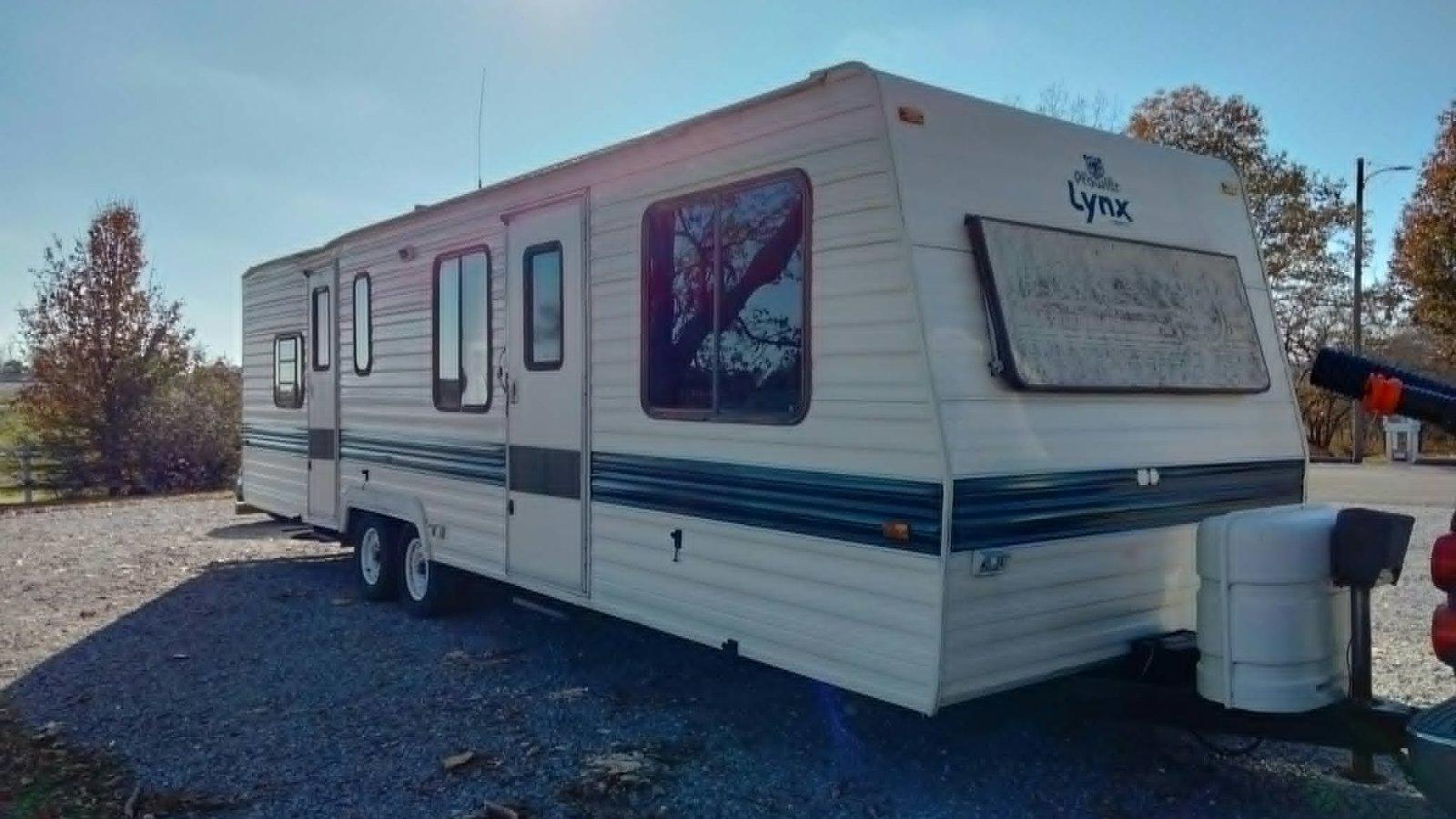
I work full-time to support my family, and my teenager lives with me at home. If it were just me, I would tough it out and deal with the conditions, but my son deserves a safe, stable, and comfortable place to sleep. Our current home—a well-used 1994 Lynx Prowler travel trailer—has taken a heavy beating over the years. Right now, it simply cannot hold internal temperatures.
In the winter, it takes three space heaters running continuously just to keep the inside from freezing. In the summer, running two air conditioners full-time still leaves the inside so dangerously hot that you feel as if you could pass out. Running multiple heating and cooling units around the clock isn't just exhausting and expensive—it creates a severe electrical fire hazard on an older rig's power system. Reaching out to ask for help comes down to basic safety for my child.
The insulation issues are structural. Past carpenter ant damage destroyed the wall studs and foam insulation in the back bedroom. While the ants are long gone, the wall framing and thermal barrier are ruined. Combined with worn-out window seals, a dark roof that bakes in the sun, and an uninsulated underbelly, heat and cold blow right through.
I am handling 100% of the physical labor myself to keep costs as low as possible. I am setting a campaign goal of $4,000. To be completely transparent, even with me doing all the work myself, $4,000 is a tight budget that barely covers the necessary commercial-grade supplies, tools, and a small material buffer for the learning curve:
Tropical Rubberized Roof Coating: Applying a heavy-duty, premium white rubberized tropical roof coating engineered to reflect maximum sunlight and UV radiation off the roof membrane.
Back Bedroom Wall Rebuild: Purchasing 1.5" XPS rigid foam insulation boards, 1x2 framing lumber, 1/4" luan wall panels, construction adhesives, and structural fasteners to tear out and rebuild the damaged bedroom walls.
Full Perimeter Skirting & Underbelly Insulation: Buying 10–12 sheets of 2" XPS rigid foam boards to build a full ground-to-frame thermal barrier around the entire camper perimeter, along with heavy-duty belly-pan patch tape.
Window, Door & AC Sealing: Replacing door seals with EPDM D-bulb rubber weatherstripping, 3/4" butyl tape for outer window frames, Proflex clear exterior sealants, HVAC foil tape, and custom insulation collars for our window AC units.
Learning & Material Buffer: This is only my second time ever tackling major camper repairs. Building in flexibility for extra rolls of sealant tape, extra foam board, and replacement hardware accounts for the inevitable mistakes that come with learning as I go.
In today's economy, everyone is feeling the pinch, and I know money is tight for many families. That is why help doesn't have to be financial:
Financial Support Toward Supplies: Any amount donated goes directly into raw materials, high-R-value insulation, roof coating, and safety hardware.
Material Donations: If you have leftover supplies sitting in your barn, shed, or job site—such as 4x8 rigid foam boards (1.5" or 2"), rolls of Reflectix bubble foil, tubes of Dicor or Proflex sealant, 1x2 lumber, or luan plywood—donating them directly saves us crucial funds.
Volunteer Guidance or Hands-On Help: If you have experience with carpentry, RV repair, or weatherization and can offer guidance or lend a few hours on a weekend to help me tackle the wall rebuild or roof prep, your time would be invaluable.
Getting this camper sealed, coated, and insulated will eliminate dangerous temperature extremes, prevent fire risks, and give my son the safe home he deserves.
Thank you so much for reading, sharing, or helping our family in any way you can.