

Custom CRM development for fundraising platforms helps donation teams keep every supporter, campaign, message, receipt, and follow-up in one clean system. A fundraising page can collect money quickly, but long-term trust depends on what happens after the first gift: whether donors receive updates, whether organizers know who gave, whether beneficiaries are handled carefully, and whether future campaigns start with better information instead of another blank spreadsheet.
How custom CRM development for fundraising platforms supports donor care
Fundraising is personal, even when the technology feels simple. Someone may donate after seeing a medical story, a school campaign, a community project, a memorial fund, or an urgent emergency appeal. That person is not just a payment record. They may become a repeat donor, a campaign sharer, a volunteer, a business sponsor, or the person who gives again when the next need appears.
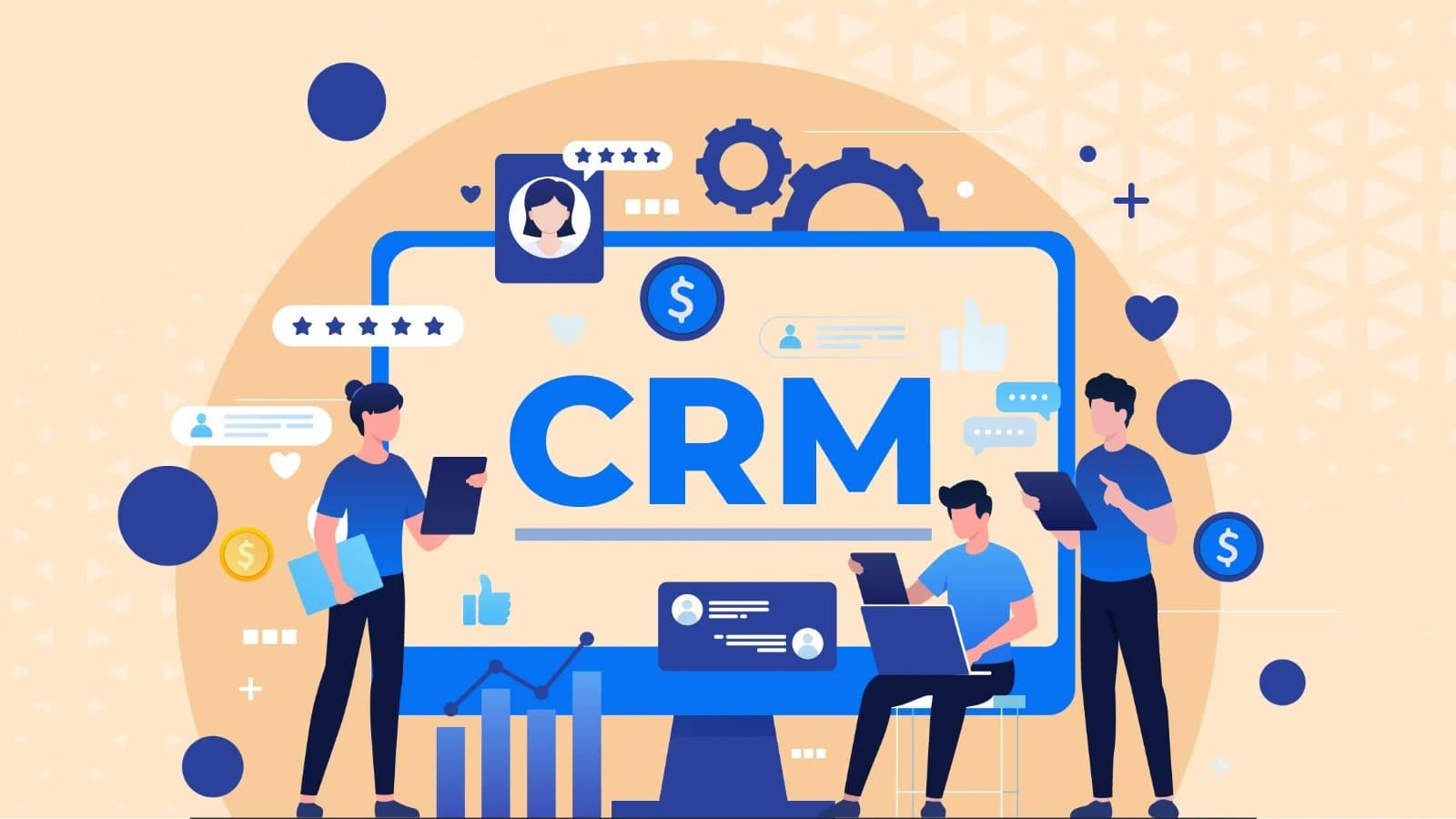
This is where a custom crm development service can fit naturally into fundraising operations. A custom CRM can connect donor profiles, campaign history, payment notes, communication preferences, tax receipt needs, beneficiary details, update reminders, and staff tasks without forcing a nonprofit or campaign team into a generic sales pipeline.
The value is simple: a donor should never feel like the team forgot them after the transaction cleared. When the CRM keeps the full relationship visible, organizers can thank people faster, send better updates, avoid duplicate messages, and understand which campaigns built real community support.
Why donor data becomes messy without a custom CRM
Many fundraising teams begin with tools that work well enough at the start. A payment export goes into a spreadsheet. Email lists sit in one platform. Volunteer notes live in a shared document. Campaign updates are drafted in someone’s inbox. One staff member manages beneficiary information and is very familiar with the story.
That setup breaks down as soon as volume increases. A single campaign may be manageable. Ten active campaigns across different causes, teams, and beneficiaries create a much bigger coordination problem. Donors may give more than once, use different emails, support related campaigns, request receipts, ask privacy questions, or need a personal follow-up after a larger contribution.
Custom CRM development for fundraising platforms solves this by giving the data a proper home. The system can match donors across campaigns, flag incomplete records, separate one-time donors from recurring supporters, and show campaign managers what needs action today.
Fundraising problem
CRM answer
Donor records scattered across tools
One profile with gift history and notes
Missed thank-you messages
Automated reminders and task queues
Duplicate supporters
Matching rules and record cleanup
Weak campaign reporting
Dashboards by cause, channel, and date
Sensitive beneficiary details
Role-based access and audit records
Building the full donation journey into the system
A good fundraising CRM should follow the same path a real supporter takes. Most people do not arrive as a clean line in a database. They might first notice a QR code at a local event, tap a link from a friend’s post, get a text about an urgent campaign, read an update about someone’s story, or hear about the cause through their community. The donation page is only one moment in that relationship.
After someone gives, they still have work to do. They may expect a receipt, a sincere thank-you, a short update when the campaign reaches a milestone, or a reminder later if the cause still needs support. When all of that history stays in one place, the team can follow up with more care and less guesswork. The CRM helps organizers remember the person behind the gift, not just the amount they donated.
A strong CRM turns that journey into usable information. It can show where donors came from, which campaign moved them, whether they gave once or monthly, and whether they responded to follow-up messages. That gives fundraising teams a better way to plan without guessing.
The most useful journey stages to track are:
Campaign discovery through social, email, text, QR, partner pages, or events.
Donation completion, payment status, and receipt delivery.
Donor thank-you activity and personal follow-up.
Campaign updates after milestones or urgent changes.
Repeat giving, recurring donations, and future campaign invitations.
Custom CRM development for fundraising platforms and campaign teams
Fundraising campaigns rarely depend on one person. Even a small community campaign can involve an organizer, a beneficiary, family members, volunteers, social media helpers, and someone handling updates. Larger nonprofit campaigns may involve board members, donor relations staff, finance teams, event coordinators, and marketing support.
Custom CRM development for fundraising platforms can give each person the right view of the work. A campaign organizer may need donor comments and update reminders. A finance team may need payout records and receipt status. A volunteer may need assigned outreach tasks but no access to private beneficiary notes. A nonprofit director may need a clean dashboard that shows campaign totals and donor retention.
What each team member needs to see
Role-based access keeps fundraising organized and safer. It also reduces confusion by limiting data to what’s relevant to their work.
Team role
Useful CRM view
Campaign organizer
Donor list, updates, comments, thank-you tasks
Finance lead
Payments, receipts, payouts, reconciliation
Volunteer coordinator
Outreach tasks, event lists, supporter notes
Nonprofit director
Campaign totals, donor retention, major gifts
Beneficiary support team
Approved contact details and secure notes
Automating fundraising tasks without making donors feel processed
Automation can help fundraising teams, but they must use it carefully. Donors can feel the difference between a thoughtful update and a cold template. The best systems automate timing and admin while leaving room for human language, judgment, and care.
For example, a CRM can send an instant receipt, remind a staff member to call a major donor, flag a campaign that has not posted an update in two weeks, or create a task when a recurring payment fails. Those actions save time, but they still support real relationship-building.
Fundraising teams usually benefit from automation around:
Receipts and payment confirmations.
Thank-you message reminders.
Campaign progress updates.
Recurring donor follow-ups.
Failed payment alerts.
Event attendee lists.
Volunteer outreach tasks.
Sponsor communication records.
Reporting that helps fundraising teams make better decisions
Good reporting should answer practical questions without sending staff into hours of spreadsheet cleanup. Which campaigns bring people back? Which sharing channels work best? Which donors have become monthly supporters? Which causes receive fast early support but weak follow-up giving? Which campaigns need a better update schedule?
A custom CRM can turn daily activity into usable reporting. It can track campaign performance by cause, location, source, donor type, giving frequency, update activity, and follow-up completion. These views help teams plan the next campaign with more confidence.
For fundraising leaders, useful reports include:
Report type
What it shows
Donor retention
Who gives again and after which campaigns
Campaign source
Where donations came from
Update activity
Which campaigns communicate consistently
Recurring giving
Monthly donors, failed payments, renewals
Major donor follow-up
Larger gifts that need personal attention
Choosing the right CRM build for a fundraising platform
No fundraising platform should build a CRM from a feature wishlist alone. The better starting point is the real workflow: how campaigns are created, how donors give, how beneficiaries are verified, how updates are sent, how receipts are handled, and how staff follow up after the campaign slows down.
Before building, teams should ask:
Which donor details must be visible across campaigns?
Which information should stay private or role-limited?
What happens after a donation is completed?
Which updates are often delayed or forgotten?
How are recurring donors handled?
Which payment, email, SMS, website, and analytics tools must connect?
What reports are needed weekly, monthly, and after each campaign?
A stronger operating base for fundraising growth
Custom CRM development for fundraising platforms gives donation teams the structure they need without draining the warmth from donor relationships. It keeps supporter history visible, protects sensitive details, organizes follow-up, and helps campaign teams understand what is working.
For nonprofits, community groups, schools, churches, emergency fundraisers, and cause-based platforms, the result is a calmer operating base. Donors get thanked. Beneficiaries are handled with care. Campaigns are easier to compare. Staff waste less time chasing records. Leaders can see the health of the fundraising effort before the next appeal begins.
The best fundraising technology still feels human. It helps people give, helps teams respond, and helps causes grow with more clarity. That is why custom CRM development for fundraising platforms can become such a practical step for organizations that want to raise more support without losing the personal connection that made people care in the first place.