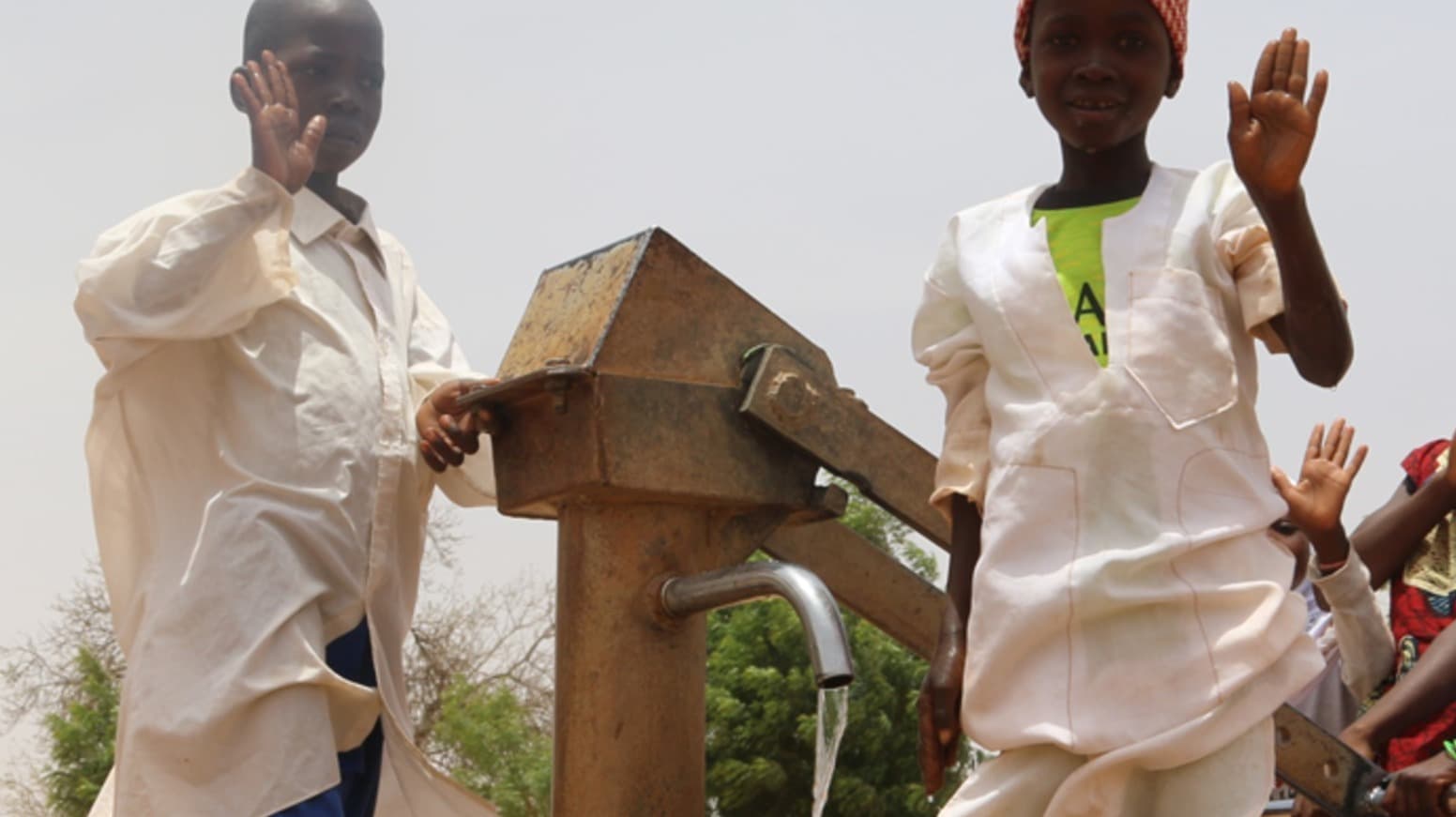


About 60% of the human body and 71% of the Earth are made up of water. However, only 2.5% of the water on Earth is fresh water—that is, drinkable and usable. This already limited amount of water has nearly reached the point of depletion due to factors such as climate change, industrialization, agriculture, and population growth. Rivers are drying up, lakes are shrinking, and groundwater resources are decreasing day by day.
Today, 2.2 billion people around the world lack access to clean and safe water. Especially in rural areas of Africa and Asia, millions of people are forced to use contaminated water sources. This situation causes 485,000 people to lose their lives each year due to diseases caused by unsafe water.
While children have to walk kilometers to carry water instead of going to school, women spend hours of their day trying to reach unsafe water sources. It is exactly at this point that water well projects become a ray of hope for these people.
English translation:
Drilling a water well in Africa is a sacred step that ends thirst and transforms lives. As Beyazgül Association, we implement these projects in the most transparent and effective way. The cost and duration of drilling a water well depend on many variables. Regional conditions—such as the prices of materials and labor—vary from country to country or even from region to region. The depth from which water is extracted also directly affects the cost; naturally, deeper wells require more resources. The geological structure of the land is another important factor; rocky grounds require more challenging and expensive drilling compared to sandy or soil-rich areas. Finally, the drilling technique used is also a key factor in determining costs. As volunteers, we ensure that every donation is used as efficiently as possible, providing sustainable solutions to communities in Africa.