
Spotfund logo
Spotfund logo
Start Fundraising
PricingContact SupportStart Fundraising

Fundraise for

  • Medical Fundraising
  • Emergency Fundraising
  • Memorial Fundraising
  • Education Fundraising
  • Nonprofit Fundraising
  • Animal Fundraising
  • Community Fundraising

Featured topics

  • Easy Fundraising Ideas for Individuals
  • Creative Fundraiser Dinner Ideas
  • Raising Money for Medical Expenses
  • *spotfund for NIL Collective Fundraising
  • Giving Tuesday Fundraising 2025NEW

Trending in

  • Medical
  • Memorial
  • Emergency
  • Nonprofit
  • Family
  • Sports
  • Business

Featured topics

  • *spotfund as a Recurring Donation Solution
  • Matching Gift CampaignsPOPULAR
  • Why Recurring Donations Are Important for Nonprofits
  • How it works
  • Common questions
  • Success stories
  • For brands and nonprofits
  • How do I withdraw money?
  • *spotfund blog
  • Reviews from people like you
  • Compare *spotfund to others

*WhyModernStudentsAreTurn

Beveled Asterisk
WhyModernStudentsAreTurn

Fundraising for

Unitedfordiego

Fundraising forUnitedfordiego
John Smith

John Smith

Georgia

$0of $1 goal
0
Donors
0
Comments
1Share Arrow
Shares
Donation protected
👍 0% fee
Donations are tax-deductible

Why Modern Students are Turning to Academic Consultancies to Save Their Mental Health

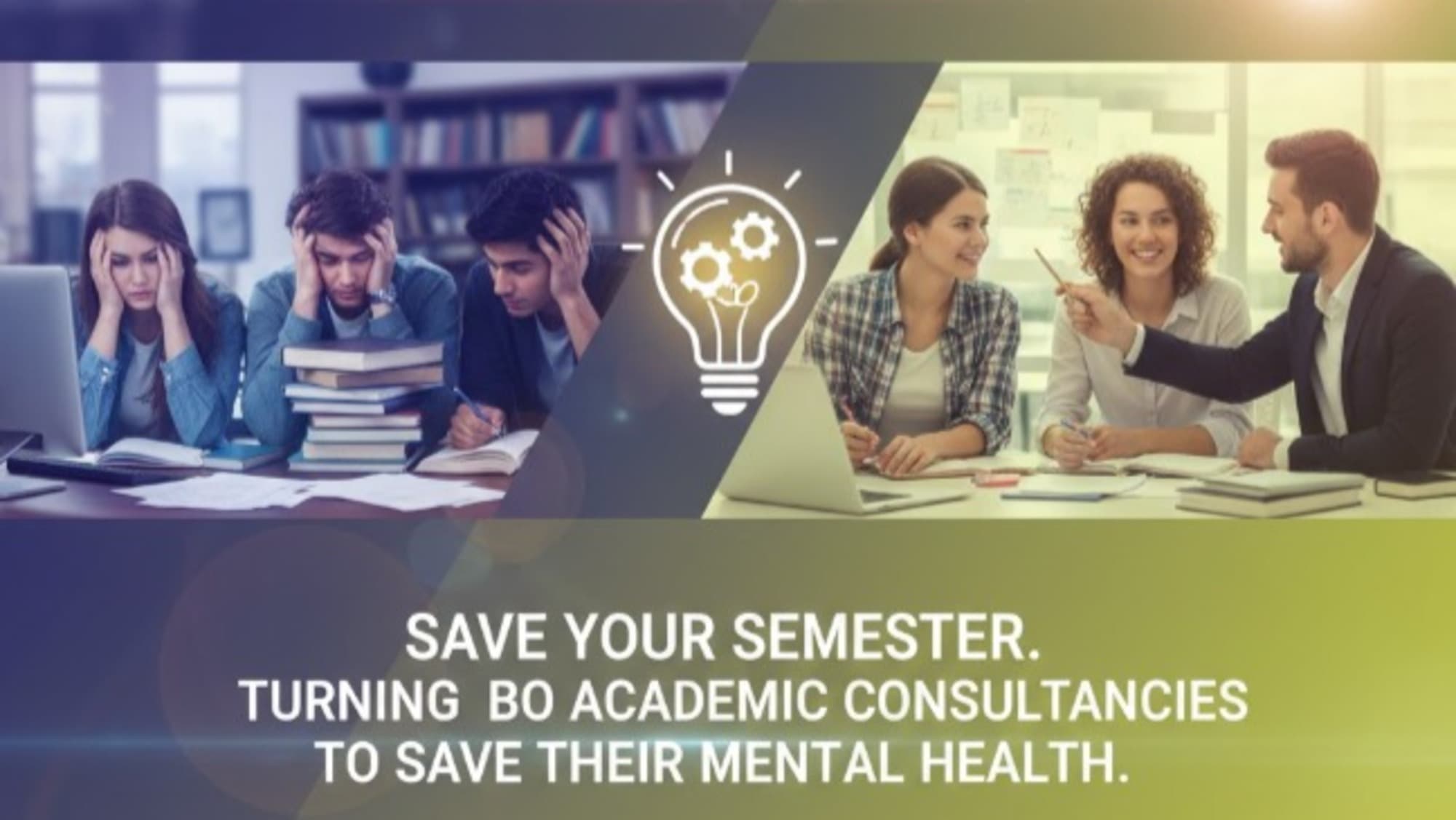
The image of the "starving student" has shifted into something far more concerning in 2026. Today, the average American college student isn’t just hungry for knowledge; they are starving for time and gasping for mental clarity. The university experience, once a focused period of intellectual growth, has transformed into a high-stakes endurance test where the finish line is constantly moving. Between rising tuition costs, the pressure to maintain a perfect GPA for scholarships, and the need to work part-time (or full-time) jobs, the "standard" workload has become unsustainable.

This environment has led to a major cultural shift in how students approach their degrees. Rather than trying to do everything alone—a path that often leads to burnout and clinical anxiety—students are adopting a "project management" mindset. They are looking at their semester as a series of deliverables. To stay afloat, many are seeking out specialized finance assignment help through established educational platforms like myassignmenthelp to ensure their technical work is accurate without sacrificing their sanity. By delegating specific, high-stress tasks to professionals, students are reclaiming the time they need to sleep, work their shifts, and maintain their social connections—all of which are vital for long-term mental health.

The 2026 Reality: A Perfect Storm of Stress

Why is it harder to be a student now than it was twenty years ago? The answer lies in the "Digital Overload." Professors now expect a level of polish and data integration that was previously reserved for graduate-level work. Students are expected to master complex software, cite dozens of peer-reviewed sources for every minor paper, and stay updated on real-time global trends.

When you add the "always-on" nature of social media, where students constantly compare their progress to others, you get a recipe for a mental health crisis. Academic consultancies have stepped into this gap, not as a way to "avoid" learning, but as a support system that mirrors the professional world. In the workplace, a manager delegates tasks to experts; in 2026, the modern student is doing the exact same thing to protect their most valuable asset: their brain.

The Cognitive Cost of Decision Fatigue

Every hour a student spends staring at a blank screen, paralyzed by the fear of failure, is an hour of "cognitive drain." This fatigue doesn't stay in the classroom; it follows them to their jobs and their homes. It affects how they eat, how they interact with their families, and how they view their own potential.

For those in technical fields like business or economics, the start of a project is often the most painful part. Finding a unique angle that hasn't been covered a thousand times is exhausting. This is why many successful students now look for pre-vetted finance research topics to help narrow their focus and jumpstart their brainstorming process. Having a clear direction from the start reduces the "startup friction" that often leads to procrastination and late-night panic attacks.

4. Moving Beyond the "Cheating" Stigma

For a long time, there was a heavy stigma around getting external help. However, as the American education system has become more expensive and demanding, that stigma is evaporating. Students today see academic consultancies as a form of "high-end tutoring."

If a student uses a consultancy to understand the structure of a complex dissertation, they aren't just getting a paper; they are getting a masterclass in academic writing. They see how arguments are built, how data is presented, and how professional citations are formatted. This "model-based learning" is often more effective than sitting in a lecture hall with 300 other people where the professor doesn't even know your name.

The Economic Case for Academic Support

We have to talk about the money. In 2026, the cost of failing a single course can be thousands of dollars—not to mention the loss of financial aid or scholarships. For a student who is crowdfunding their tuition on platforms like Spotfund, the stakes are even higher. They aren't just responsible to themselves; they are responsible to the community that supported them.

In this context, hiring a consultant is an "insurance policy" for their education. It’s an investment that ensures the money spent on tuition doesn't go to waste because of a single overwhelming semester. By spending a small amount on support today, students save themselves from the massive debt of a "retake" tomorrow.

Sleep: The Forgotten Ingredient of Academic Success

One of the most immediate benefits of using a consultancy is the restoration of the sleep cycle. Science has proven that a brain without sleep cannot retain information. Yet, the "grind culture" of universities often treats all-nighters like a badge of honor.

When a student delegates a time-consuming research task or a complex formatting job to a professional, they are essentially "buying" 6 to 8 hours of sleep. Those hours of rest allow them to show up to their morning exams with a sharp mind, leading to better performance across the board. It’s a holistic approach to education: you can’t have a healthy mind if you have an exhausted body.

A Balanced Future for Higher Education

As we move further into the decade, the definition of a "successful student" is changing. It is no longer the person who suffers the most; it is the person who manages their resources most effectively. Academic consultancies are becoming a standard part of the educational toolkit, right alongside AI research tools and digital libraries.

By embracing these services, students are taking a stand for their mental health. They are saying that their worth is not defined by how much stress they can endure, but by the quality of the knowledge they gain and the stability of their mental well-being.


Frequently Asked Questions


Why is external academic support becoming a global trend? 

The modern curriculum has become increasingly dense. When combined with the need for part-time work, many students find that delegating specific technical tasks is the only way to manage a heavy workload without sacrificing their health.

Does seeking guidance negatively affect the learning process? 

Actually, it often enhances it. By reviewing professionally structured work, students gain a clearer understanding of complex formatting and research standards that are often glossed over in large, crowded lecture halls.

How does professional support improve mental well-being? 

It acts as a strategic safety valve. By reducing "deadline fatigue" and the panic of a blank page, students can maintain a healthier sleep schedule and lower their overall cortisol levels during finals week.

What should I look for in a reliable educational resource? 

A high-quality resource focuses on original research, maintains transparent communication, and provides clear, evidence-based insights that help the student master the subject matter independently.


About the author

Ella Thompson is a writer and researcher dedicated to highlighting the intersection of academic success and mental health. As a contributor to MyAssignmentHelp, they specialize in creating resources that help modern students navigate financial hurdles and workload burnout through strategic academic support.

Smiley Face

Be the first to donate and pin
your name here   📌

Organizer

John Smith

Show your support to John Smith by donating to this fundraiser benefiting Unitedfordiego

Beveled Asterisk
WhyModernStudentsAreTurn
John Smith

John Smith

Georgia

Fundraising for

Unitedfordiego

Fundraising forUnitedfordiego
Donation protected
👍 0% fee
Donations are tax-deductible

Why Modern Students are Turning to Academic Consultancies to Save Their Mental Health

The image of the "starving student" has shifted into something far more concerning in 2026. Today, the average American college student isn’t just hungry for knowledge; they are starving for time and gasping for mental clarity. The university experience, once a focused period of intellectual growth, has transformed into a high-stakes endurance test where the finish line is constantly moving. Between rising tuition costs, the pressure to maintain a perfect GPA for scholarships, and the need to work part-time (or full-time) jobs, the "standard" workload has become unsustainable.

This environment has led to a major cultural shift in how students approach their degrees. Rather than trying to do everything alone—a path that often leads to burnout and clinical anxiety—students are adopting a "project management" mindset. They are looking at their semester as a series of deliverables. To stay afloat, many are seeking out specialized finance assignment help through established educational platforms like myassignmenthelp to ensure their technical work is accurate without sacrificing their sanity. By delegating specific, high-stress tasks to professionals, students are reclaiming the time they need to sleep, work their shifts, and maintain their social connections—all of which are vital for long-term mental health.

The 2026 Reality: A Perfect Storm of Stress

Why is it harder to be a student now than it was twenty years ago? The answer lies in the "Digital Overload." Professors now expect a level of polish and data integration that was previously reserved for graduate-level work. Students are expected to master complex software, cite dozens of peer-reviewed sources for every minor paper, and stay updated on real-time global trends.

When you add the "always-on" nature of social media, where students constantly compare their progress to others, you get a recipe for a mental health crisis. Academic consultancies have stepped into this gap, not as a way to "avoid" learning, but as a support system that mirrors the professional world. In the workplace, a manager delegates tasks to experts; in 2026, the modern student is doing the exact same thing to protect their most valuable asset: their brain.

The Cognitive Cost of Decision Fatigue

Every hour a student spends staring at a blank screen, paralyzed by the fear of failure, is an hour of "cognitive drain." This fatigue doesn't stay in the classroom; it follows them to their jobs and their homes. It affects how they eat, how they interact with their families, and how they view their own potential.

For those in technical fields like business or economics, the start of a project is often the most painful part. Finding a unique angle that hasn't been covered a thousand times is exhausting. This is why many successful students now look for pre-vetted finance research topics to help narrow their focus and jumpstart their brainstorming process. Having a clear direction from the start reduces the "startup friction" that often leads to procrastination and late-night panic attacks.

4. Moving Beyond the "Cheating" Stigma

For a long time, there was a heavy stigma around getting external help. However, as the American education system has become more expensive and demanding, that stigma is evaporating. Students today see academic consultancies as a form of "high-end tutoring."

If a student uses a consultancy to understand the structure of a complex dissertation, they aren't just getting a paper; they are getting a masterclass in academic writing. They see how arguments are built, how data is presented, and how professional citations are formatted. This "model-based learning" is often more effective than sitting in a lecture hall with 300 other people where the professor doesn't even know your name.

The Economic Case for Academic Support

We have to talk about the money. In 2026, the cost of failing a single course can be thousands of dollars—not to mention the loss of financial aid or scholarships. For a student who is crowdfunding their tuition on platforms like Spotfund, the stakes are even higher. They aren't just responsible to themselves; they are responsible to the community that supported them.

In this context, hiring a consultant is an "insurance policy" for their education. It’s an investment that ensures the money spent on tuition doesn't go to waste because of a single overwhelming semester. By spending a small amount on support today, students save themselves from the massive debt of a "retake" tomorrow.

Sleep: The Forgotten Ingredient of Academic Success

One of the most immediate benefits of using a consultancy is the restoration of the sleep cycle. Science has proven that a brain without sleep cannot retain information. Yet, the "grind culture" of universities often treats all-nighters like a badge of honor.

When a student delegates a time-consuming research task or a complex formatting job to a professional, they are essentially "buying" 6 to 8 hours of sleep. Those hours of rest allow them to show up to their morning exams with a sharp mind, leading to better performance across the board. It’s a holistic approach to education: you can’t have a healthy mind if you have an exhausted body.

A Balanced Future for Higher Education

As we move further into the decade, the definition of a "successful student" is changing. It is no longer the person who suffers the most; it is the person who manages their resources most effectively. Academic consultancies are becoming a standard part of the educational toolkit, right alongside AI research tools and digital libraries.

By embracing these services, students are taking a stand for their mental health. They are saying that their worth is not defined by how much stress they can endure, but by the quality of the knowledge they gain and the stability of their mental well-being.


Frequently Asked Questions


Why is external academic support becoming a global trend? 

The modern curriculum has become increasingly dense. When combined with the need for part-time work, many students find that delegating specific technical tasks is the only way to manage a heavy workload without sacrificing their health.

Does seeking guidance negatively affect the learning process? 

Actually, it often enhances it. By reviewing professionally structured work, students gain a clearer understanding of complex formatting and research standards that are often glossed over in large, crowded lecture halls.

How does professional support improve mental well-being? 

It acts as a strategic safety valve. By reducing "deadline fatigue" and the panic of a blank page, students can maintain a healthier sleep schedule and lower their overall cortisol levels during finals week.

What should I look for in a reliable educational resource? 

A high-quality resource focuses on original research, maintains transparent communication, and provides clear, evidence-based insights that help the student master the subject matter independently.


About the author

Ella Thompson is a writer and researcher dedicated to highlighting the intersection of academic success and mental health. As a contributor to MyAssignmentHelp, they specialize in creating resources that help modern students navigate financial hurdles and workload burnout through strategic academic support.
Organizer

John Smith

Show your support to John Smith by donating to this fundraiser benefiting Unitedfordiego

$0of $1 goal
0Donors
0Comments
1Share ArrowShares
Smiley Face

Be the first to donate and pin
your name here   📌

★★★★★ Trustpilot Reviews

Ready to start?

Join the thousands like you finding help on *spotfund.

Start FundraisingHow it works
Spotfund Balloons