

Hello Everyone!!
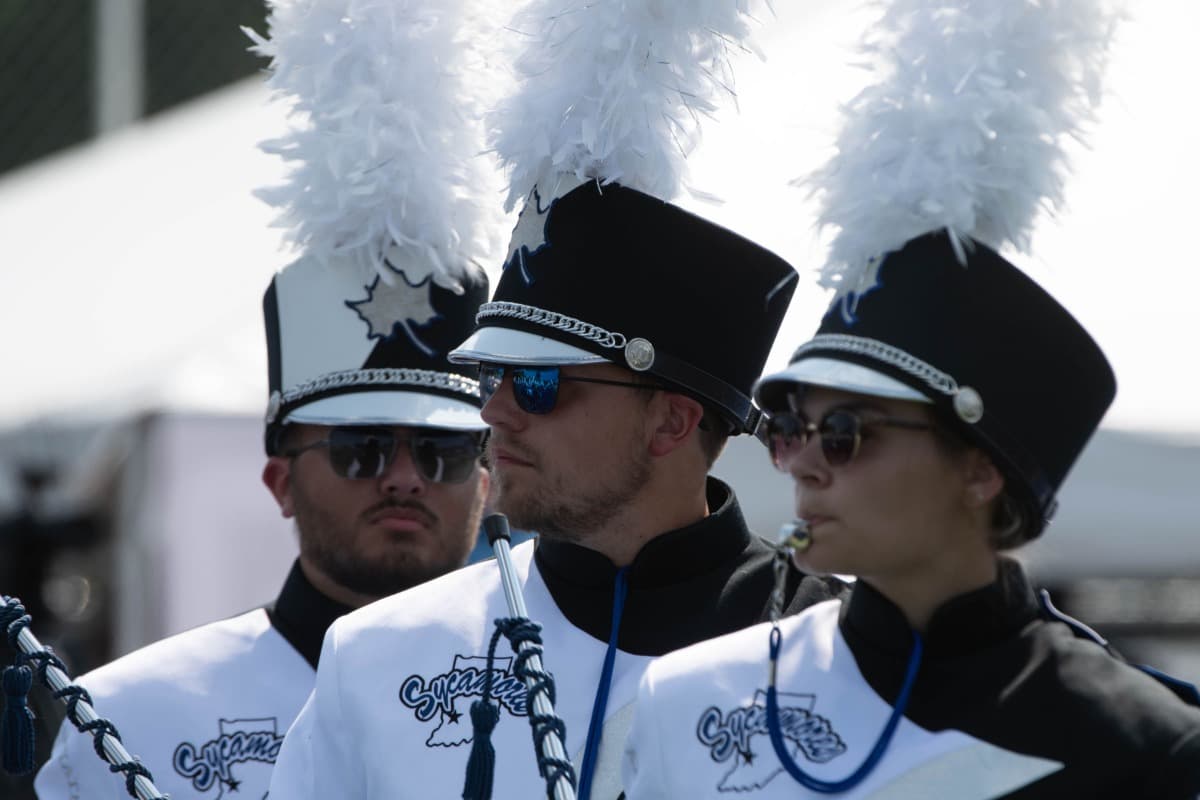
My name is Morgen Tillema and I am a junior at Indiana State University (ISU) in Terre Haute, IN. I am majoring in Music Education with an emphasis in Instrumental Music. I am a Dean’s List and Honors student and perform with the ISU Wind Orchestra, the Marching Sycamores, and the ISU Saxophone Quartet.
As you all may know, I am grateful and blessed to be able to put myself through college completely on my own due to my scholarship oppotunities that I have been given. However, due to my extreme schedule as a music student, it is difficult to obtain many funds outside from paying for my schooling and working full time over breaks. This is the last trip abroad that the music school is doing in my time here at ISU, so this is my final opportunity to travel! This trip will be to various locations in France, Italy, and Switzerland, and it is a once in a lifetime experience that I do not want to pass up.
Studying abroad is often one of the most challenging and exciting experiences that students encounter during their college careers. Western Europe in particular is an important location associated with the history and development of the classical music since the Middle Ages. Europe is unparalleled in its opera houses, museums, and theaters, which are as famous today as they were centuries ago when it was home to great composers such as Antonio Vivaldi, Claudio Monteverdi, Barbara Strozzi, Richard Wagner, Gioachino Rossini, Giacomo Meyerbeer, Hector Berlioz, Igor Stravinsky, Claude Debussy, and Maurice Ravel, to name but a few. Each of these figures factor prominently in the historical study of Western music. The purpose of this study abroad is to provide students an opportunity to experience the cities and cultures associated with the masterworks they study in the music history classroom. Unfortunately, the stringent nature of the course rotation prevents most music students from completing a semester-long study abroad during the regular academic year or summer. Nevertheless, international travel experiences help to enrich students’ perceived understanding of music history and inform their worldviews.