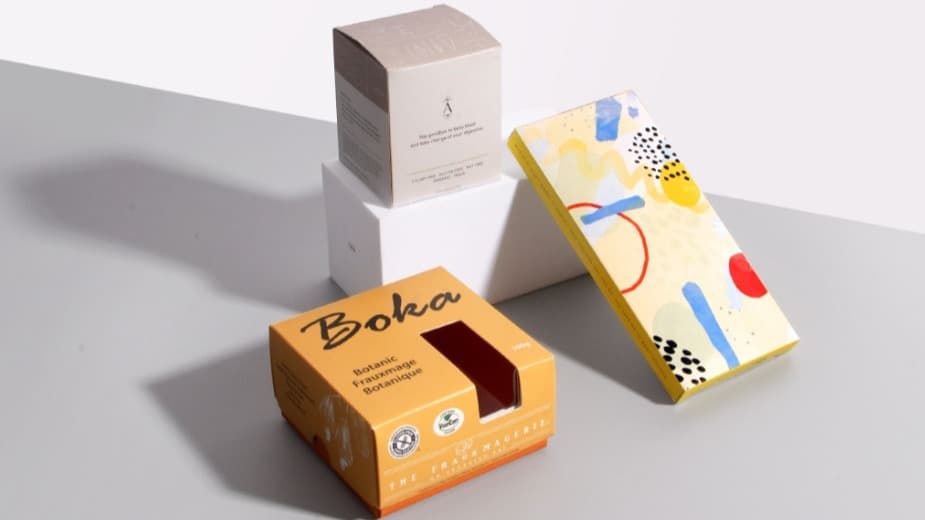


Consumer attitudes toward sustainability have shifted dramatically over the past few years. What was once a niche concern has become a mainstream expectation. Customers across industries are actively seeking brands that demonstrate a genuine commitment to environmental responsibility, and packaging is one of the most visible ways that commitment is expressed.
For growing brands, sustainable packaging is no longer just an ethical choice. It is a strategic business decision that affects customer acquisition, brand positioning, and long-term profitability.
What Customers Actually Expect From Sustainable Packaging
The definition of sustainable packaging has evolved beyond simply using recycled materials. Today's environmentally conscious consumer expects a holistic approach that considers the full lifecycle of the packaging. This includes the materials used in production, the environmental impact of the printing process, the recyclability or compostability of the finished package, and the reduction of excess packaging weight and volume.
Brands that address all of these dimensions in their packaging strategy are able to communicate a credible sustainability story. Brands that make a single token gesture, such as switching to kraft exterior color while maintaining non-recyclable lamination, often find that informed consumers see through it.
Authentic sustainable packaging requires real decisions about materials and processes, not just aesthetic choices that look eco-friendly without actually being so.
Food Packaging and Sustainability Standards
The food industry faces particularly high scrutiny around packaging sustainability because food packaging is consumed in large volumes and often ends up in waste streams that have significant environmental impact. Food brands that proactively address this through their packaging choices gain a meaningful advantage with sustainability-conscious consumers.
Custom Food Boxes produced from FSC-certified materials, printed with water-based inks, and designed to minimize excess material use meet the sustainability expectations of this growing consumer segment. They also position the brand favorably with retailers who are increasingly evaluating supplier sustainability credentials as part of their buying decisions.
Urgent Custom Boxes offers food packaging options using sustainable materials with full food-safe compliance, allowing food brands to meet both the safety and sustainability requirements of their market without compromise.
Flexible Packaging and Environmental Responsibility
Flexible packaging presents a more complex sustainability challenge than rigid paper-based packaging because multi-layer film structures are often difficult to recycle through standard consumer recycling streams. However, advances in mono-material film construction and the growth of specialized flexible packaging recycling programs have made it possible to offer flexible packaging options with genuinely improved environmental credentials.
Custom Mylar Bags produced with recyclable or reduced-plastic construction options allow brands to maintain the barrier performance that flexible packaging provides while making meaningful progress toward their sustainability goals. For brands where flexible packaging is the most appropriate format for their product, this approach offers a responsible path forward.
Urgent Custom Boxes works with brands to identify the most sustainable flexible packaging options available for their specific product requirements, balancing barrier performance, cost efficiency, and environmental impact across the available material choices.
The Business Case Beyond Ethics
The commercial argument for sustainable packaging extends well beyond brand ethics. Retail chains are actively implementing sustainability requirements for their suppliers. Major retailers in North America, Europe, and increasingly in Asia-Pacific markets are requiring packaging sustainability certifications and measurable environmental improvements from the brands they carry.
Brands that have already built sustainable packaging practices are positioned to meet these requirements immediately. Brands that have not face the prospect of rushed and potentially costly packaging changes to maintain retail relationships. Building sustainability into the packaging strategy now is significantly less disruptive and expensive than retrofitting it later under external pressure.
Consumer purchasing data also consistently shows a pricing premium for products from brands perceived as genuinely sustainable. Customers who prioritize environmental responsibility are willing to pay more for products that align with their values, which means sustainable packaging can directly support a premium pricing strategy.
Making the Transition Practical
The most common barrier to sustainable packaging adoption is uncertainty about where to start. Brands often feel overwhelmed by the range of options and the technical complexity of material choices. The most practical approach is to identify the single most impactful change available, implement it, communicate it clearly to customers, and then continue building from there.
Urgent Custom Boxes supports brands through this transition by providing clear guidance on material options, sustainability certifications, and the practical implications of different packaging choices. The goal is to make sustainable packaging accessible and actionable for growing brands at every scale, not just for large enterprises with dedicated sustainability teams.