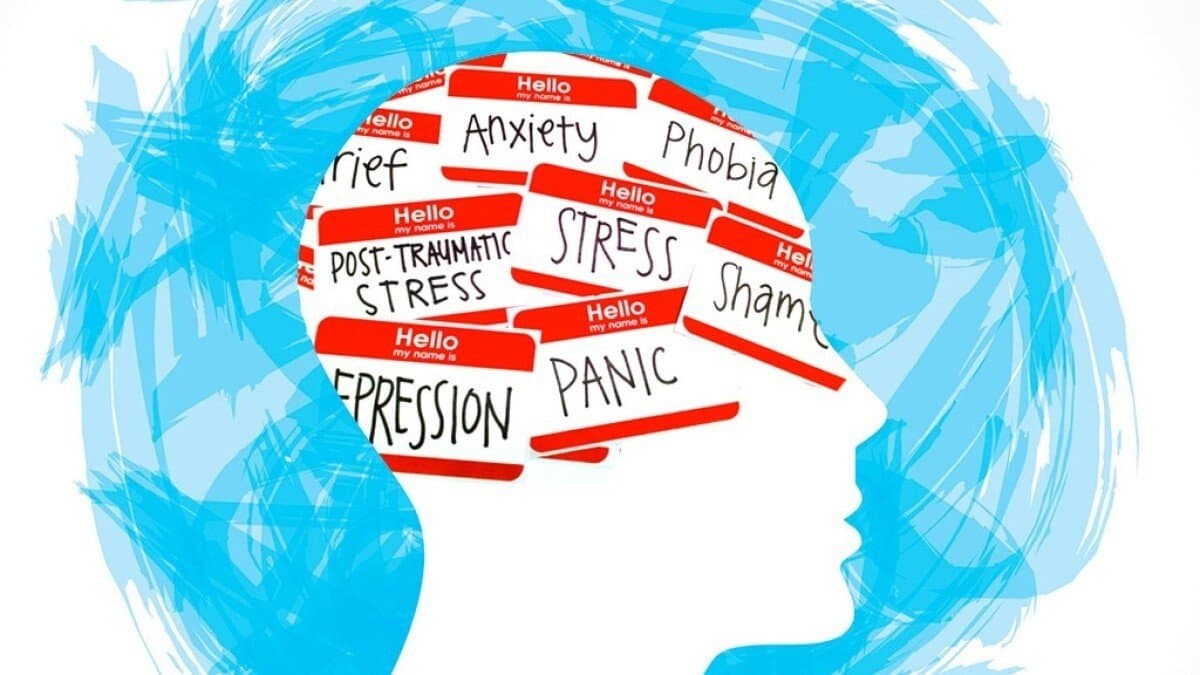


Mental health is a fundamental component of overall well-being, influencing how people think, feel, behave, and interact with others. In recent years, Mental health service awareness surrounding mental health has grown significantly, encouraging more individuals to seek support and professional guidance when facing emotional or psychological challenges. This increased awareness has highlighted the importance of Mental Health Services in Maryland, which provide valuable resources for individuals, families, and communities seeking to improve their quality of life.
Every person encounters challenges throughout life, whether related to work, education, relationships, finances, or personal circumstances. While many individuals can manage occasional stress and setbacks, others may experience difficulties that require professional support. Access to Mental Health Services in Maryland allows residents to receive assistance tailored to their specific needs, helping them navigate complex situations and work toward positive outcomes.
Mental health support extends beyond addressing severe conditions. Many people seek assistance for everyday concerns such as anxiety, stress management, relationship issues, self-esteem challenges, and life transitions. By offering a wide range of services, Mental Health Services in Maryland help individuals develop coping strategies, improve emotional resilience, and strengthen their ability to handle future challenges.
One of the key benefits of professional mental health care is the opportunity for individuals to speak openly in a supportive and confidential environment. Trained professionals provide guidance and evidence-based approaches designed to help clients better understand their emotions and behaviors. Through counseling and therapy, people can gain valuable insights that contribute to personal growth and long-term well-being. This supportive approach is a cornerstone of Mental Health Services in Maryland.
Mental health concerns can affect people regardless of age, background, or socioeconomic status. Children may struggle with behavioral or developmental challenges, teenagers may face academic and social pressures, and adults often manage responsibilities related to careers and family life. Older adults may encounter issues such as loneliness, grief, or major life changes. The diversity of Mental Health Services in Maryland helps ensure that people across all stages of life have access to appropriate care and support.
The connection between mental and physical health is another important consideration. Research consistently demonstrates that emotional well-being can influence physical health outcomes. Chronic stress, anxiety, and depression may contribute to sleep disturbances, reduced energy levels, and other health concerns. By addressing psychological needs, Mental Health Services in Maryland support a more holistic approach to health and wellness.
Families often benefit when one or more members receive mental health support. Strong communication, healthy boundaries, and emotional understanding contribute to positive family dynamics. Family counseling and related services can help resolve conflicts, strengthen relationships, and foster a more supportive home environment. These benefits highlight the broader impact of Mental Health Services in Maryland on household stability and emotional well-being.
Schools and educational institutions also recognize the importance of mental health support. Students frequently encounter academic pressures, social challenges, and developmental changes that can affect emotional health. Access to mental health resources can help students improve focus, build confidence, and manage stress more effectively. The availability of Mental Health Services in Maryland supports educational success by promoting healthier learning environments.
Workplace wellness has become another area of growing interest. Employers increasingly understand that mental well-being influences productivity, job satisfaction, and employee retention. Mental health support can help individuals manage workplace stress, maintain motivation, and improve professional performance. As a result, Mental Health Services in Maryland play an important role in supporting both employees and organizations.
Community engagement is also strengthened when mental health resources are accessible. Individuals who receive appropriate support are often better equipped to participate in social activities, volunteer efforts, and community initiatives. Healthy communities benefit from stronger relationships, increased cooperation, and improved overall well-being. The positive impact of Mental Health Services in Maryland extends beyond individual clients and contributes to broader social development.
Technology has expanded opportunities for accessing care. Telehealth services have made it easier for individuals to connect with mental health professionals regardless of location. Virtual appointments offer convenience and flexibility, particularly for people with transportation challenges or demanding schedules. Many providers offering Mental Health Services in Maryland have incorporated digital solutions to improve accessibility and meet the evolving needs of clients.
Reducing stigma remains an important goal within the field of mental health. For many years, misconceptions and social barriers discouraged people from seeking support. Today, greater public awareness has encouraged open conversations about emotional well-being and the importance of professional care. As more individuals recognize the value of treatment, Mental Health Services in Maryland continue to play a key role in fostering acceptance and understanding.
Prevention is another important aspect of mental health care. Developing healthy coping skills, maintaining strong social connections, and addressing concerns early can help prevent more serious difficulties from developing over time. Preventive approaches emphasize the importance of proactive care rather than waiting until challenges become overwhelming. Through education and support, Mental Health Services in Maryland encourage individuals to prioritize their mental wellness.
Cultural awareness and inclusivity are increasingly recognized as essential components of effective care. People from diverse backgrounds may have different experiences, values, and perspectives that influence their mental health needs. Providers strive to create supportive environments that respect individual differences and promote equitable access to care. The continued development of Mental Health Services in Maryland reflects a commitment to serving diverse communities with compassion and understanding.
As society evolves, the demand for mental health support is expected to continue growing. Factors such as technological change, economic pressures, and shifting social dynamics can influence emotional well-being. Ongoing investment in resources, professional training, and community outreach will help ensure that residents have access to the support they need. The future of Mental Health Services in Maryland will likely involve continued innovation and expanded opportunities for care.
In conclusion, Mental Health Services in Maryland are essential for promoting emotional wellness, strengthening families, supporting education, and enhancing community well-being. By providing accessible care, professional guidance, and preventive resources, these services help individuals overcome challenges and achieve healthier, more fulfilling lives. As awareness of mental health continues to increase, the importance of Mental Health Services in Maryland will remain central to creating stronger, healthier communities for future generations.