Spotfund logo
Spotfund logo
Start Fundraising
PricingContact SupportStart Fundraising

Fundraise for

  • Medical Fundraising
  • Emergency Fundraising
  • Memorial Fundraising
  • Education Fundraising
  • Nonprofit Fundraising
  • Animal Fundraising
  • Community Fundraising

Featured topics

  • Easy Fundraising Ideas for Individuals
  • Creative Fundraiser Dinner Ideas
  • Raising Money for Medical Expenses
  • *spotfund for NIL Collective Fundraising
  • Giving Tuesday Fundraising 2025NEW

Trending in

  • Medical
  • Memorial
  • Emergency
  • Nonprofit
  • Family
  • Sports
  • Business

Featured topics

  • *spotfund as a Recurring Donation Solution
  • Matching Gift CampaignsPOPULAR
  • Why Recurring Donations Are Important for Nonprofits
  • How it works
  • Common questions
  • Success stories
  • For brands and nonprofits
  • How do I withdraw money?
  • *spotfund blog
  • Reviews from people like you
  • Compare *spotfund to others

Crowdfunding A Startup: Types, Strategies, And Benefits

Crowdfunding A Startup: Types, Strategies, And Benefits

Fundraising for

Nonabots

Fundraising forNonabots
Sajid Sipra

Sajid Sipra

Von Ormy, Texas

$0of $100 goal
0
Donors
0
Comments
1Share Arrow
Shares
Donation protected
👍 0% fee
Donations are tax-deductible

Think about how many great ideas never get off the ground. Not because the founder lacked passion or a solid plan, but because raising money felt like an insurmountable wall. Banks want collateral. Venture capital firms want traction you don’t have yet. And pitching angel investors can feel like trying to win the lottery.

But things have changed. Crowdfunding for business gives everyday founders a way to raise money, test an idea, and build early momentum without begging gatekeepers for permission. It opens the door for new creators, small shops, and first-time entrepreneurs who just need a chance to show the world what they can do.

Crowdfunding isn’t only about money. It’s also about proving people actually want what you’re building. It’s about creating a community that cheers for you long before your official launch. In this guide, we’ll walk through the four main crowdfunding models, the rules you should know, and the strategies that help campaigns stand out.

What is crowdfunding for business?

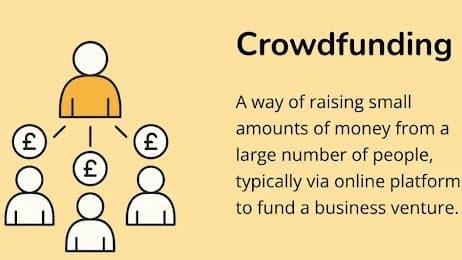
Crowdfunding means raising small contributions from a large group of supporters through an online platform. Instead of pushing a pitch deck at three accredited investors, you share your story with the public. Anyone who believes in your idea can back you.

This became much easier after the JOBS Act in the United States. The law opened the door to equity crowdfunding and gave startups more freedom to promote their campaigns. Other countries made similar updates. 

The Financial Conduct Authority strengthened its rules in the UK. The Prospectus Rules and Companies House filings shape how campaigns operate there, too. Even Australian businesses follow specific guidelines when raising capital online.

But the biggest shift we can say is cultural. Founders aren’t waiting for a bank to approve a small business loan or a VC (venture capital firm) to swoop in. They’re using crowdfunding sites, telling their story directly, and building excitement long before they officially launch.

Crowdfunding levels the playing field, especially for small-business founders who need early believers before approaching larger investors.

(Image Source)

The 4 main types of corporate crowdfunding

Crowdfunding generally falls into four models, each serving a different purpose depending on your startup's needs and how you plan to grow.

Reward-based crowdfunding

This is the model many people think of first. Backers support your idea and receive something in return. This could be early access to your product, a special edition, or a meaningful perk. It’s a great fit for physical products, creative launches, and prototypes that need early validation.

Many founders use this model as a test. If strangers are willing to pay to get your product early, that’s strong proof of demand. And when your idea sits in a narrow niche, your odds can get even better. A focused concept attracts the exact crowd that cares most. 

For example, a travel startup offering guided trips to WW2 sites in Italy would appeal to a very specific, passionate audience. This turns a general travel pitch into a compelling investment opportunity that feels unique and targeted.

Equity crowdfunding

Equity crowdfunding lets people invest in your company in exchange for ownership stakes. Supporters become true investors rather than customers. Since you’re offering securities, equity campaigns are subject to stricter rules.

In the U.S., the Securities and Exchange Commission oversees these offerings under Regulation Crowdfunding, and funding portals must also meet Financial Industry Regulatory Authority requirements. Startups typically share financial reports, risk factors, and other disclosures to help investors make informed decisions.

Investors also want to see that you use your capital wisely. Many founders highlight efficient spending and scalable operational planning to show they’re prepared for long-term growth. 

Investors also want to see how startups plan to support long-term adoption after launch. Some tech companies now budget for hands-on solutions like Virtual IT Training Labs, where users practice inside real software environments with trackable results. This kind of planning can make campaigns appear more credible and structured to potential backers. 

Debt crowdfunding

Debt crowdfunding works like borrowing from a large group of micro-lenders. Supporters lend you money, and you agree to pay them back with interest over time. It’s helpful for founders who want working capital without giving up equity.

This model is often used to cover early production or inventory needs. And if your campaign starts generating interest but you still need funds sooner, pairing your efforts with quick business loans can help you stay on schedule. You can continue operating while pledges are processing, then repay once the funds clear.


Donation crowdfunding for startups 

Donation crowdfunding is the simplest type. Supporters give money without expecting a reward or equity. They donate because they believe in you, your mission, or the positive impact your business will make.

This is especially useful for early-stage business owners facing urgent costs or community-focused projects. Platforms like Spotfund make donation-based crowdfunding more accessible through fast campaign setup, mobile-friendly fundraising tools, and simplified sharing features. This makes it easy to launch a business fundraising campaign in minutes.

Donation-based campaigns work well for founders who want support quickly without navigating securities rules or promising returns.

Key benefits beyond capital

Raising money is only one part of a crowdfunding fundraising strategy.

does for a startup. The real value often shows up long before the funds hit your account.

One of the biggest advantages is market validation. If people are willing to support your idea early, before the final product exists, that’s a strong signal you're building something people actually want. Many founders even use this early traction when speaking with venture capital firms later in their journey.

Crowdfunding also strengthens your community-building efforts. Backers often become loyal supporters who follow your progress, provide feedback, and help you refine your business plan or messaging. Having that early group cheering you on can make the entire process feel more grounded and less isolating.

Crowdfunding also increases visibility. Running a campaign pushes you to sharpen your story, update your pitch, and explain your roadmap with clarity. You’ll likely rethink how your web page looks, tighten your wording, and revise your marketing outreach templates so people understand exactly what you’re creating. Those improvements continue to help your business long after the campaign ends.

And then there’s control. With donation and reward-based crowdfunding, you raise money without giving up ownership stakes or navigating complex investor expectations. You keep full decision-making power while still building momentum.

Crowdfunding gives you capital, yes. But it also gives you confidence, proof of demand, and an audience that wants you to win.

(Image Source)

Navigating regulations and compliance

Once you decide how you want to raise funds, it’s important to understand the rules behind each model. Donation-based crowdfunding campaigns generally have fewer regulatory requirements because supporters are not receiving financial returns. But equity or debt campaigns fall under strict guidelines you’ll need to follow.

In the U.S., the Securities and Exchange Commission regulates how startups present information, what must be disclosed, and how investors are protected. Registered crowdfunding portals also follow Financial Industry Regulatory Authority standards to reduce the risk of misleading or fraudulent securities transactions.

Other countries use their own systems to define how fundraising should work. The details vary, but the goal is the same: to give founders and supporters a clear framework to follow.

Remember that regulations are there to help you run a responsible campaign. If you’re offering securities or anything tied to returns, you’ll want to prepare by conducting thorough background research, organizing your financial reports, and ensuring your business plan aligns with what you’re promising. 

A little clarity upfront makes the whole process smoother for both you and your future investors.

Once the legal and operational side is clear, the next challenge is getting people to actually notice and support your campaign. That’s where preparation, timing, and communication start to matter just as much as the idea itself.

Strategies for a successful campaign

Crowdfunding works best when you prepare well in advance of launch. The most successful campaigns build momentum early, so you already have people paying attention when your page goes live.

A strong pre-launch is your foundation. Warm up your audience through email, social channels, or your community spaces so you're not opening your campaign to silence. Keeping communication organized internally also matters during launch preparation. 

Running a crowdfunding campaign often involves constant coordination between founders, marketers, designers, and outside collaborators. Because of this, many startups rely on apps like Slack to keep updates, deadlines, and campaign discussions organized while teams move quickly under pressure. 

Even a handful of early supporters can help your campaign rank higher on many crowdfunding platforms, giving you visibility right from day one.

Your pitch is just as important. People connect with the story behind your startup idea: Why it matters, who it helps, and what problem you're solving. Whether you share a short video or a simple description, clarity goes a long way. 

Showing parts of your roadmap or prototype also helps. Maybe you’re building an AI app for dietary supplements or testing something for the live event industry. A quick peek behind the scenes allows backers to understand exactly where you’re headed.

Platform choice matters too. Operational planning also matters during crowdfunding campaigns. Understanding dynamics 365 pricing can help startups prepare budgets and organize customer, investor, and financial workflows more effectively as they scale after fundraising. 

Spotfund is ideal for donation crowdfunding and time-sensitive fundraising needs. Equity or debt campaigns, on the other hand, belong on regulated crowdfunding portals where formal investor offerings are allowed.

(Image Source)

Transparency keeps your campaign moving. Share updates. Talk through your progress. Let people see how you're building the project day by day. Some founders highlight early tech setup—such as using a guest management platform, cloud services, or early smart-device protection features — to demonstrate how their product will function. Others share early data or custom investor research if they're reaching more experienced backers.

No matter which model you choose, your fundraising strategy should feel honest and human. People back founders they trust. And trust grows when you're open, consistent, and clear about your journey.

Wrap up

Crowdfunding for business has opened the door for founders who once felt shut out of traditional funding. It gives you capital, early momentum, and a community that wants to see you win. You don’t need flawless revenue or a list of high-profile connections. You just need a solid idea, a clear story, and the willingness to put it out into the world.

Whether you’re looking for early market validation, testing a new product, or raising funds to launch something completely different, crowdfunding can help startups validate ideas, attract early supporters, and build momentum faster. Platforms like Spotfund make it easier for founders to launch campaigns without complicated setup processes or long approval timelines. 

Ready to take the first real step toward launching your idea? Create your campaign on Spotfund today and start building support around your business idea. 

Author bio: Kristina Iavarone

Kristina is a content strategist for B2B and B2C clients. Her work has appeared in Medical News Today, Healthline, and GetYourGuide, and when she’s not working, she’s either at a café or exploring new places with her husband. Connect with her on LinkedIn





Smiley Face

Be the first to donate and pin
your name here   📌

Organizer

Sajid Sipra

Show your support to Sajid Sipra by donating to this fundraiser benefiting Nonabots

Crowdfunding A Startup: Types, Strategies, And Benefits
Sajid Sipra

Sajid Sipra

Von Ormy, Texas

Fundraising for

Nonabots

Fundraising forNonabots
Donation protected
👍 0% fee
Donations are tax-deductible

Think about how many great ideas never get off the ground. Not because the founder lacked passion or a solid plan, but because raising money felt like an insurmountable wall. Banks want collateral. Venture capital firms want traction you don’t have yet. And pitching angel investors can feel like trying to win the lottery.

But things have changed. Crowdfunding for business gives everyday founders a way to raise money, test an idea, and build early momentum without begging gatekeepers for permission. It opens the door for new creators, small shops, and first-time entrepreneurs who just need a chance to show the world what they can do.

Crowdfunding isn’t only about money. It’s also about proving people actually want what you’re building. It’s about creating a community that cheers for you long before your official launch. In this guide, we’ll walk through the four main crowdfunding models, the rules you should know, and the strategies that help campaigns stand out.

What is crowdfunding for business?

Crowdfunding means raising small contributions from a large group of supporters through an online platform. Instead of pushing a pitch deck at three accredited investors, you share your story with the public. Anyone who believes in your idea can back you.

This became much easier after the JOBS Act in the United States. The law opened the door to equity crowdfunding and gave startups more freedom to promote their campaigns. Other countries made similar updates. 

The Financial Conduct Authority strengthened its rules in the UK. The Prospectus Rules and Companies House filings shape how campaigns operate there, too. Even Australian businesses follow specific guidelines when raising capital online.

But the biggest shift we can say is cultural. Founders aren’t waiting for a bank to approve a small business loan or a VC (venture capital firm) to swoop in. They’re using crowdfunding sites, telling their story directly, and building excitement long before they officially launch.

Crowdfunding levels the playing field, especially for small-business founders who need early believers before approaching larger investors.

(Image Source)

The 4 main types of corporate crowdfunding

Crowdfunding generally falls into four models, each serving a different purpose depending on your startup's needs and how you plan to grow.

Reward-based crowdfunding

This is the model many people think of first. Backers support your idea and receive something in return. This could be early access to your product, a special edition, or a meaningful perk. It’s a great fit for physical products, creative launches, and prototypes that need early validation.

Many founders use this model as a test. If strangers are willing to pay to get your product early, that’s strong proof of demand. And when your idea sits in a narrow niche, your odds can get even better. A focused concept attracts the exact crowd that cares most. 

For example, a travel startup offering guided trips to WW2 sites in Italy would appeal to a very specific, passionate audience. This turns a general travel pitch into a compelling investment opportunity that feels unique and targeted.

Equity crowdfunding

Equity crowdfunding lets people invest in your company in exchange for ownership stakes. Supporters become true investors rather than customers. Since you’re offering securities, equity campaigns are subject to stricter rules.

In the U.S., the Securities and Exchange Commission oversees these offerings under Regulation Crowdfunding, and funding portals must also meet Financial Industry Regulatory Authority requirements. Startups typically share financial reports, risk factors, and other disclosures to help investors make informed decisions.

Investors also want to see that you use your capital wisely. Many founders highlight efficient spending and scalable operational planning to show they’re prepared for long-term growth. 

Investors also want to see how startups plan to support long-term adoption after launch. Some tech companies now budget for hands-on solutions like Virtual IT Training Labs, where users practice inside real software environments with trackable results. This kind of planning can make campaigns appear more credible and structured to potential backers. 

Debt crowdfunding

Debt crowdfunding works like borrowing from a large group of micro-lenders. Supporters lend you money, and you agree to pay them back with interest over time. It’s helpful for founders who want working capital without giving up equity.

This model is often used to cover early production or inventory needs. And if your campaign starts generating interest but you still need funds sooner, pairing your efforts with quick business loans can help you stay on schedule. You can continue operating while pledges are processing, then repay once the funds clear.


Donation crowdfunding for startups 

Donation crowdfunding is the simplest type. Supporters give money without expecting a reward or equity. They donate because they believe in you, your mission, or the positive impact your business will make.

This is especially useful for early-stage business owners facing urgent costs or community-focused projects. Platforms like Spotfund make donation-based crowdfunding more accessible through fast campaign setup, mobile-friendly fundraising tools, and simplified sharing features. This makes it easy to launch a business fundraising campaign in minutes.

Donation-based campaigns work well for founders who want support quickly without navigating securities rules or promising returns.

Key benefits beyond capital

Raising money is only one part of a crowdfunding fundraising strategy.

does for a startup. The real value often shows up long before the funds hit your account.

One of the biggest advantages is market validation. If people are willing to support your idea early, before the final product exists, that’s a strong signal you're building something people actually want. Many founders even use this early traction when speaking with venture capital firms later in their journey.

Crowdfunding also strengthens your community-building efforts. Backers often become loyal supporters who follow your progress, provide feedback, and help you refine your business plan or messaging. Having that early group cheering you on can make the entire process feel more grounded and less isolating.

Crowdfunding also increases visibility. Running a campaign pushes you to sharpen your story, update your pitch, and explain your roadmap with clarity. You’ll likely rethink how your web page looks, tighten your wording, and revise your marketing outreach templates so people understand exactly what you’re creating. Those improvements continue to help your business long after the campaign ends.

And then there’s control. With donation and reward-based crowdfunding, you raise money without giving up ownership stakes or navigating complex investor expectations. You keep full decision-making power while still building momentum.

Crowdfunding gives you capital, yes. But it also gives you confidence, proof of demand, and an audience that wants you to win.

(Image Source)

Navigating regulations and compliance

Once you decide how you want to raise funds, it’s important to understand the rules behind each model. Donation-based crowdfunding campaigns generally have fewer regulatory requirements because supporters are not receiving financial returns. But equity or debt campaigns fall under strict guidelines you’ll need to follow.

In the U.S., the Securities and Exchange Commission regulates how startups present information, what must be disclosed, and how investors are protected. Registered crowdfunding portals also follow Financial Industry Regulatory Authority standards to reduce the risk of misleading or fraudulent securities transactions.

Other countries use their own systems to define how fundraising should work. The details vary, but the goal is the same: to give founders and supporters a clear framework to follow.

Remember that regulations are there to help you run a responsible campaign. If you’re offering securities or anything tied to returns, you’ll want to prepare by conducting thorough background research, organizing your financial reports, and ensuring your business plan aligns with what you’re promising. 

A little clarity upfront makes the whole process smoother for both you and your future investors.

Once the legal and operational side is clear, the next challenge is getting people to actually notice and support your campaign. That’s where preparation, timing, and communication start to matter just as much as the idea itself.

Strategies for a successful campaign

Crowdfunding works best when you prepare well in advance of launch. The most successful campaigns build momentum early, so you already have people paying attention when your page goes live.

A strong pre-launch is your foundation. Warm up your audience through email, social channels, or your community spaces so you're not opening your campaign to silence. Keeping communication organized internally also matters during launch preparation. 

Running a crowdfunding campaign often involves constant coordination between founders, marketers, designers, and outside collaborators. Because of this, many startups rely on apps like Slack to keep updates, deadlines, and campaign discussions organized while teams move quickly under pressure. 

Even a handful of early supporters can help your campaign rank higher on many crowdfunding platforms, giving you visibility right from day one.

Your pitch is just as important. People connect with the story behind your startup idea: Why it matters, who it helps, and what problem you're solving. Whether you share a short video or a simple description, clarity goes a long way. 

Showing parts of your roadmap or prototype also helps. Maybe you’re building an AI app for dietary supplements or testing something for the live event industry. A quick peek behind the scenes allows backers to understand exactly where you’re headed.

Platform choice matters too. Operational planning also matters during crowdfunding campaigns. Understanding dynamics 365 pricing can help startups prepare budgets and organize customer, investor, and financial workflows more effectively as they scale after fundraising. 

Spotfund is ideal for donation crowdfunding and time-sensitive fundraising needs. Equity or debt campaigns, on the other hand, belong on regulated crowdfunding portals where formal investor offerings are allowed.

(Image Source)

Transparency keeps your campaign moving. Share updates. Talk through your progress. Let people see how you're building the project day by day. Some founders highlight early tech setup—such as using a guest management platform, cloud services, or early smart-device protection features — to demonstrate how their product will function. Others share early data or custom investor research if they're reaching more experienced backers.

No matter which model you choose, your fundraising strategy should feel honest and human. People back founders they trust. And trust grows when you're open, consistent, and clear about your journey.

Wrap up

Crowdfunding for business has opened the door for founders who once felt shut out of traditional funding. It gives you capital, early momentum, and a community that wants to see you win. You don’t need flawless revenue or a list of high-profile connections. You just need a solid idea, a clear story, and the willingness to put it out into the world.

Whether you’re looking for early market validation, testing a new product, or raising funds to launch something completely different, crowdfunding can help startups validate ideas, attract early supporters, and build momentum faster. Platforms like Spotfund make it easier for founders to launch campaigns without complicated setup processes or long approval timelines. 

Ready to take the first real step toward launching your idea? Create your campaign on Spotfund today and start building support around your business idea. 

Author bio: Kristina Iavarone

Kristina is a content strategist for B2B and B2C clients. Her work has appeared in Medical News Today, Healthline, and GetYourGuide, and when she’s not working, she’s either at a café or exploring new places with her husband. Connect with her on LinkedIn


Organizer

Sajid Sipra

Show your support to Sajid Sipra by donating to this fundraiser benefiting Nonabots

$0of $100 goal
0Donors
0Comments
1Share ArrowShares
Smiley Face

Be the first to donate and pin
your name here   📌

★★★★★ Trustpilot Reviews

Ready to start?

Join the thousands like you finding help on *spotfund.

Start FundraisingHow it works
Spotfund Balloons