


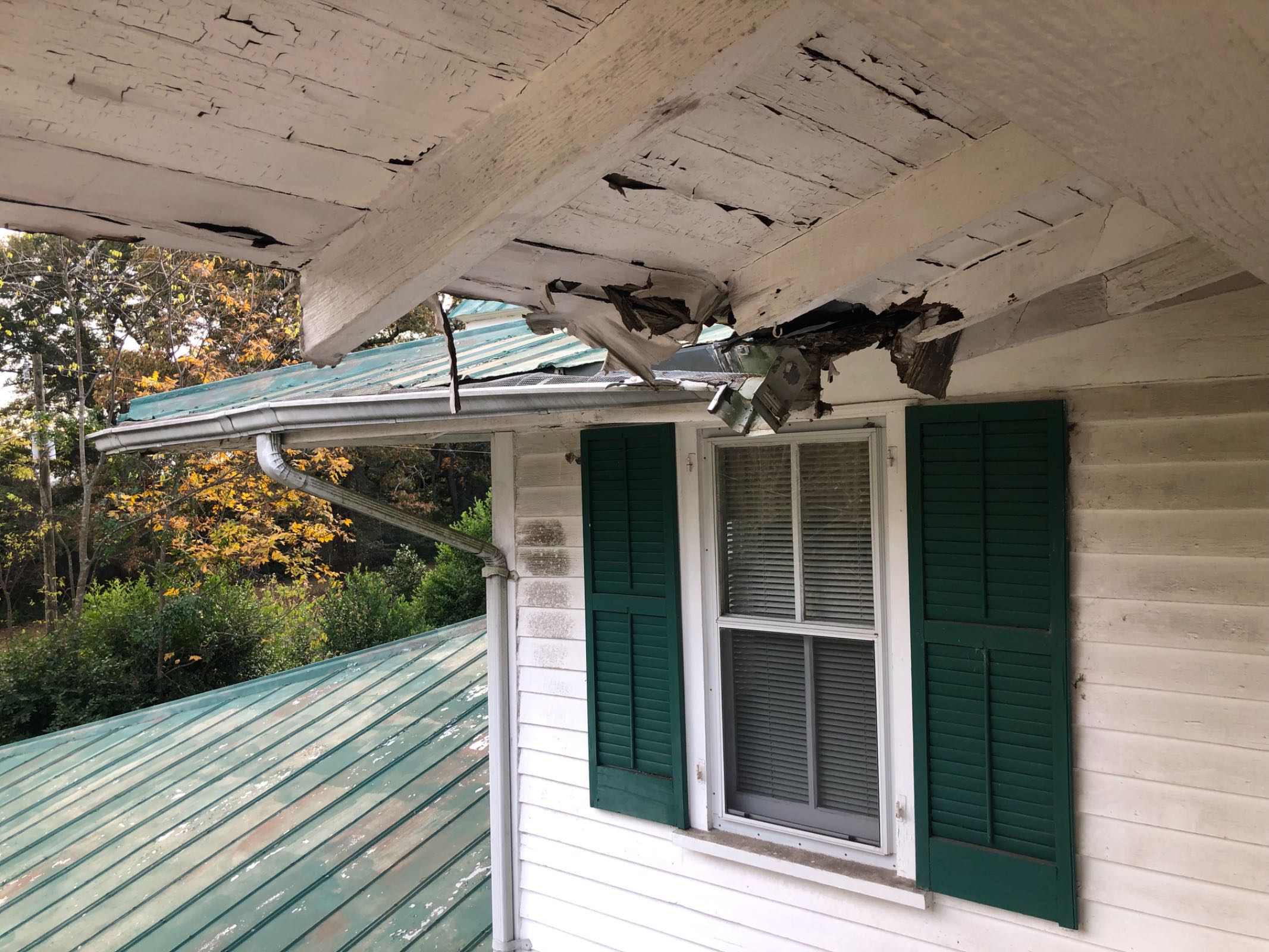


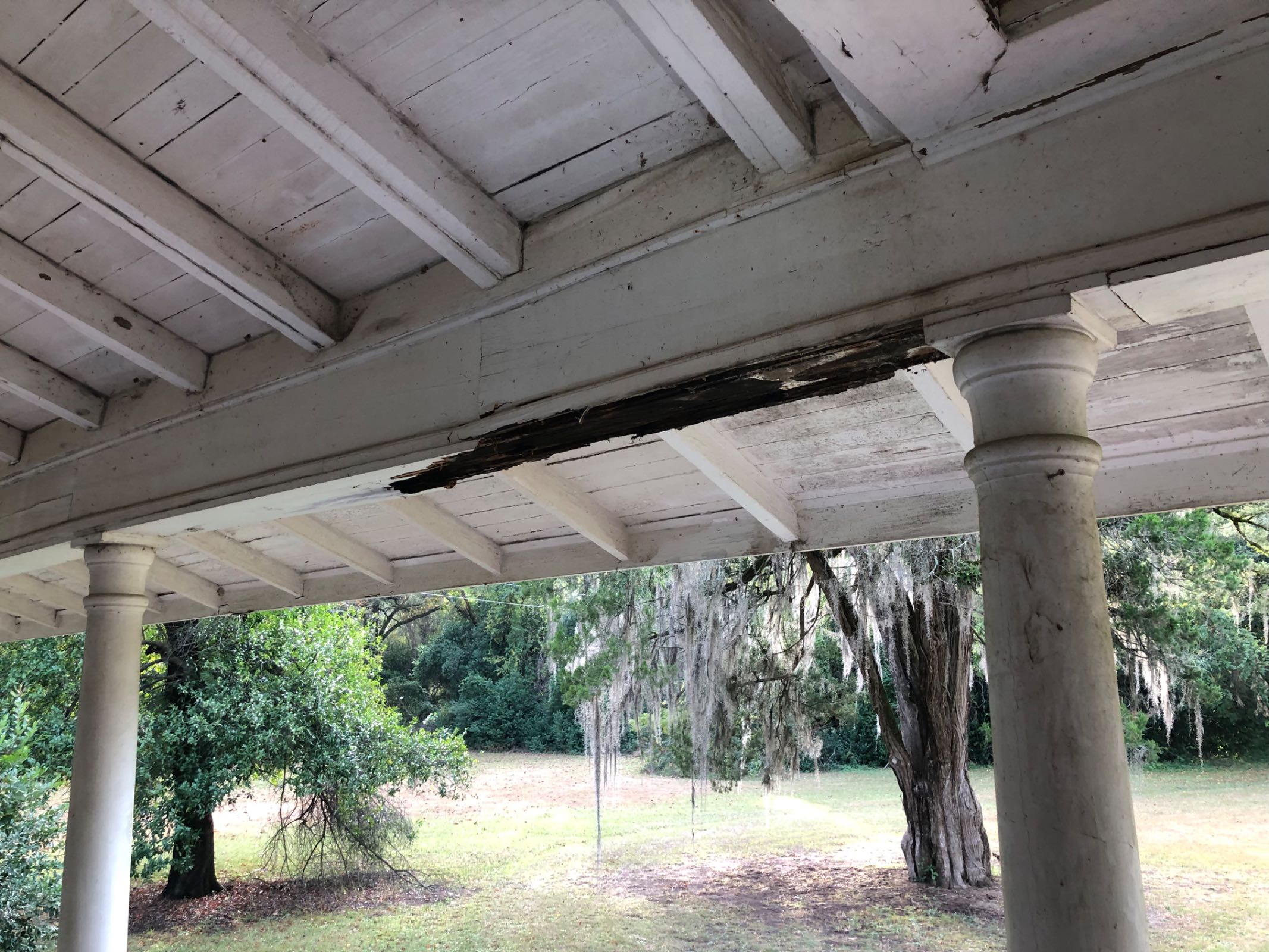
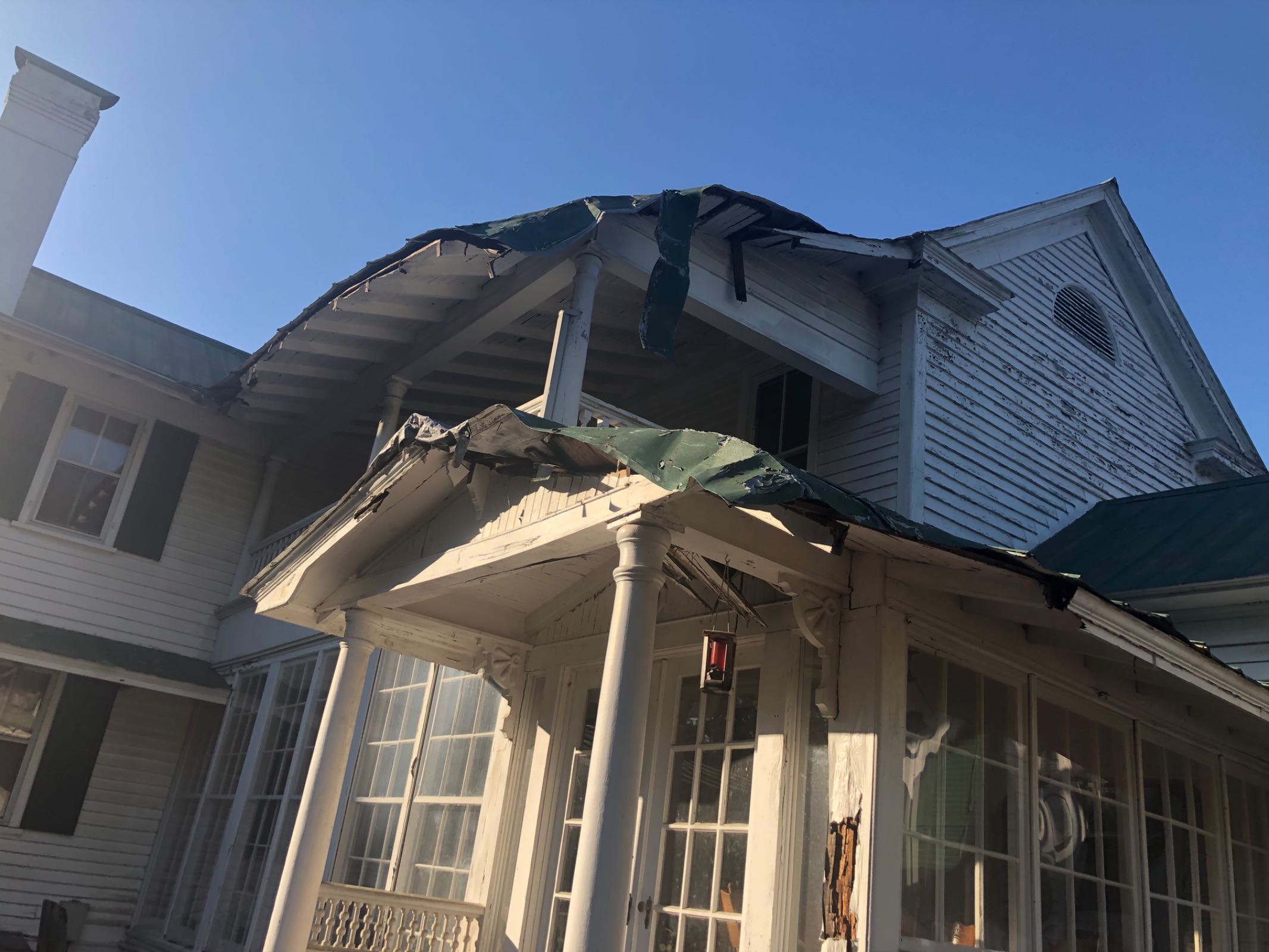
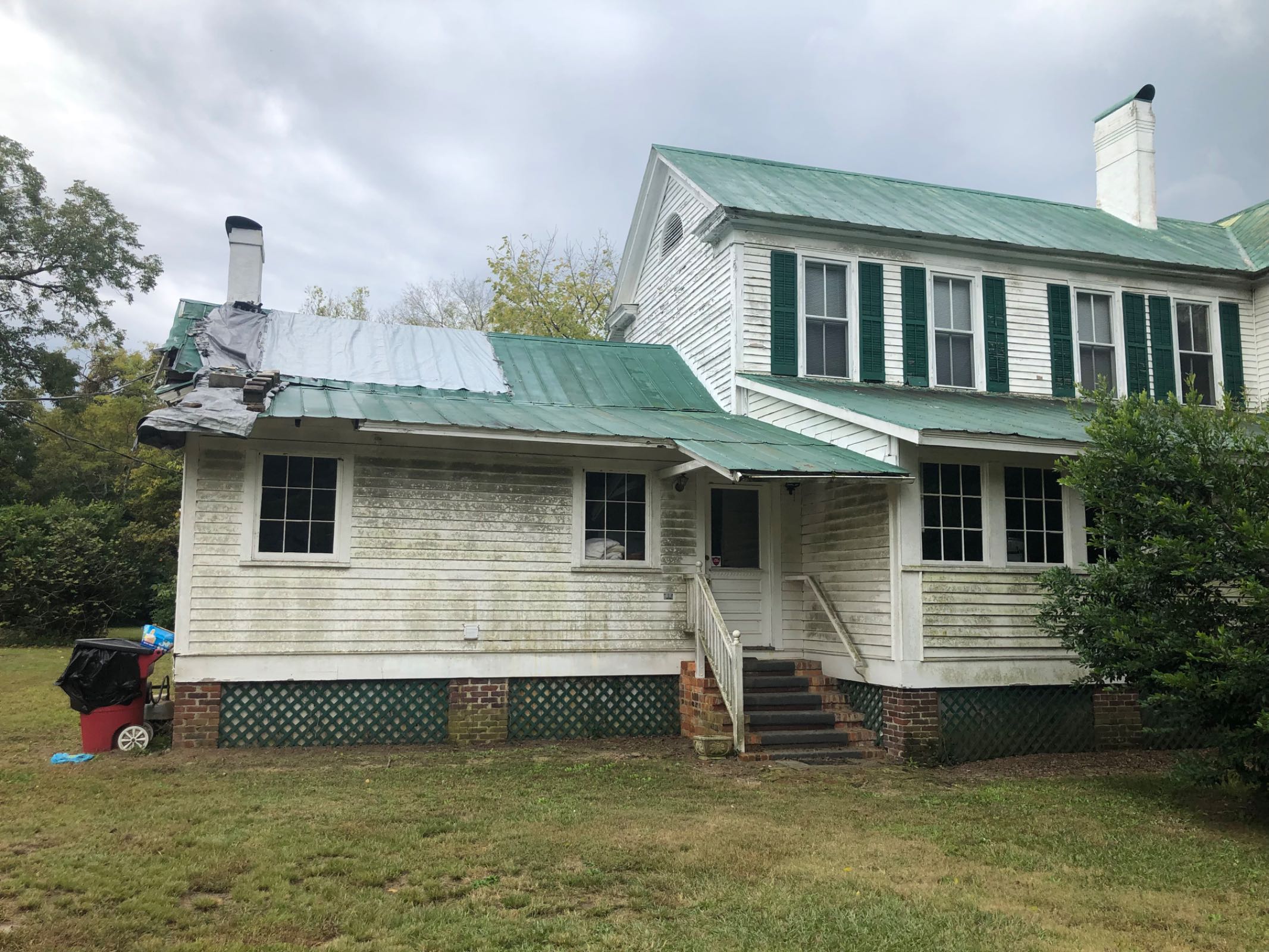
 Roof is in critical condition and has to be replaced as soon as possible Estimated cost is &75,000
DESCRIPTION
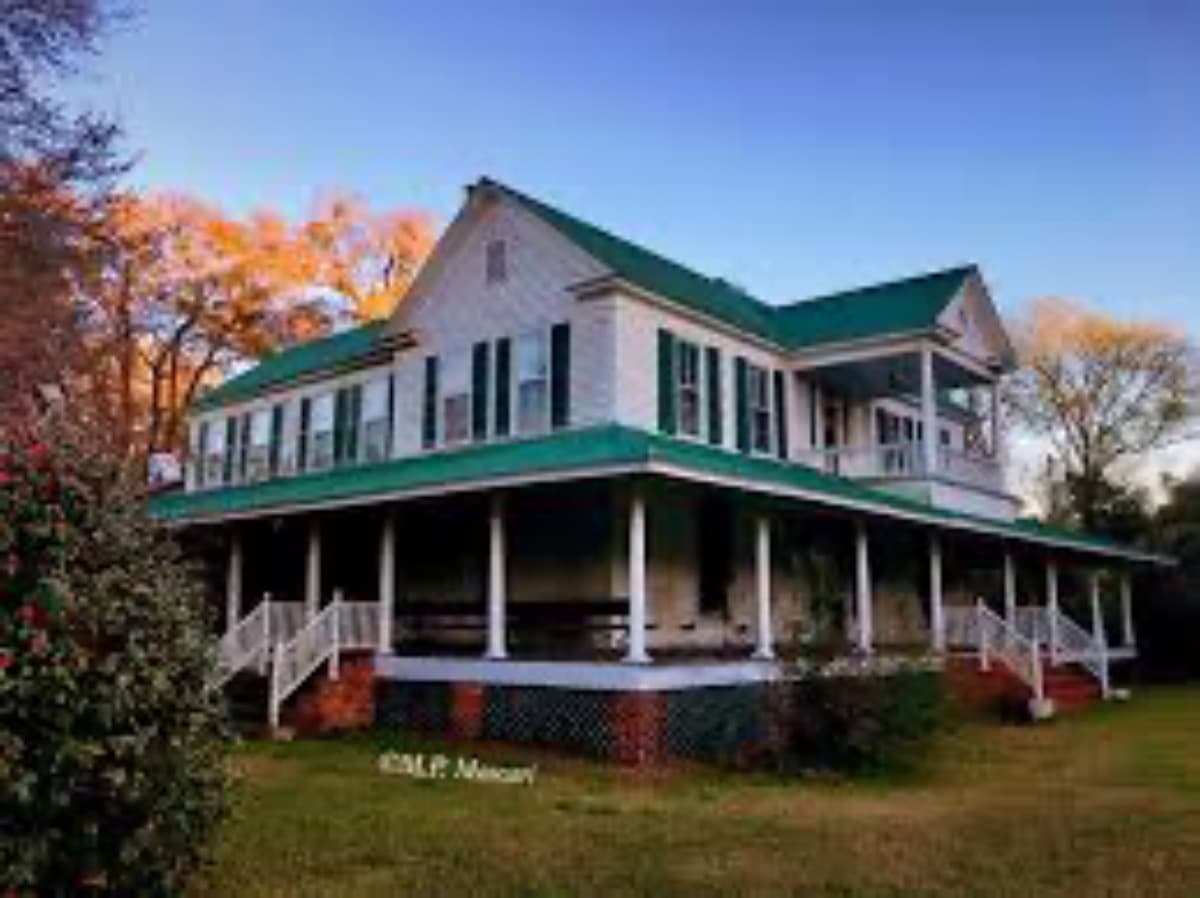
"If there is any spot of sunshine on this earth, any spot of which I love to think, talk and dream, it is the space before your door and the white gate out front, and the long avenue of trees leading to it," said Episcopal Minister Nicholas Tillinghaus in 1846 about Roseville Plantation. * Roseville Plantation was established by a royal grant from the English government before the American Revolution in 1771. * Roseville Plantation was placed into the National Register of Historic Places by the National Park Service in 1997. * Roseville Plantation was awarded two roadside, historical markers, one for the home and one for the slave and freedman's cemetery, by the South Carolina Department of Archives and History. * Roseville Plantation was featured in Preservation magazine by the National Trust for Historic Preservation in 1997. * Roseville Plantation was showcased on HGTV's Restore America program in 2000. * The book, A Confederate Nurse, by Jean V. Berlin, which was published in 1994, is based upon the diaries of Roseville Plantation's former owner, Ada Bacot Clarke. * Roseville Plantation has been featured in The Wall Street Journal, The Atlanta Constitution, The State (over 20 times), The Charlotte Observer (8 times), The Post & Courier (5 times) and numerous smaller newspapers and publications. * The two-story, lateral gabled, weatherboard-clad residence consists partly of mortise and tenoned hand-hewn and peeled log construction resting upon a brick pier foundation. The house features a one-story hip roofed unusually broad wraparound veranda containing a V-crimp metal-clad roof and a four-foot overhang. While its primary significance is its architecture, it is locally important for its association with the Brockington, Bacot, and Clarke families. Listed in the National Register of Historic Places on September 25, 1997. * Roseville Plantation has been the home of two South Carolina congressmen, one officer and man-servant in the Revolutionary War, four officers and one medical doctor in the Civil War as well as four officers in World War II.