Hello, I'd like to update the group on the progress made so far.
Since the last update, the volunteers have transported dozens of people from Odesa, Dnipro, Zhytomyr, Zaporizhzhia, Kryvyi Rih, Uman, Bila Tserkva to Lviv and Krakovets. There are still challenges when driving westbound: heavy traffic, gas shortages, poor road conditions, military checkpoints, absence of lodging and others. It should be noted that the workload for volunteers is slowly shifting from transporting people away from conflict zones to delivering basic necessities to the people in the conflict zones. In order to do so, volunteers are stacking up on food, medication, gas and other basic necessities on their way back to the east/south of Ukraine.
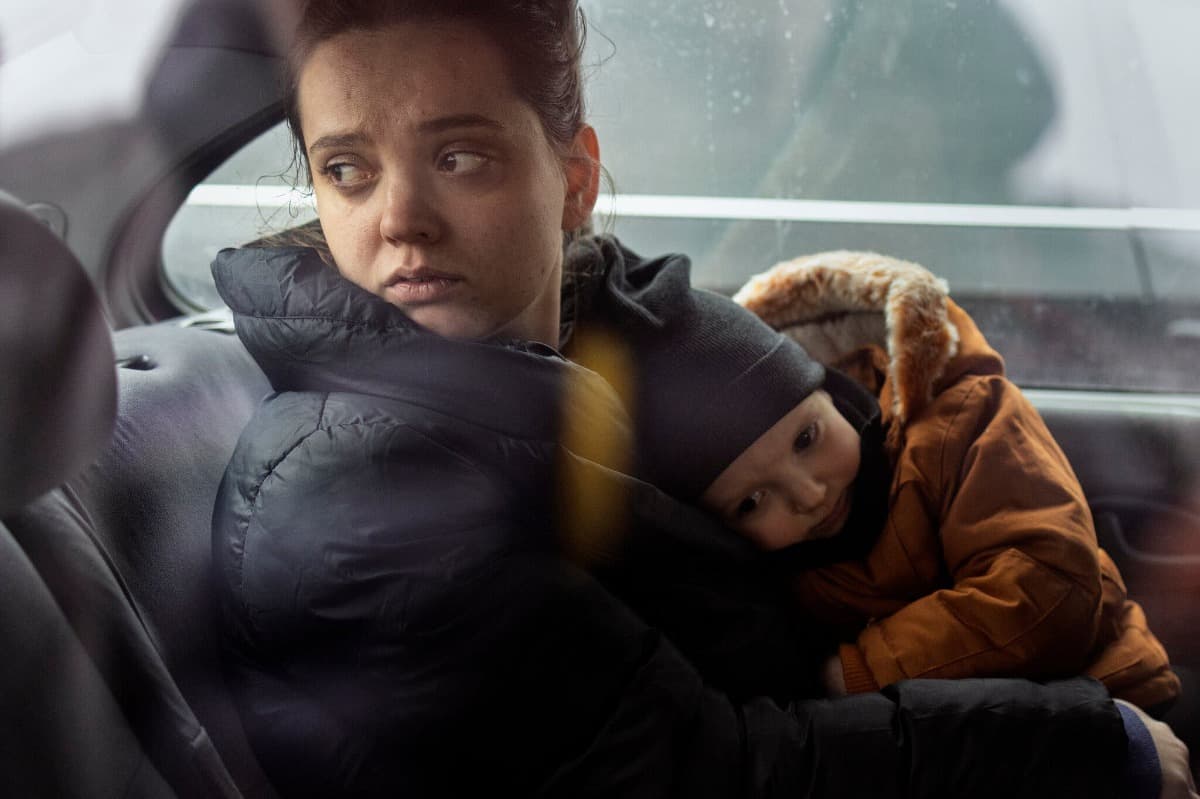
Lines at the border: People have to wait in line for hours in order to cross the border, especially to Poland. My 67-year-old mother-in-law waited for 12 hours well into the night at freezing temperature. Standing outside on foot on rainy/chilly evenings sometimes brings people to despair. One elderly woman (Aunt Zina) gave up and asked one of our volunteers for a ride back to Dnipro. She lost both her husband and her son, and ultimately decided to be at home - whatever happens. On one occasion, one of our volunteers not only transported a mother and a child but even stayed with them until they crossed the border. Since it was cold at night, he let the mother and her child stay in the warm car while he reserved their spot on the line until the morning. What a hero! Our hero got sick for a couple of days but believes it was well worth it.
Evolving pains: According to the volunteers, some people are either unable or unwilling to leave their homes/towns while the humanitarian aid does not get to them, especially if the town is being shelled. While initially civilian fatalities were primarily as a result of the military attacks (shelling), more and more people are suffering/dying from various secondary effects of the war: lack/shortage of medication, food, water, warm place to sleep and long/loud sirens, especially early mornings.
Mariupol: Volunteers tried to help people evacuate but the movement along the green corridor was only in one direction (did not allow eastbound transport).
Small win: For several trips, the team was able to use a minivan (similar to Kia Sedona) which made transporting more people as well as their luggage possible. This particular minivan uses diesel, which is more expensive ($100 to fill up) but does not require frequent stops (other cars use either gasoline or natural gas).
Please know that your support has been appreciated by every single person who was helped. Thank you.

Update as of March-9:
Volunteers continue to transport families from Ukraine to the Polish border. Due to heavy traffic jams, a trip that typically used to take a few hours, takes a day or more. While the outflow of families used to be primarily from the eastern and south eastern regions of the country, volunteers are now getting calls from families trying to flee central Ukraine. For example, 4 people were transported from Ternopil to Krakovets and a group of another 4 people were transported from Zhytomyr to Krakovets.
When possible, families are encouraged to use public transportation so the volunteers can focus on those who either have no access to the public transportation (i.e. remote areas) or require specialized transportation as a result of surgery/disability/injury.
Anonymous
$50 β’ Recent donation
Muzaffer Mujdabaev
$500 β’ Top donation
Muzaffer Mujdabaev
$500 β’ First donation

Azizbek Rasulov is the organizer of this fundraiser

Fundraising for

Hello, I'd like to update the group on the progress made so far.
Since the last update, the volunteers have transported dozens of people from Odesa, Dnipro, Zhytomyr, Zaporizhzhia, Kryvyi Rih, Uman, Bila Tserkva to Lviv and Krakovets. There are still challenges when driving westbound: heavy traffic, gas shortages, poor road conditions, military checkpoints, absence of lodging and others. It should be noted that the workload for volunteers is slowly shifting from transporting people away from conflict zones to delivering basic necessities to the people in the conflict zones. In order to do so, volunteers are stacking up on food, medication, gas and other basic necessities on their way back to the east/south of Ukraine.
Lines at the border: People have to wait in line for hours in order to cross the border, especially to Poland. My 67-year-old mother-in-law waited for 12 hours well into the night at freezing temperature. Standing outside on foot on rainy/chilly evenings sometimes brings people to despair. One elderly woman (Aunt Zina) gave up and asked one of our volunteers for a ride back to Dnipro. She lost both her husband and her son, and ultimately decided to be at home - whatever happens. On one occasion, one of our volunteers not only transported a mother and a child but even stayed with them until they crossed the border. Since it was cold at night, he let the mother and her child stay in the warm car while he reserved their spot on the line until the morning. What a hero! Our hero got sick for a couple of days but believes it was well worth it.
Evolving pains: According to the volunteers, some people are either unable or unwilling to leave their homes/towns while the humanitarian aid does not get to them, especially if the town is being shelled. While initially civilian fatalities were primarily as a result of the military attacks (shelling), more and more people are suffering/dying from various secondary effects of the war: lack/shortage of medication, food, water, warm place to sleep and long/loud sirens, especially early mornings.
Mariupol: Volunteers tried to help people evacuate but the movement along the green corridor was only in one direction (did not allow eastbound transport).
Small win: For several trips, the team was able to use a minivan (similar to Kia Sedona) which made transporting more people as well as their luggage possible. This particular minivan uses diesel, which is more expensive ($100 to fill up) but does not require frequent stops (other cars use either gasoline or natural gas).
Please know that your support has been appreciated by every single person who was helped. Thank you.

Update as of March-9:
Volunteers continue to transport families from Ukraine to the Polish border. Due to heavy traffic jams, a trip that typically used to take a few hours, takes a day or more. While the outflow of families used to be primarily from the eastern and south eastern regions of the country, volunteers are now getting calls from families trying to flee central Ukraine. For example, 4 people were transported from Ternopil to Krakovets and a group of another 4 people were transported from Zhytomyr to Krakovets.
When possible, families are encouraged to use public transportation so the volunteers can focus on those who either have no access to the public transportation (i.e. remote areas) or require specialized transportation as a result of surgery/disability/injury.

Azizbek Rasulov is the organizer of this fundraiser