

Urban commuting has changed. Streets are busier, distances feel shorter thanks to bike lanes and mixed-use paths, and more riders want a practical tool that fits into daily life without demanding a garage, a car rack, or a training regimen. A city-bike answers that need directly. It is designed for the way people actually move through cities: short trips, mixed terrain, quick stops, and the occasional stretch on a train or bus. This article looks at what makes a city-bike work, how to choose one that suits your routine, and how to get more out of every ride without overcomplicating things.
What Defines a City-Bike Today
A city-bike is a purpose-built machine for urban transportation. It is not a road racer, not a mountain bike, and not a heavy cruiser. It sits in a practical middle ground where comfort, durability, and low maintenance take priority over top-end speed or off-road capability. The riding position is upright, the tires are wide enough to handle cobblestones and expansion joints, and the frame geometry favors stability at low speeds when weaving through pedestrians or waiting at traffic lights.
Most modern city-bikes come with features that make daily use easier: fenders to keep clothing clean in wet weather, integrated lighting for early morning and evening rides, a chain guard to protect trouser legs, and mounting points for racks and baskets. These are the small details that separate a bike you use once a week from one you reach for every day. When you want a reliable City-Bike that works with your routine rather than against it, these functional details matter more than any spec sheet.
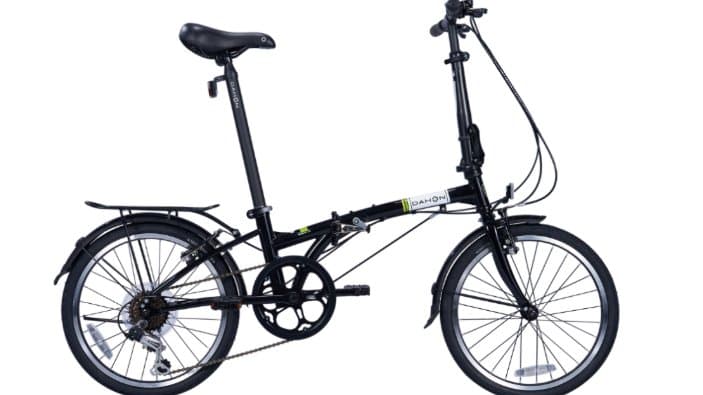
Folding versions of the city-bike have gained ground in recent years, especially among apartment dwellers and multi-modal commuters. A folded bike fits under a desk, inside a train, or in a small closet. That flexibility removes many of the reasons people stop cycling in cities: no safe parking, no elevator access, no space at home. DAHON has been shaping this category for decades, refining folding mechanisms and hinge designs so that a bike can be compact when stored and rigid when ridden.
Choosing a Frame and Fit That Match Your Routine
Fit is the single biggest factor in whether you enjoy a city-bike or eventually leave it in the hallway. Because urban riders spend a lot of time in an upright position and stop often, the saddle height and reach to the handlebars should feel natural without stretching. A good rule of thumb is to have a slight bend in your knee at the bottom of the pedal stroke and to reach the bars without leaning too far forward. If your neck or lower back feels tired after a short ride, the fit is likely off.
Frame material has a real effect on ride feel. Aluminum is common because it is light, rust-resistant, and affordable. Steel offers a smoother ride and can be repaired more easily but adds weight. For a city context, weight matters most when you carry the bike up stairs, load it onto public transport, or lift it into a trunk. Riders who face these situations regularly tend to gravitate toward lighter frames or folding designs where the compact form makes carrying easier.
Wheel size is another decision. Standard 700c wheels roll efficiently and feel familiar to anyone who has ridden a hybrid or road bike. Smaller wheels, common on folding city-bikes, accelerate faster from a stop, which is useful in traffic, and they make the folded package much smaller. The trade-off is that smaller wheels can feel busier over rough surfaces, though modern designs with wider tires have narrowed that gap considerably.
Gearing, Brakes, and Everyday Reliability
A city-bike does not need a wide gear range. Most urban routes involve gentle climbs, flat stretches, and short bursts of acceleration. Internal hub gears have become popular for city use because they are enclosed, low-maintenance, and allow shifting while stationary, which is handy at red lights. Derailleur systems offer a wider range and are lighter, but they require more attention to keep clean and adjusted.
Brakes should be predictable in all conditions. Rim brakes work well in dry weather and are simple to service. Disc brakes, mechanical or hydraulic, offer stronger stopping power and consistent performance in rain, which matters if you commute year-round. For a city rider who deals with wet leaves, sudden stops, and heavy loads on a rear rack, the extra confidence from disc brakes is often worth the small increase in complexity.
Reliability also comes from the parts you rarely think about. Puncture-resistant tires prevent most flats caused by glass and thorns in the road. Sealed bearings in the hubs and bottom bracket keep grit out. A well-tensioned chain lasts longer and shifts more smoothly. None of these upgrades are dramatic, but together they turn a bike from something you fix into something you ride.
Making the Bike Fit Into Daily Life
Owning a city-bike is less about the machine and more about how you integrate it. The first change most new riders notice is time. Short trips that used to involve waiting for a bus or looking for parking now take a fixed, predictable amount of time. Grocery runs become a chance to move rather than a chore. Meeting a friend across town feels less like an ordeal and more like part of the day.
Storage is worth planning before the bike arrives. If you live in an apartment, a wall hook or a folding bike changes everything. A folded frame in the entryway takes less space than a coat rack. If you have a garage or a courtyard, a simple stand keeps the bike upright and easy to grab. The goal is to remove any small friction that might discourage you from riding on a busy morning.
Clothing choices adapt naturally over time. Most riders find they do not need special cycling gear for city rides. Regular clothes work fine with fenders and a chain guard. In colder months, a light jacket and gloves are usually enough for short trips. What tends to matter more is a good lock, a small bag or basket for carrying essentials, and a habit of checking tire pressure once a week.
Security deserves attention. A quality U-lock, ideally paired with a cable for the front wheel, deters most opportunistic theft. Where you park matters as much as how you lock: well-lit, high-traffic locations near cameras discourage attempts. Some riders choose folding bikes partly for security, since a bike that fits under a desk or inside a cafe rarely needs to be locked outside at all.
Riding Confidently Through Urban Traffic
Riding in urban traffic feels different from any other type of cycling. The rhythm is set by lights, pedestrians, and other vehicles rather than by your own pace. Most experienced riders learn that predictability is the key to feeling comfortable. Signaling turns clearly, holding a straight line even when road surfaces are uneven, and making eye contact with drivers at intersections all reduce the small misunderstandings that create risk. Position on the road matters too. Sitting slightly outside the door zone of parked cars keeps you clear of sudden hazards, and taking the lane when it is too narrow to share is safer than hugging the curb.
Route choice matters as much as riding style. Streets with protected bike lanes are usually the safest and often the fastest option, even when the direct route runs along a busier road. A few extra blocks on a quiet side street can shave minutes overall because you spend less time waiting behind traffic or negotiating around parked cars. Many cities now publish maps of cycling networks built for bikes rather than cars, and these routes can change how a neighborhood feels to move through.
Weather is another factor that shapes urban riding. Light rain rarely stops committed commuters, especially with fenders and disc brakes handling wet conditions well. What tends to make more difference is preparation: a compact rain jacket in the bag, a spare pair of socks at the office, and a habit of checking the forecast before heading out. Cold weather is similarly manageable with layered clothing and gloves. Extreme conditions are the exception, and even then, folding city-bikes make it easy to combine cycling with public transport when the weather turns.
Confidence grows with repetition. The first few weeks on a new commute often feel slower and more mentally taxing than they eventually will. Ride the same route a handful of times and it starts to feel automatic. From there, small variations and detours become easy to add. This is how a city-bike shifts from being a piece of equipment to being a natural extension of daily movement.
Maintenance That Fits a Busy Schedule
A city-bike does not demand much, but a little attention goes a long way. Keeping the chain clean and lightly lubricated is the single most useful habit. A quick wipe with a rag every couple of weeks and a drop of chain oil prevents most drivetrain wear. Tires should hold pressure within the range printed on the sidewall, checked with a floor pump before you head out for the week.
Brake pads wear gradually and often go unnoticed until stopping distances get longer. A quick visual check every month or two catches this early. Cables and housing can stretch over the first months of riding, then settle. If shifting feels sluggish or brakes feel spongy, a small adjustment usually fixes it. Learning a few basic adjustments saves trips to the shop and builds confidence in the bike.
For anything beyond the basics, a local bike shop is worth building a relationship with. An annual tune-up catches worn parts before they fail and keeps the bike feeling like new for years. Because city-bikes accumulate miles quickly, this routine care pays off in longevity. A well-maintained frame can easily outlast several drivetrains, wheelsets, and saddles.
Everyday Cycling, Simplified
A city-bike is a quiet, effective answer to the question of how to move through a city without depending on a car or a timetable. It rewards small, consistent use rather than heroic effort. The right choice depends on your streets, your storage, and your habits, but the underlying idea is the same: a bike that is ready when you are, comfortable enough to enjoy, and durable enough to trust. Whether you ride to work, to the market, or simply for the pleasure of moving under your own power, the value of a well-chosen city-bike shows up every day, in the trips you actually take.