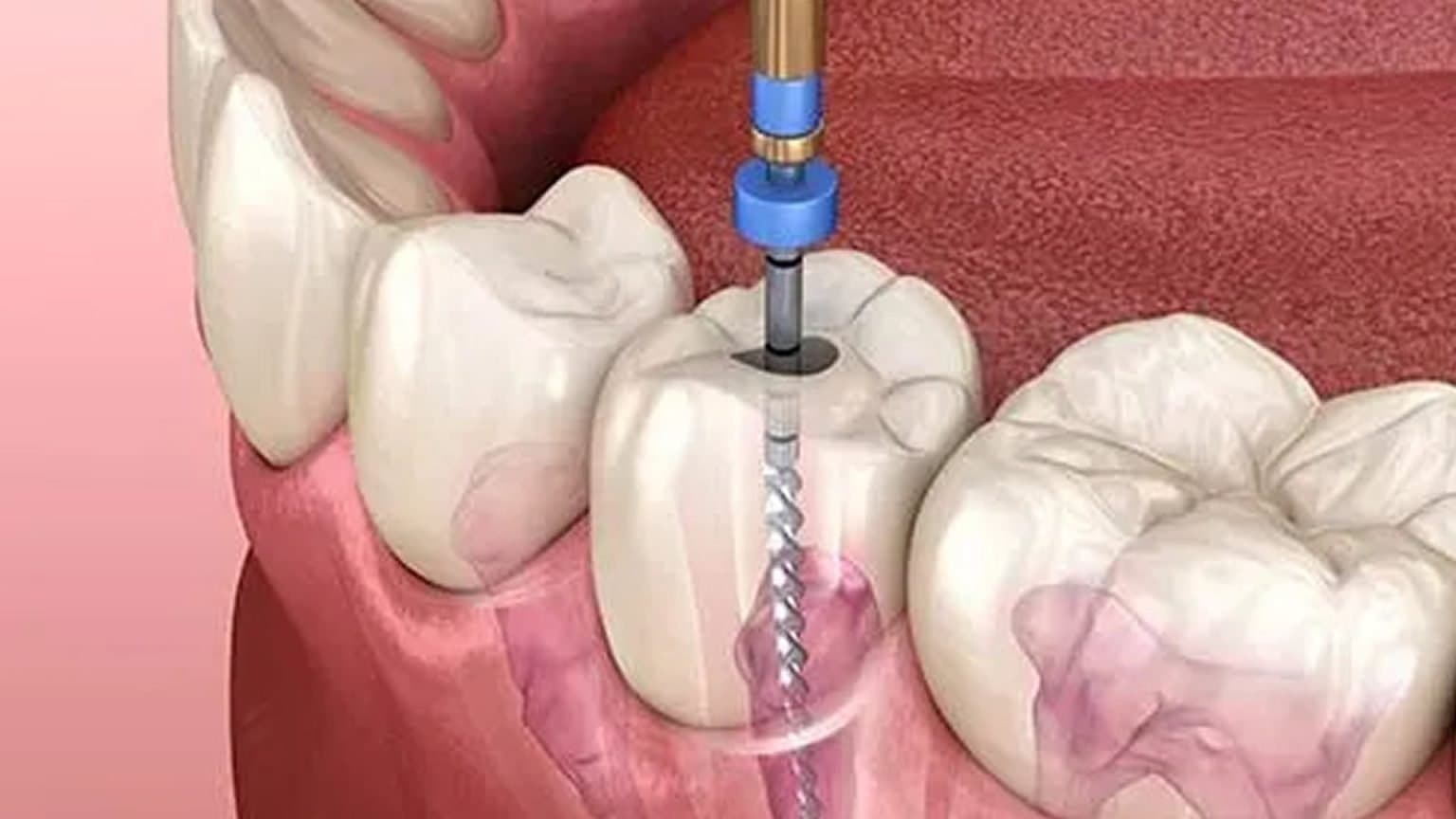


Tooth pulp is the soft tissue in the middle of each tooth, sort of like the inner core. Inside it there are nerves, blood vessels, and connective tissues, which are involved in growth and preserving the tooth, even when things get complicated. If the pulp gets damaged because of decay, an injury, or an infection, it can turn into a lot of pain, and usually it will have to be managed by a professional. Depending on how bad it is, the dentist may recommend root canals or other endodontic treatment options in order to keep the natural teeth and support oral wellbeing.
What is tooth pulp and why is it important for dental health?
All teeth contain living tissue inside, known as tooth pulp. It provides nourishment as the tooth grows and also contains nerves in order to help the tooth react to warmth and pressure. While a mature tooth might not need a pulp after treatment, it is crucial during the tooth's maturation.
After bacteria get introduced into the pulp cavity because of deep decay, a crack, or a bit of trauma, inflammation or infection can set in. And if it isn’t handled properly the harm can creep out from the tooth into other tissues too, more or less. With early diagnosis, the chances for keeping the natural tooth are way better, provided proper dental care is actually done.
What are the most common causes of tooth pulp damage?
The tooth pulp can be affected by various conditions.
Severe tooth decay that extends into the inner part of the tooth.
Unfilled cavities that provide an opening for bacteria to enter the pulp.
Chipped or broken teeth.
Accident- or sports-related dental injuries.
Multiple dental interventions on the same tooth.
Excessive tooth grinding or teeth clenching.
Fillings that are too large and compromise the tooth structure.
These conditions may contribute to the risk for pulp inflammation or infection; thus, it is important to quickly assess the condition of the teeth.
What are the symptoms of inflamed or infected tooth pulp?
The symptoms range in accordance with the extent of the damage, but some common symptoms are:
Persistent toothache.
Painful chewing or biting.
A prolonged sensitivity to either hot or cold.
Gums that enlarge around the tooth.
Tooth discoloration.
Soreness around the affected tooth.
A small gum abscess/drainage by the tooth.
The symptoms do not always mean that there is pulp damage but do suggest that a dental examination is required. If treatment isn't given in a timely manner, there could be a higher risk of the infection spreading and more extensive procedures being required.
How does a dentist diagnose tooth pulp damage and determine the severity of any damage?
A dentist can suspect tooth pulp damage because of the patient's symptoms, clinical examination, and dental X-rays of the tooth and bone. Some other tests may also be performed to check if the pulp is healthy or is inflamed or infected, including temperature or percussion testing.
The best treatment depends on the severity. Depending on the severity of the inflammation, it may be treated with addressing the cause, or if the pulp has been damaged beyond repair, irreversible treatment may be performed by removing the pulp through a dental root canal, or endodontic treatment, with preservation of the tooth whenever possible.
Services offered by LiT Dental include complete oral exams to determine if a patient has a dental condition that warrants Root canal therapy.
Conclusion
Damage to the pulp can happen because of untreated decay, injury or other dental matters, yet when it’s caught early, the chances of keeping the affected tooth are quite high. Spotting the signs and symptoms and getting prompt professional help can reduce the likelihood of extra complications. It also supports better oral health for the long run.
Dental facilities, including LiT Dental, offer an evidence-based diagnosis and treatment plan, with endodontic treatment provided as needed to maintain the natural teeth.