

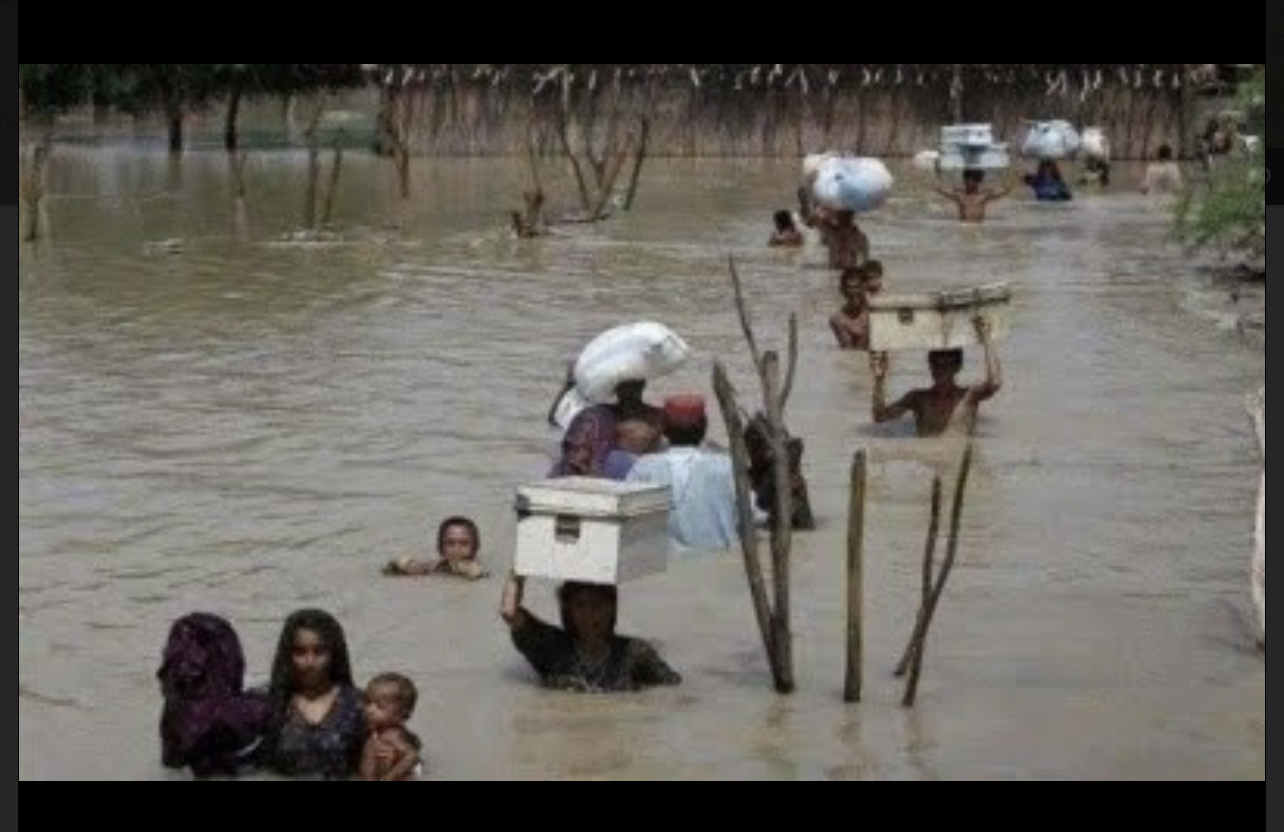
 Homeless, displaced, devastated: People in Pakistan’s flood-hit Sindh narrate tales of horror & loss
Climate change-induced sea-level rise and heavy downpour behind this unprecendented calamity
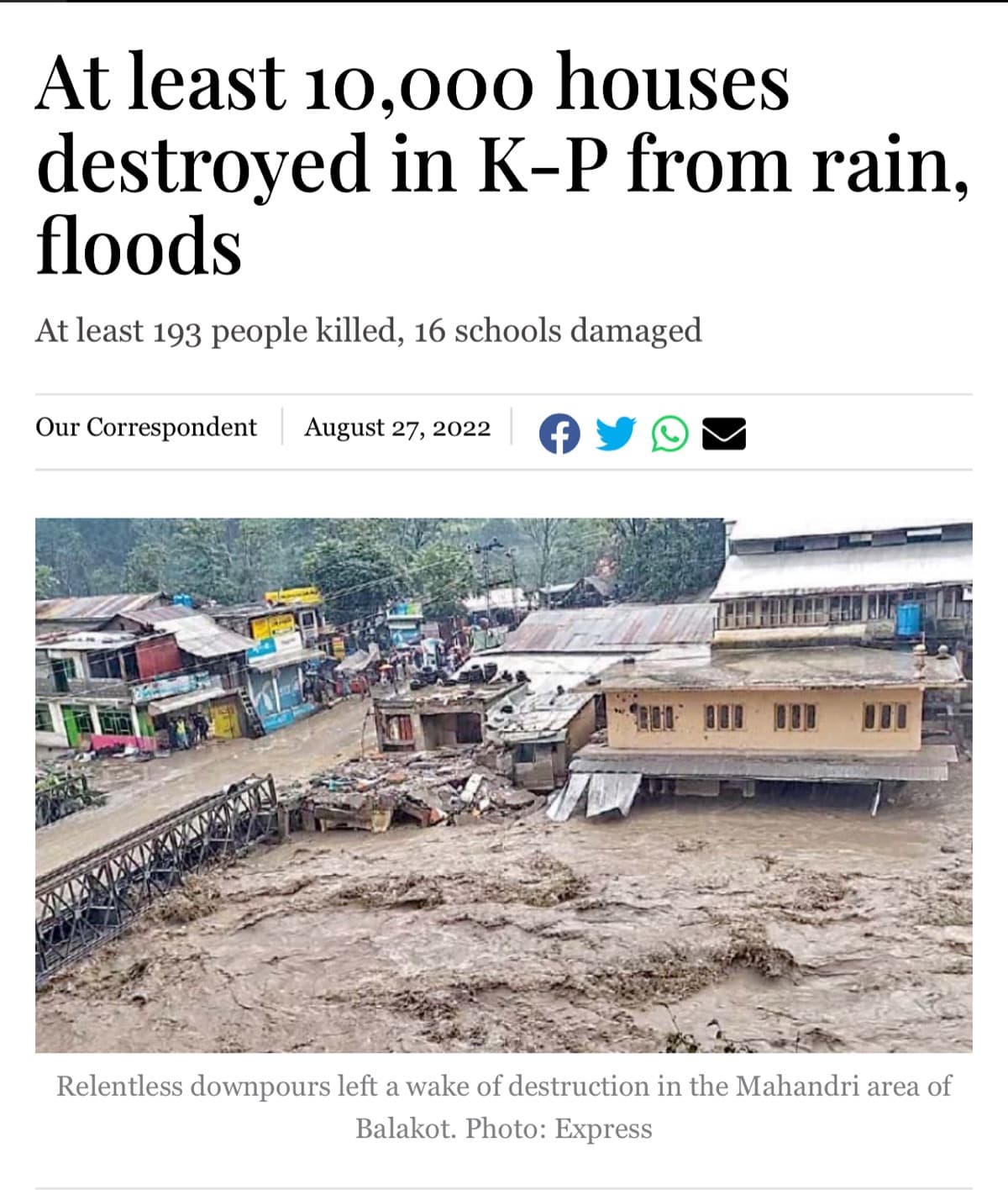
Heavy downpour resulting in floods in the second week of August have wreaked havoc in Pakistan, especially its Sindh and Balochistan provinces.
In Sindh, more than 1.6 million people have been affected (updated August 23, 2022), according to the Provincial Disaster Management Authority (PDMA). In the about 1,000-kilometre long coastal belt of Thatta district, Sindh, around 15,500 people lost everything and were displaced.
Floods from the sea washed away their home in Lakho Mallah near Keti Bandar, a town in Thatta.
The floods are caused by two main reasons: Sea-level rise due to melting of glaciers and Arctic sea ice, which expand the surface of seawater, and rising ocean temperatures which cause cyclones and heavy rainfall, the expert added.
A significant sea-level rise of 1 millimetre along coastal Sindh observed over hundreds of years has resulted in seawater intrusion inland, according to a research paper by Falak Shad Memon, assistant professor at the Institute of Business Management. Intruding sea water has a strong impact on communities in coastal areas, where economic activities are concentrated.
In Sindh, as many as 0.5 million people in the province are homeless, standing crops over 1.4 million acres have been destroyed, more than 386,039 houses were submerged and 231 people (updated August 23, 2022) lost their lives due to the recent floods.