Spotfund logo
Spotfund logo
Start Fundraising
PricingContact SupportStart Fundraising

Fundraise for

  • Medical Fundraising
  • Emergency Fundraising
  • Memorial Fundraising
  • Education Fundraising
  • Nonprofit Fundraising
  • Animal Fundraising
  • Community Fundraising

Featured topics

  • Easy Fundraising Ideas for Individuals
  • Creative Fundraiser Dinner Ideas
  • Raising Money for Medical Expenses
  • *spotfund for NIL Collective Fundraising
  • Giving Tuesday Fundraising 2025NEW

Trending in

  • Medical
  • Memorial
  • Emergency
  • Nonprofit
  • Family
  • Sports
  • Business

Featured topics

  • *spotfund as a Recurring Donation Solution
  • Matching Gift CampaignsPOPULAR
  • Why Recurring Donations Are Important for Nonprofits
  • How it works
  • Common questions
  • Success stories
  • For brands and nonprofits
  • How do I withdraw money?
  • *spotfund blog
  • Reviews from people like you
  • Compare *spotfund to others

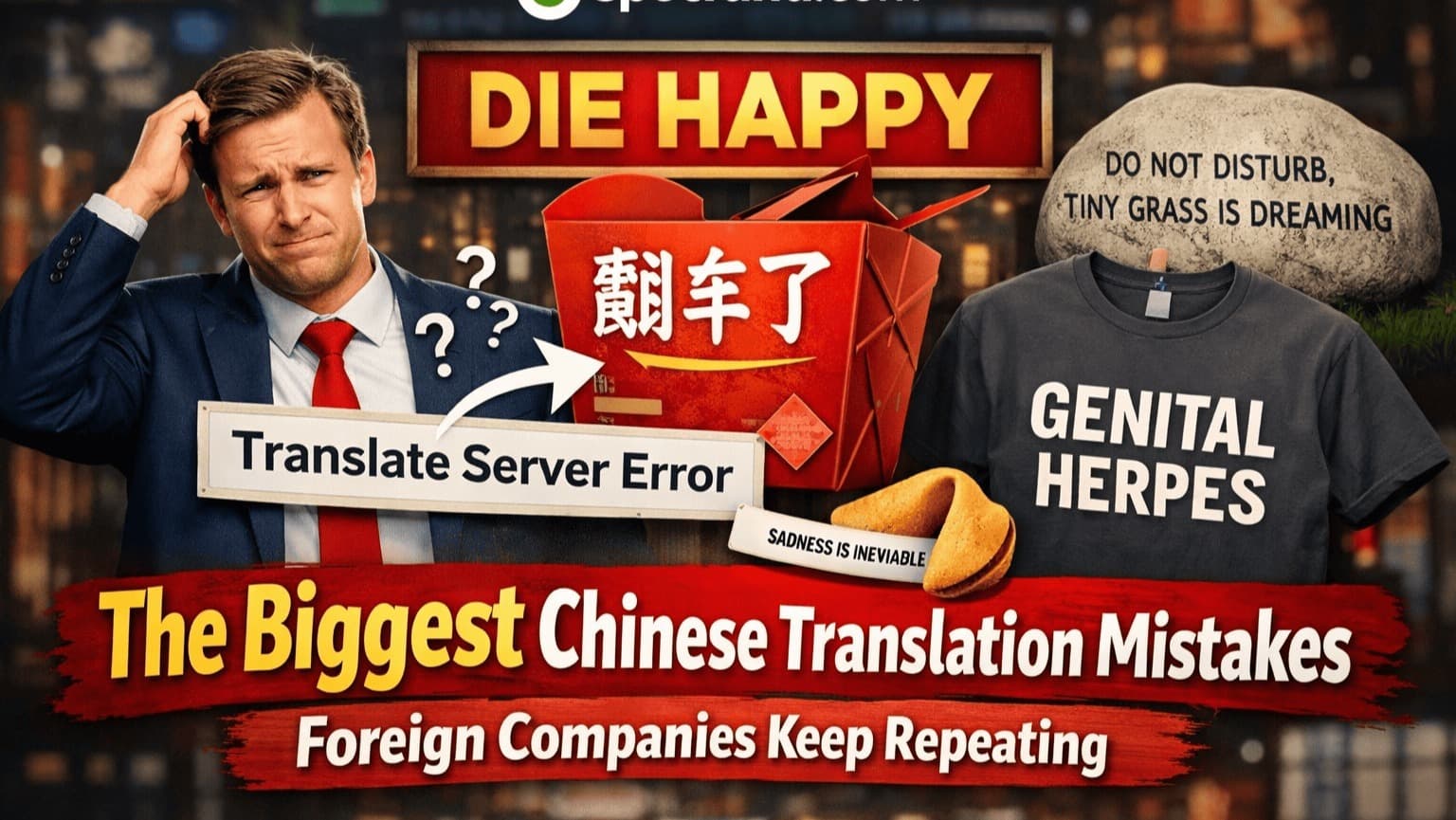
The Biggest Chinese Translation Mistakes

The Biggest Chinese Translation Mistakes

Fundraising for

Nonabots

Fundraising forNonabots
Sajid Sipra

Sajid Sipra

$0of $50 goal
0
Donors
0
Comments
0Share Arrow
Shares
Donation protected
👍 0% fee
Donations are tax-deductible

The Biggest Chinese Translation Mistakes Foreign Companies Keep Repeating

Many businesses entering the Chinese market make the same translation mistakes again and again. Incomplete understanding of language structure, culture, and audience needs leads to poor results. These errors affect brand image, reduce engagement, and sometimes cause legal or operational problems. Professional Chinese translation services help eliminate repeated mistakes and deliver accurate, effective content. A trusted provider like Ulatus ensures quality and cultural relevance.

1. Relying on Literal Word‑for‑Word Translation

One of the biggest and most common mistakes foreign companies make is translating word for word. In Chinese, many characters have multiple meanings depending on context. A literal conversion of each word often produces sentences that are awkward, confusing, or meaningless to native readers. Professional linguists understand phrasing and choose correct meanings based on context, not dictionary definitions. This prevents awkward or misleading language.

2. Ignoring Natural Chinese Word Order

English and Chinese have different grammar and sentence structure. Word order errors disrupt the natural flow of a sentence and make the content difficult to understand for Chinese readers. For example, time and place expressions often move to the beginning of the sentence in Chinese, unlike English. Ignoring these rules results in text that feels unnatural and distant from native usage. Proper translation considers grammar and ensures fluid, correct sentences.

3. Overusing Machine Translation Without Review

Many companies use machine translation tools, such as Google Translate, for speed and cost savings. These tools are useful for rough drafts or internal understanding, but they fail in professional settings because they miss tone, context, and industry terms. For technical or business documents, this leads to mistakes that confuse partners, misstate requirements, or misrepresent your message. Machine translation should never replace human review, especially for official content.

4. Failing to Handle Chinese Cultural Context

Translation is not just about language. It is also about culture. Chinese expressions, idioms, and social norms influence meaning. Ignoring cultural context leads to content that feels foreign or even offensive. For example, failing to localize marketing messages or slogans can result in awkward or damaging impressions. Foreign companies must work with cultural experts to avoid missteps and engage audiences effectively.

5. Misinterpreting Legal and Technical Terms

Legal, medical, financial, and technical vocabulary requires precision. Translating these terms incorrectly changes their legal implications, compliance requirements, or product specifications. Even when each word is correct, the term may carry a different meaning in Chinese legal or technical contexts. Errors like this can lead to contractual disputes or compliance issues. Using professional Chinese translation services ensures the correct terms are chosen and context is handled accurately.

6. Mixing Dialects and Writing Systems

China uses Simplified Chinese in Mainland China, but Traditional Chinese is used in Hong Kong and Taiwan. Foreign companies often produce content in the wrong writing system for their target audience. This mistake hurts accessibility and local relevance. Choosing the wrong version creates confusion and reduces engagement. Working with specialists who understand regional differences ensures the correct form is used for each market.

7. Ignoring Tone and Register

Chinese communication involves subtle changes in tone depending on context. Formal business documents require a different tone than marketing materials. A translation that ignores tone sounds awkward or unprofessional. Native readers notice unnatural phrasing immediately. Professional translators ensure that tone matches the purpose of the content and the expectations of the audience.

8. Failing to Localize Numbers, Dates, and Symbols

Chinese usage for dates, numbers, measurements, and symbols differs from English. Translating these elements without adaptation makes content confusing. For example, date formats and address ordering vary. Localized formatting improves clarity and usability. Quality translation includes correct adjustment of these elements.

9. Inconsistent Terminology Across Documents

Foreign companies often produce multiple documents for the same project. Without a consistent glossary, terms vary across translations. This creates confusion and weakens messaging. Translation memory and terminology databases help maintain consistency. Professional providers, such as Ulatus, use these tools to ensure uniform language use across all content.

10. Delaying Translation Until the Last Minute

Some companies treat translation as a final task instead of integrating it into planning. This approach leads to rushed work, mistakes, and high costs. Translation should be part of the project plan from the beginning. Early involvement of professional translators improves quality and reduces delays.

Conclusion

Foreign companies repeat many of the same translation mistakes when entering Chinese markets. Literal translation, ignoring grammar differences, relying solely on machine output, overlooking cultural context, misinterpreting terms, and inconsistent style are common issues. Professional Chinese translation services combine linguistic expertise, cultural knowledge, and quality workflows to avoid these pitfalls. A trusted partner like Ulatus delivers accurate, clear, and localized content that resonates with Chinese audiences.

Choosing a reliable provider protects your brand, improves communication, and supports successful foreign business operations.

Smiley Face

Be the first to donate and pin
your name here   📌

Organizer

Sajid Sipra

Show your support to Sajid Sipra by donating to this fundraiser benefiting Nonabots

The Biggest Chinese Translation Mistakes
Sajid Sipra

Sajid Sipra

Fundraising for

Nonabots

Fundraising forNonabots
Donation protected
👍 0% fee
Donations are tax-deductible

The Biggest Chinese Translation Mistakes Foreign Companies Keep Repeating

Many businesses entering the Chinese market make the same translation mistakes again and again. Incomplete understanding of language structure, culture, and audience needs leads to poor results. These errors affect brand image, reduce engagement, and sometimes cause legal or operational problems. Professional Chinese translation services help eliminate repeated mistakes and deliver accurate, effective content. A trusted provider like Ulatus ensures quality and cultural relevance.

1. Relying on Literal Word‑for‑Word Translation

One of the biggest and most common mistakes foreign companies make is translating word for word. In Chinese, many characters have multiple meanings depending on context. A literal conversion of each word often produces sentences that are awkward, confusing, or meaningless to native readers. Professional linguists understand phrasing and choose correct meanings based on context, not dictionary definitions. This prevents awkward or misleading language.

2. Ignoring Natural Chinese Word Order

English and Chinese have different grammar and sentence structure. Word order errors disrupt the natural flow of a sentence and make the content difficult to understand for Chinese readers. For example, time and place expressions often move to the beginning of the sentence in Chinese, unlike English. Ignoring these rules results in text that feels unnatural and distant from native usage. Proper translation considers grammar and ensures fluid, correct sentences.

3. Overusing Machine Translation Without Review

Many companies use machine translation tools, such as Google Translate, for speed and cost savings. These tools are useful for rough drafts or internal understanding, but they fail in professional settings because they miss tone, context, and industry terms. For technical or business documents, this leads to mistakes that confuse partners, misstate requirements, or misrepresent your message. Machine translation should never replace human review, especially for official content.

4. Failing to Handle Chinese Cultural Context

Translation is not just about language. It is also about culture. Chinese expressions, idioms, and social norms influence meaning. Ignoring cultural context leads to content that feels foreign or even offensive. For example, failing to localize marketing messages or slogans can result in awkward or damaging impressions. Foreign companies must work with cultural experts to avoid missteps and engage audiences effectively.

5. Misinterpreting Legal and Technical Terms

Legal, medical, financial, and technical vocabulary requires precision. Translating these terms incorrectly changes their legal implications, compliance requirements, or product specifications. Even when each word is correct, the term may carry a different meaning in Chinese legal or technical contexts. Errors like this can lead to contractual disputes or compliance issues. Using professional Chinese translation services ensures the correct terms are chosen and context is handled accurately.

6. Mixing Dialects and Writing Systems

China uses Simplified Chinese in Mainland China, but Traditional Chinese is used in Hong Kong and Taiwan. Foreign companies often produce content in the wrong writing system for their target audience. This mistake hurts accessibility and local relevance. Choosing the wrong version creates confusion and reduces engagement. Working with specialists who understand regional differences ensures the correct form is used for each market.

7. Ignoring Tone and Register

Chinese communication involves subtle changes in tone depending on context. Formal business documents require a different tone than marketing materials. A translation that ignores tone sounds awkward or unprofessional. Native readers notice unnatural phrasing immediately. Professional translators ensure that tone matches the purpose of the content and the expectations of the audience.

8. Failing to Localize Numbers, Dates, and Symbols

Chinese usage for dates, numbers, measurements, and symbols differs from English. Translating these elements without adaptation makes content confusing. For example, date formats and address ordering vary. Localized formatting improves clarity and usability. Quality translation includes correct adjustment of these elements.

9. Inconsistent Terminology Across Documents

Foreign companies often produce multiple documents for the same project. Without a consistent glossary, terms vary across translations. This creates confusion and weakens messaging. Translation memory and terminology databases help maintain consistency. Professional providers, such as Ulatus, use these tools to ensure uniform language use across all content.

10. Delaying Translation Until the Last Minute

Some companies treat translation as a final task instead of integrating it into planning. This approach leads to rushed work, mistakes, and high costs. Translation should be part of the project plan from the beginning. Early involvement of professional translators improves quality and reduces delays.

Conclusion

Foreign companies repeat many of the same translation mistakes when entering Chinese markets. Literal translation, ignoring grammar differences, relying solely on machine output, overlooking cultural context, misinterpreting terms, and inconsistent style are common issues. Professional Chinese translation services combine linguistic expertise, cultural knowledge, and quality workflows to avoid these pitfalls. A trusted partner like Ulatus delivers accurate, clear, and localized content that resonates with Chinese audiences.

Choosing a reliable provider protects your brand, improves communication, and supports successful foreign business operations.

Organizer

Sajid Sipra

Show your support to Sajid Sipra by donating to this fundraiser benefiting Nonabots

$0of $50 goal
0Donors
0Comments
0Share ArrowShares
Smiley Face

Be the first to donate and pin
your name here   📌

★★★★★ Trustpilot Reviews

Ready to start?

Join the thousands like you finding help on *spotfund.

Start FundraisingHow it works
Spotfund Balloons