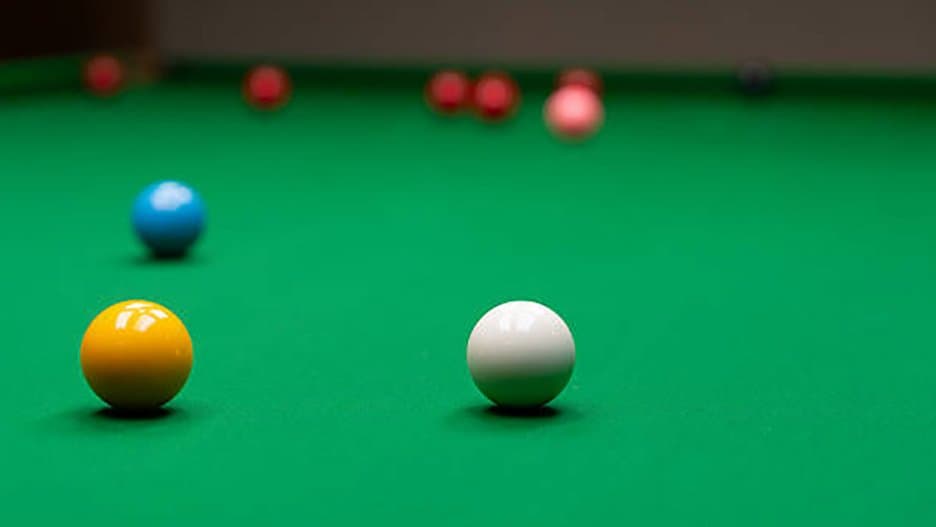

There is something wonderfully old-fashioned about a pool table. Put one in a room and, sooner or later, people will naturally gather around it.
Someone might picks up a cue and says, “Just one game.” Another person starts giving completely unsolicited advice. A quiet observer suddenly wants a turn. Before long, strangers are chatting like old mates, and the room has a completely different energy.
That is the curious charm of cue sports. In a world where so much social life happens through screens, a pool or snooker table gives people a reason to put their phones down, look up and engage face-to-face. And sometimes, the value of that interaction far outweighs the game itself.
A Game That Doesn't Care About Age
Few leisure activities bring people of different generations together as naturally as billiards.
Teenagers can compete alongside their parents; college students can challenge opponents twice their age; and absolute beginners can share a table with seasoned club veterans. While mastering the rules takes time, extending an invitation is delightfully simple: " Fancy a frame?"
This accessibility is one of the reasons why snooker and pool have such enduring appeal. You don’t need extraordinary athletic talent or expensive cue equipment to get started. All you need is curiosity, a table, and a partner willing to play.
However, as your skills improve, having the right equipment becomes increasingly important. A reliable snooker cue not only makes casual matches more enjoyable but also provides the stability needed for regular players to develop their technique.
The Social Connection Often Matters More Than the Score
Ask people why they visit their local pool club, and winning is rarely the primary reason. They come for the camaraderie, for the familiar faces behind the bar, the casual chatter between frames, and the friendly, long-standing rivalries.
Someone might spend twenty minutes complaining about missing the black eight-ball, only to sit back down with enthusiasm and start the next game against the very same opponent. That is precisely the beauty of the game. A pool table creates a little space where competition and friendship can comfortably sit side by side.
Why Beginners Shouldn't Be Afraid of the Table
Stepping into a long-established pool hall for the first time can be a bit daunting. Everyone there seems like a seasoned pro, casually discussing breaks, cushions, spin, and positional play as if they were talking about the weather. Yet, every confident player was once a novice who didn't even know which end of the cue to use for chalking up.
The easiest way to learn is simply to jump in and play a few games. Start with simple shots, ask plenty of questions, and observe other players. Don't worry about looking clumsy; the kind of skilled players worth knowing would never mock a beginner for missing a shot. In fact, many experienced players are happy to help newcomers discover the joy of the cue sport.
Pool Makes a Brilliant Social Activity
Pool is perfect for relaxed, casual gatherings. It requires no lengthy warm-ups or complex preparations. You can play a quick, fast-paced game while out for the evening, or spend hours honing your skills against friends.
English-style pool has a uniquely leisurely pace, making English pool cues a natural choice for players who enjoy both social matches and competitive play. For "8-ball" enthusiasts, a dedicated 8-ball cue can instantly turn a casual get-together into a friendly competition.
Suddenly, no one cares what’s on TV; everyone’s attention is focused on the table, eagerly awaiting their turn to play.
You Don't Need to Spend a Fortune
Another reason pool remains an accessible sport is the wide variety of equipment available today. Beginners don't need to start by purchasing expensive, handcrafted cues.
There are many affordable options on the market that are perfect for casual players, beginners, and families looking for a durable billiard cue for everyday fun. For homes, clubs, or shared spaces, investing in a set of pool cues is a smart move, ensuring that anyone wanting to play doesn't have to go through the hassle of bringing their own gear.
A Table Can Become a Community
Think of places where people naturally gather: cafés, sports clubs, community centers, bars, or homes. A pool table can easily become the heart of such spaces.
It offers a chance to reconnect with long-lost friends; it helps introverts strike up conversations with ease; it turns competition into laughter; and sometimes, it even sparks connections between complete strangers.
This social value is often overlooked simply because the sport is so familiar and commonplace. Yet, that familiarity may well be the secret to its enduring appeal.
Final Thought
In an increasingly digital world, we should perhaps cherish these simple, tangible spaces for social interaction. A pool table. A few cues and cue balls. People gathering to chat. No interruptions from mobile notifications, no endless scrolling, just a game and the potential for conversation it creates.
You might have intended to play just a quick round, only to leave two hours later having made new friends, gained a deeper appreciation for the sport, and collected a story worth telling. That is the quiet charm of pool: the balls eventually stop rolling, but the conversation lives on.