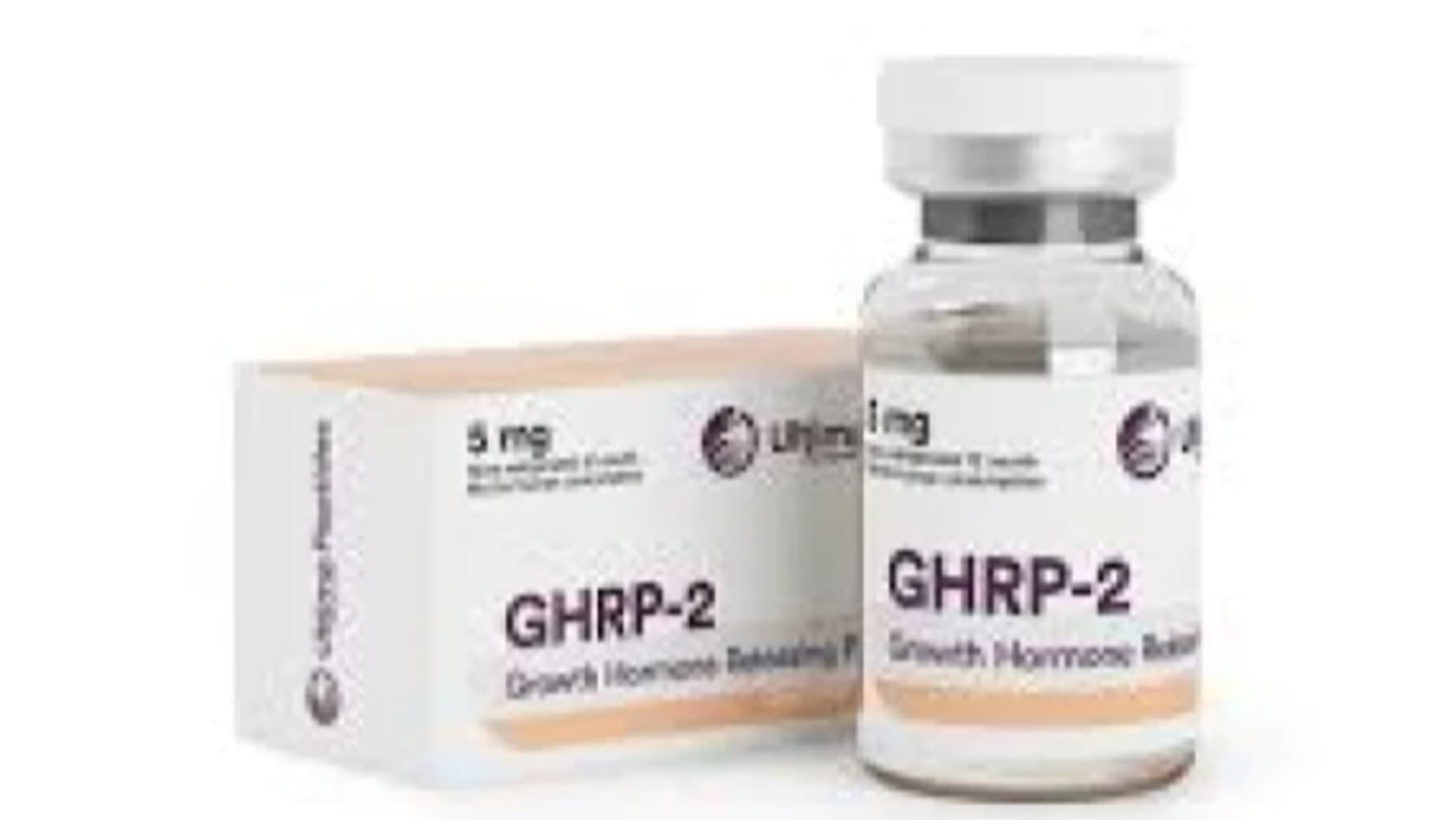


Understanding GHRP-2 and BPC-157: What They Are
GHRP-2 (Growth Hormone Releasing Peptide-2) and BPC-157 (Body Protection Compound-157) are both synthetic peptides studied in research settings for their potential biological effects.
- GHRP-2 belongs to a class of peptides known as secretagogues — compounds that stimulate the release of growth hormone from the pituitary gland. It has been investigated in laboratory and animal studies for possible effects on body composition, recovery, and metabolism.
- BPC-157 is a peptide fragment derived from a protective protein in gastric juice. In preclinical research, BPC-157 has been studied for potential tissue repair, anti-inflammatory effects, and gut protection. However, robust clinical evidence in humans is lacking.
It’s important to stress that although these compounds generate interest in fitness and wellness communities, they are not approved medications, and their safety and efficacy in humans remain under investigation.
Legality and Regulation: What You Should Know
Before discussing cost, it’s crucial to understand the regulatory context:
- In many countries, peptides like GHRP-2 and BPC-157 are regulated as research chemicals, meaning they are intended for laboratory research only, not for human consumption.
- In the United States and Europe, for example, these peptides are often marketed “for research purposes only,” and sellers typically include disclaimers that they are not for use in humans.
- Laws differ by country. In some places, possession or use outside a research context may be restricted by law.
Because of this, you should check local laws and regulations before acquiring or using any peptide. Compliance with legal and safety standards is essential.
Factors That Influence Cost
The price of research peptides like GHRP-2 and BPC-157 can vary widely due to several factors:
1. Purity and Quality
Peptides are usually analyzed by chromatography to determine their purity. Higher-purity products (e.g., >98%) tend to cost more because of the extra quality control involved.
2. Quantity (mg per vial or order)
Peptides are often sold in small quantities measured in milligrams (mg). Buying larger quantities usually reduces the price per mg, although overall cost increases.
3. Form (Powder vs. Reconstituted)
Peptides typically come as a lyophilized (freeze-dried) powder that must be reconstituted with a solvent before research use. Some sellers also provide pre-reconstituted vials at a premium cost.
4. Manufacturer Reputation
Companies with established quality assurance practices may charge more due to reputation and documented quality. Lesser-known sellers may be cheaper but carry higher risk of impurity or mislabeling.
5. Shipping and Handling
International shipping, cold-chain requirements, and packaging for stability can add to the cost. Import duties and customs fees may also apply depending on where you are located.
6. Supply and Demand
Peptide availability and market demand can impact pricing over time. Limited supply or high demand may drive cost up.
Typical Cost Ranges (Indicative Only)
The following ranges are estimates based on general market observations for research peptides. Actual prices will vary and may change over time. They reflect typical figures quoted by research peptide suppliers:
GHRP-2
- Price per mg (bulk quantities): Often between $1 to $4 USD per mg
- Small vial (e.g., 5 mg to 10 mg): Can range from approximately $20 to $80 USD depending on purity and vendor.
BPC-157
- Price per mg (bulk quantities): Typically slightly lower per mg than GHRP-2, often in a range like $0.50 to $3 USD per mg
- Small vial (e.g., 2 mg to 10 mg): Often between $10 to $60 USD, depending on purity and source.
Again, these numbers are illustrative estimates. Prices can vary outside these ranges, and discounts may be available for larger orders.
Risks and Safety Considerations
1. Lack of Approved Human Use
Neither GHRP-2 nor BPC-157 has been approved by major regulatory agencies (such as the FDA) for medical use. Research results from animals or small clinical observations do not guarantee safety or effectiveness in humans.
2. Quality and Contaminants
Products marketed as research peptides are not always subject to rigorous regulatory quality control. Contaminants, incorrect labeling, and variable purity have been documented in unregulated markets.
3. Health Risks
Possible side effects could include hormonal imbalances, immune reactions, or interactions with other biological pathways. Because human studies are limited, long-term effects are unknown.
4. Legal and Ethical
Using peptides outside approved research settings may violate laws or sporting regulations. Athletes should be aware of anti-doping rules that prohibit certain substances.
Alternatives and Responsible Approaches
If your interest in these peptides stems from goals like improving recovery, performance, or healing, consider evidence-based approaches:
- Nutrition Optimization: Adequate protein, micronutrients, and calories tailored to your goals.
- Exercise Programming: Periodized training with appropriate recovery.
- Sleep and Stress Management: Critical components of physiological health.
- Medical Consultation: A healthcare provider can recommend approved therapies for specific conditions.
Always prioritize safety and legality over unregulated and unapproved experimental compounds.
Conclusion
GHRP-2 and BPC-157 are peptides that have attracted attention for their potential biological effects in research contexts. Understanding the cost involves recognizing factors like purity, quantity, manufacturer, and shipping. Typical pricing can range from a few dollars per milligram to tens of dollars for small vials.
However, these compounds are typically not approved for human use, and the legal and safety considerations are significant. Before considering any research peptide, make sure you understand the regulatory status in your location, the limitations of existing evidence, and the risks involved.