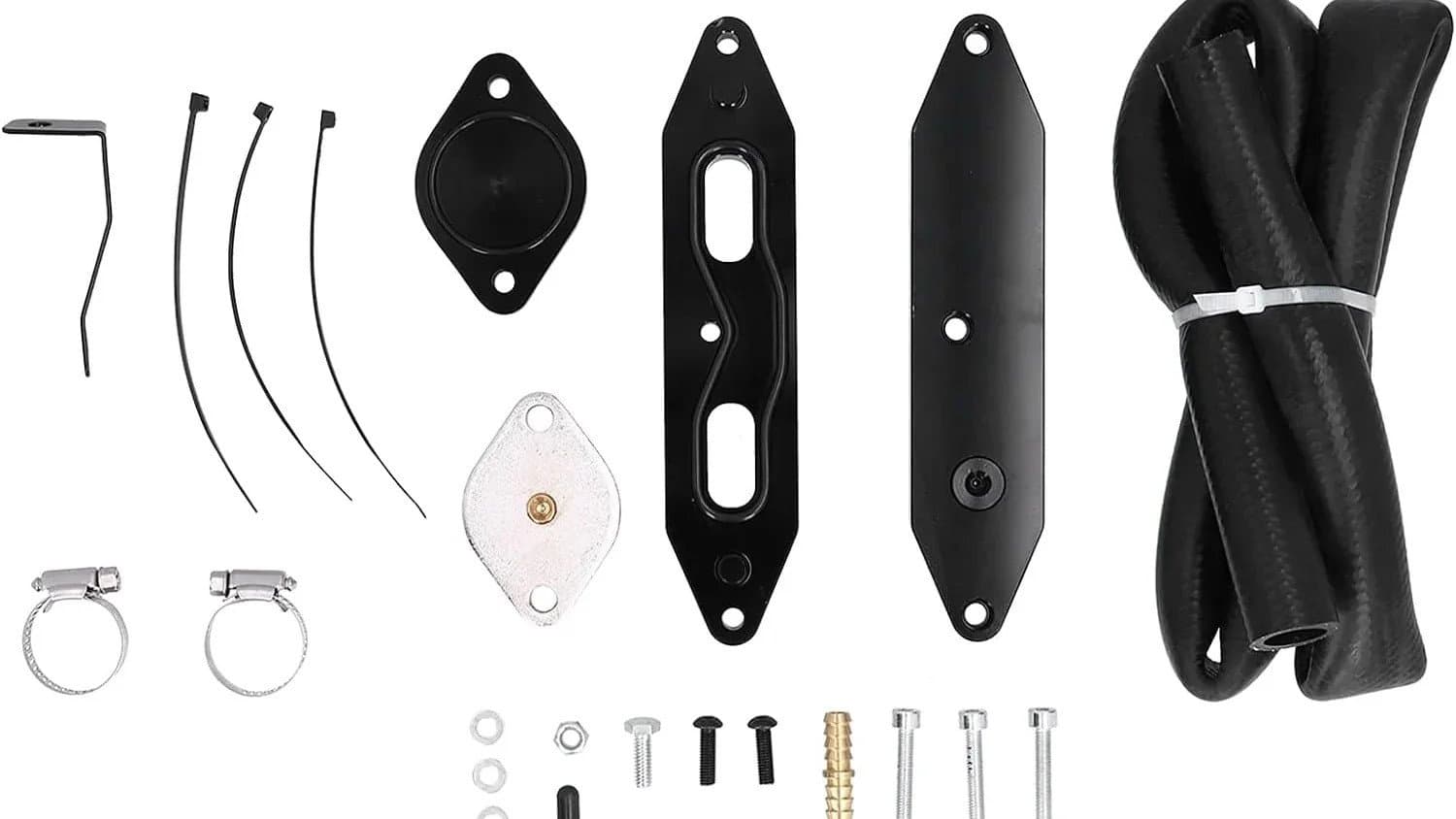


Modern diesel trucks are built to deliver excellent towing capability, dependable performance, and long lasting durability. At the same time, they include advanced emissions equipment that helps reduce environmental impact while adding complexity to the engine system. Many truck enthusiasts who use their vehicles for specialized applications often research different performance modifications to better understand how these systems work. During this search, the term EGR Delete Plate For 6.7L Powerstroke frequently appears because it is associated with discussions about engine airflow, maintenance, and overall performance. Understanding the purpose of this component and why owners talk about it can help drivers make informed decisions while remaining aware of local laws and manufacturer requirements.
Understanding the Role of the EGR System
The Exhaust Gas Recirculation system, commonly known as the EGR system, is designed to reduce nitrogen oxide emissions by redirecting a portion of exhaust gases back into the engine. This process lowers combustion temperatures and helps the engine meet modern emissions standards. While the system plays an important environmental role, it also introduces soot and carbon deposits into the intake system over time. These deposits may gradually accumulate and become a concern for some owners who drive in demanding conditions or regularly haul heavy loads. Learning how the EGR system functions provides valuable insight into why many truck owners explore different maintenance and modification options.
Why Diesel Owners Research EGR Delete Options
Truck owners often look for ways to improve reliability, especially when their vehicles are used for commercial work, towing trailers, or off road activities. Discussions about EGR delete components usually focus on reducing carbon buildup inside the intake system and maintaining smoother airflow. Enthusiasts also mention the possibility of simplifying engine maintenance in situations where carbon accumulation becomes significant. It is important to remember that emissions equipment is legally required for vehicles driven on public roads in many regions, so owners should always understand the applicable regulations before making any modifications.
Potential Performance Considerations
One reason performance enthusiasts discuss diesel modifications is the desire for more consistent engine operation under demanding workloads. Cleaner airflow and reduced soot circulation are commonly mentioned benefits in technical discussions about engine efficiency. Some drivers believe these changes may contribute to improved throttle response and more predictable power delivery during towing or hauling. However, actual performance results depend on many factors, including engine condition, maintenance history, fuel quality, and proper tuning. Simply changing one component does not guarantee significant improvements without considering the entire engine system.
Maintenance and Long Term Reliability
Routine maintenance remains one of the most important factors in preserving diesel engine health. Regular oil changes, quality fuel filters, clean air filters, and scheduled inspections help extend engine life regardless of any performance upgrades. Some owners researching the EGR Delete Plate For 6.7L Powerstroke are motivated by concerns about carbon buildup that may affect intake passages over thousands of miles. Even so, following manufacturer maintenance recommendations and addressing issues early often provides excellent long term reliability for many trucks operating under normal conditions.
Legal and Environmental Responsibilities
Before considering any emissions related modification, truck owners should understand the legal requirements in their country or state. Many regions prohibit removing or disabling emissions equipment on vehicles operated on public roads because these systems help reduce harmful pollutants. Violating these regulations can result in fines, failed inspections, or warranty concerns. Responsible ownership means balancing performance interests with environmental responsibility and compliance with applicable laws. Drivers should always verify regulations before making decisions involving emissions systems.
Choosing Quality Components for Specialized Applications
When researching aftermarket parts for competition or other legally permitted specialized uses, quality should always be a priority. Precision manufacturing, durable materials, and accurate fitment contribute to dependable installation and long service life. Inferior components may create sealing issues or compatibility problems that lead to unnecessary repairs. Reading product specifications, confirming compatibility with the correct engine model, and purchasing from reputable manufacturers are all important steps for anyone evaluating aftermarket diesel components.
Balancing Performance Goals with Practical Ownership
Every truck owner has different priorities depending on how the vehicle is used. Some focus on towing heavy equipment, while others value fuel economy, reliability, or long distance driving comfort. Understanding the advantages and limitations of different modifications helps owners make better informed decisions based on their specific needs. Researching products such as the EGR Delete Plate For 6.7L Powerstroke should always include consideration of maintenance requirements, legal restrictions, warranty implications, and the intended use of the truck. Careful planning often delivers better long term satisfaction than making changes without understanding their full impact.
Conclusion
Diesel trucks continue to earn a strong reputation for power, durability, and versatility across many industries and recreational activities. As owners seek ways to maximize performance and reliability, they often encounter discussions about emissions systems and aftermarket components. Understanding how the EGR system operates, why modifications are discussed, and the legal responsibilities associated with emissions equipment allows truck owners to make educated decisions. Whether the priority is dependable towing, efficient maintenance, or preserving long term engine health, informed research and responsible ownership remain the best approach for getting the most from a 6.7L Powerstroke.