

Entrepreneurs Can Benefit from 11 Strategies to Reduce Financial Stress
Think you’re stressed because you’re bad with money?
What if the real reason you’re financially stressed is that your business revenue fluctuates, expenses spike, and seasonal cycles flip your cash flow?
Entrepreneurs can gradually build financial stability through consistent planning and cash flow management. ♥️
Let’s take a closer look at 11 practical tips for entrepreneurs to maintain financial health, reduce stress, and improve long-term stability. 👇
1. Create a curveball account for unexpected expenses
Look at your revenue and expenses over the last 12 months.
Identify:
Your lowest revenue month.
Your highest expense month.
Subtract the two to find the amount your business would need if those extremes occurred back-to-back. Make this your curveball buffer amount for your emergency fund.
So, step-by-step:
Open your revenue and expense reports for the last 12 months.
Note the lowest monthly revenue (Rmin) and the highest expense (Emax).
Note your Buffer target = Emax – Rmin.
Fund a dedicated account monthly until the buffer is fully covered.
If your revenue fluctuates weekly instead of monthly, break the buffer into weekly targets.
*Pro-Tip: Track your progress visually. Use a simple bar chart to see growth and motivate consistent funding.
Here’s a template you can work off (the first two lines are filled in as examples):

2. Develop contingency plans for key risks
Define triggers, actions, and timelines for potential problems. Write it down and automate notifications where possible.
Here’s an example template:
Trigger: Two consecutive cancellations, three late invoices, or sudden supply shortage.
Immediate action: Review pipeline or lead list, send follow-ups, notify key suppliers.
Secondary action (within three days): Adjust marketing, shift staff schedules, or move orders.
Time horizon: Short-term (72 hours), medium-term (30 days), long-term (90+ days).
Set up these triggers in a project management tool or calendar, so the system alerts you automatically. You can also use conditional formatting in spreadsheets to highlight which triggers are active.
3. Build 10–15% flex margins into your budgets
Add a buffer to your budget for extra wiggle room, just in case you need it. (Like when material costs spike, jobs run long, or inventory runs low.)

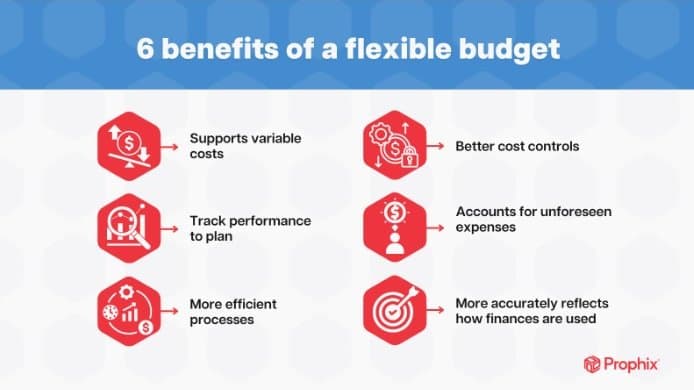
Benefits of a Flexible Budget
Here’s what to do:
Review each line item in your budget.
Add 10–15% to materials, labor, or subcontractor costs.
Track flex margins separately in your accounting software.
Make sure to check your margins monthly.
If margins are consistently over, investigate workflow or pricing problems. For example, if your labor flex margin disappears quickly, you may need to renegotiate contracts or adjust vendor contracts.
4. Invest to earn more money as you grow
Decide on a fixed percentage you can invest from your profit, even if it’s small.
For example, try investing 5% into a retirement account or a low-cost index fund, and another 5% into a separate rainy-day savings account.
Here’s a quick investment action plan:
Calculate your monthly net profit after all expenses.
Apply the chosen percentage to your retirement account plan and investment accounts automatically.
Track monthly balances to monitor growth and adjust contributions if profits increase.
When revenue dips, you’ll have a stable baseline to rely on without touching operational cash.
5. Centralize financial operations with intranet software and productivity software
Bring invoices, approvals, vendor agreements, and dashboards into a single intranet platform. You can also embed live dashboards that show your cash runway, burn rate, AR aging, and budget vs. actuals, so everyone works from the same numbers without chasing updates.
Here’s how to set it up:
Import all active vendor contracts and invoices.
Assign approval workflows with deadlines and automated notifications.
Build dashboards to track:
Cash flow
Burn rate
Payment due dates
Resource allocation
Once centralized, hold your team accountable to update entries immediately after each financial transaction.
Since payroll is often one of the largest recurring expenses for entrepreneurs, tracking workload distribution can help prevent overstaffing, burnout, or unexpected labor costs.
It can even help minimize risk by keeping compliance checklists, security procedures, and incident response steps all in one place. When something goes wrong, your team can act quickly—and your auditors will appreciate it.

Productivity and Workload Screenshot
Operational visibility only solves part of the problem. Entrepreneurs also need enough liquidity to manage recurring expenses without disrupting day-to-day operations.
6. Put routine expenses on business credit cards or lines of credit
Use business credit for recurring costs (instead of electronic transfers or your debit card) to protect your liquid cash.
But make sure to align your payments with revenue cycles to avoid using credit as a crutch and snowballing into debt.
Try this:
List all recurring expenses eligible for credit.
Schedule payments to match expected cash inflow.
Track balances weekly to ensure repayment.
Consider leaving a small balance on your card at all times to actively build your business credit score. If you pay it off in full every month, it won’t report as active credit usage and won’t help you build business credit.
That said, if building business credit isn’t a priority, paying balances off monthly may help reduce financial pressure and keep your cash flow more predictable.
Unexpected health issues can create additional financial pressure for entrepreneurs, especially when income fluctuates month to month. In situations where medical costs are difficult to manage up front, some people consider a personal loan for medical expenses to avoid disrupting business operations or draining company cash reserves. Before moving forward, it’s important to review repayment terms and interest rates carefully.
*Pro-Tip: If you still want to build business credit while managing short-term expenses, consider using a separate secured financial product for routine costs.
(Shop around to get the lowest interest rate and fair loan terms. Check your credit report quarterly to see how your score changes in real time.)
7. Forecast your monthly, quarterly, and annual cash flow
Project revenue, expenses, and cash requirements monthly for the next 12 months.
Build a spreadsheet or use your intranet to add a cash flow forecast section.
Factor in:
Marketing campaigns and expected returns.
Social security payments and taxes.
Incoming revenue streams.
Seasonal revenue trends.
Investment allocations.
Supplier cost shifts.
Routine expenses.
Loan payments.
Payroll peaks.
Savings.
Here’s a simple table template you can use or build off of:

Highlight any month where the projected cash flow turns negative. (Notice that April is highlighted above since cash flow will be negative 2,000 that month.) Plan actions such as shifting expenses, increasing marketing, or negotiating vendor payment terms.
For example, if you need to buy materials to build metal carports in April, first check metal carport prices to see if you can negotiate prices or find lower-cost suppliers. Or, consider pre-selling orders or offering early-bird discounts to collect cash before purchasing steel and other supplies.

Metal Carport Prices
You can also stagger steel deliveries or pay suppliers in installments to avoid a large one-time expense — and prevent a month from going deeply negative. (PS: Need more support for a big purchase? Consider hosting a fundraiser.)
Alternative funding options can also help smooth out temporary cash gaps without disrupting operations. For entrepreneurs managing seasonal demand or unexpected costs, community-based fundraising platforms like Spotfund can provide additional flexibility while preserving working capital.
8. Improve your financial literacy and get expert advice
Prioritize both financial education and business education. Spend 30–60 minutes each week learning one area, then immediately apply it.
Focus on the financial factors that directly affect both your business stability and borrowing power, like:
Debt management: Understand interest rates, penalties, and prepayment options.
Pricing: Calculate gross margin for each service or product.
Payroll: Forecast staff cost changes with revenue swings.
Cash cycles: Track exact time from invoice to payment.
Financial stress often comes from issues hidden in your financial history. For entrepreneurs, personal and business finances are often closely connected, making it important to regularly review any credit report charges that could affect future funding opportunities or business credit access.
For example, you might recalculate pricing, adjust loan payment terms, dispute inaccurate records, or renegotiate supplier contracts based on what you uncover during these reviews.
*Pro-Tip: Meet with a financial advisor or mentor, too. Tell them you’re eager to learn as much as you can. You can also sign up for fully remote financial education programs so you can take lessons on your own time.
9. Build emotional resilience alongside financial resilience
It’s completely normal to have slow months or surprise bills. The problem is that stress-driven decisions often lead to rushed borrowing, delayed payments, or reactive budgeting choices that create larger financial problems later.
But if you don’t have emotional resilience, you might start panicking, which is just going to worsen your financial stress.
Try building your window of tolerance with these practical habits:
Schedule a weekly financial review rather than checking daily under stress.
Walk or take a short break before checking accounts. (My favorite.)
Breathe before responding to invoices or emails.
Pair this with your forecasting and curveball buffer, so when stress hits, you’ll respond with a plan that protects your financial well-being, instead of panicking.
10. Diversify your income streams to make business financials more stable
Add at least one new revenue source or customer segment every six months. Consider income streams that complement your current clients, leverage existing systems, and require minimal overhead.
For example:
Sell maintenance plans if you run a repair shop.
Add editing services if you’re a photographer.
Offer corporate catering if you run a bakery.
Start small and track ROI for three months before scaling.
Use your weekly financial review to track how each new stream affects cash flow. (More on this below!)
11. Schedule weekly financial review sessions
Set up a short, structured weekly review:
Check for rising expenses or missed payments.
Review new leads or client activity.
Track staff workload distribution.
Act immediately on the largest gaps. (Call overdue clients, adjust scheduling, or review supplier pricing.) If you hit a snag and need money, try crowdfunding or apply for a business loan.
Make sure to review both your business and personal finances every week so you can catch small issues before they become crises.
Wrap up
You can’t control every surprise in business. But you can control how you prepare yourself and respond. And you can always turn to financial education resources for more support.
Together, these strategies help entrepreneurs create more predictable cash flow, reduce reactive decision-making, and build long-term financial stability.
Create a curveball account for unexpected expenses
Develop contingency plans for key risks
Build 10–15% flex margins into your budgets
Invest to grow your money passively
Centralize financial operations with intranet software and productivity software
Put routine expenses on business credit cards or lines of credit
Forecast your monthly, quarterly, and annual cash flow
Improve your financial literacy and get expert advice
Build emotional resilience alongside financial resilience
Diversify your income streams to make business financials more stable
Schedule weekly financial review sessions
PS: Looking for flexible ways to raise capital without relying entirely on traditional funding? Spotfund helps entrepreneurs and small businesses launch fundraising campaigns that support growth, recovery, and new opportunities.
Author Bio:

Ioana Wilkinson
Ioana is a business strategist and content writer for B2B tech and SaaS brands. She also helps aspiring entrepreneurs build remote businesses. Born in Transylvania and raised in Texas, Ioana has been living the digital nomad life since 2016. When she’s not writing, you can catch her snorkeling, exploring, or enjoying a café con leche in Barcelona!