

Introduction
Designing a compact washroom that is both stylish and functional can be a challenge, especially when accessibility is a top priority. Modern spaces require thoughtful planning to ensure that every user, regardless of mobility, can use the facilities comfortably and safely. This is where ADA bathroom sinks play a crucial role. These sinks are specifically designed to meet accessibility guidelines while still offering sleek aesthetics and efficient use of space. Whether you are planning for a commercial facility, a hospitality environment, or even a modern home, incorporating compliant fixtures helps create an inclusive and practical washroom layout.
In recent years, manufacturers have made significant advancements in materials and design, allowing ADA-compliant sinks to blend seamlessly into contemporary interiors. Brands focusing on solid surface solutions, like those found on platforms such as kingkonree, offer innovative sink designs that maximize durability and visual appeal. By combining smart layout strategies with high-quality materials, it becomes possible to build a compact washroom that does not compromise on usability, hygiene, or style.
Understanding ADA Bathroom Sink Requirements
Before planning any layout, it is important to understand the basic requirements that define ADA bathroom sinks. These guidelines ensure that sinks are accessible to individuals using wheelchairs or those with limited mobility. Key factors include proper mounting height, sufficient knee clearance, and easy-to-reach faucet controls. These features are not just regulatory requirements but essential components of user-friendly design.
Another important aspect is the clear floor space around the sink area. This space allows users to maneuver comfortably without obstruction. When designing compact washrooms, meeting these requirements may seem difficult, but with careful planning and the right fixtures, it becomes achievable. Choosing slim-profile sinks and wall-mounted designs can help maintain compliance while optimizing space efficiency.
Benefits of Compact Washroom Design
Compact washroom planning is not just about saving space; it is about maximizing functionality within limited dimensions. By incorporating ADA bathroom sinks, designers can create layouts that serve a wider audience without overcrowding the room. This is especially important in commercial settings such as offices, restaurants, and healthcare facilities where space is often limited but accessibility is essential.
A well-planned compact washroom also improves traffic flow and reduces maintenance challenges. With fewer obstacles and better organization, cleaning becomes easier and more efficient. Additionally, modern compact designs often use durable materials like solid surfaces, which are non-porous and resistant to stains. This ensures long-term performance and hygiene, making them ideal for high-traffic environments.
Choosing the Right Materials and Finishes
Material selection plays a major role in the performance and appearance of ADA bathroom sinks. Solid surface materials are increasingly popular due to their seamless look and durability. These materials resist moisture, bacteria, and daily wear, making them suitable for both residential and commercial applications. They also allow for custom shapes and integrated designs, which are perfect for compact layouts.
Finishes are equally important in enhancing the overall design. Light-colored surfaces can make small spaces appear larger, while matte finishes reduce glare and improve visual comfort. When selecting materials, it is essential to balance aesthetics with practicality. High-quality surfaces not only improve the user experience but also reduce long-term maintenance costs, making them a smart investment.
Space-Saving Layout Strategies
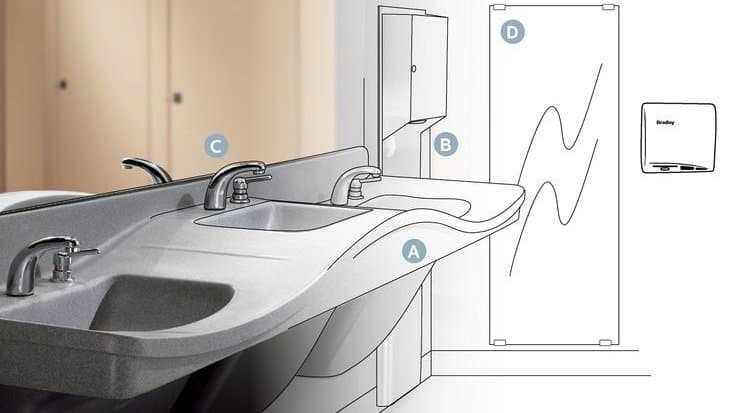
Creating an efficient layout for a compact washroom requires strategic placement of fixtures. Wall-mounted ADA bathroom sinks are one of the best solutions for saving space while maintaining accessibility. These sinks free up floor area, making the room feel more open and easier to navigate. Pairing them with concealed plumbing further enhances the clean and modern look.
Another effective strategy is to align fixtures along a single wall to maximize open space. This approach simplifies plumbing and improves movement within the room. Sliding doors, corner installations, and minimalistic storage solutions can also contribute to a more efficient layout. By carefully planning every element, it is possible to create a compact washroom that feels spacious and functional.
Enhancing User Experience with Smart Design
User experience is a key consideration in any washroom design. ADA bathroom sinks contribute to a more inclusive environment by ensuring that everyone can use the facilities comfortably. Features such as touchless faucets, rounded edges, and ergonomic designs enhance both safety and convenience. These small details can make a significant difference in how users interact with the space.
Lighting and ventilation also play an important role in improving the overall experience. Proper lighting ensures visibility and reduces the risk of accidents, while good ventilation maintains air quality and prevents moisture buildup. When combined with high-quality fixtures and thoughtful design, these elements create a washroom that is not only functional but also pleasant to use.
Maintenance and Long-Term Durability
Durability is essential for any washroom, especially in high-traffic areas. ADA bathroom sinks made from advanced materials like solid surfaces offer excellent resistance to damage and wear. They are easy to clean and maintain, which helps preserve their appearance over time. This is particularly important in commercial environments where hygiene standards must be consistently met.
Regular maintenance practices, such as cleaning with non-abrasive products and inspecting fixtures for wear, can extend the lifespan of the sink. Investing in high-quality products from reliable manufacturers ensures that the washroom remains functional and attractive for years. A well-maintained washroom not only reduces repair costs but also enhances the overall user experience.
Conclusion
Compact washroom planning requires a careful balance between space efficiency, accessibility, and design. By incorporating ADA bathroom sinks, it is possible to create a layout that meets modern standards while providing comfort and convenience for all users. From understanding compliance requirements to selecting the right materials and optimizing layout strategies, every step plays a crucial role in achieving a successful design.
With advancements in manufacturing and materials, especially in solid surface solutions offered by innovative suppliers, creating a compact and efficient washroom has never been easier. By focusing on quality, functionality, and user experience, designers and property owners can build spaces that are both practical and visually appealing.