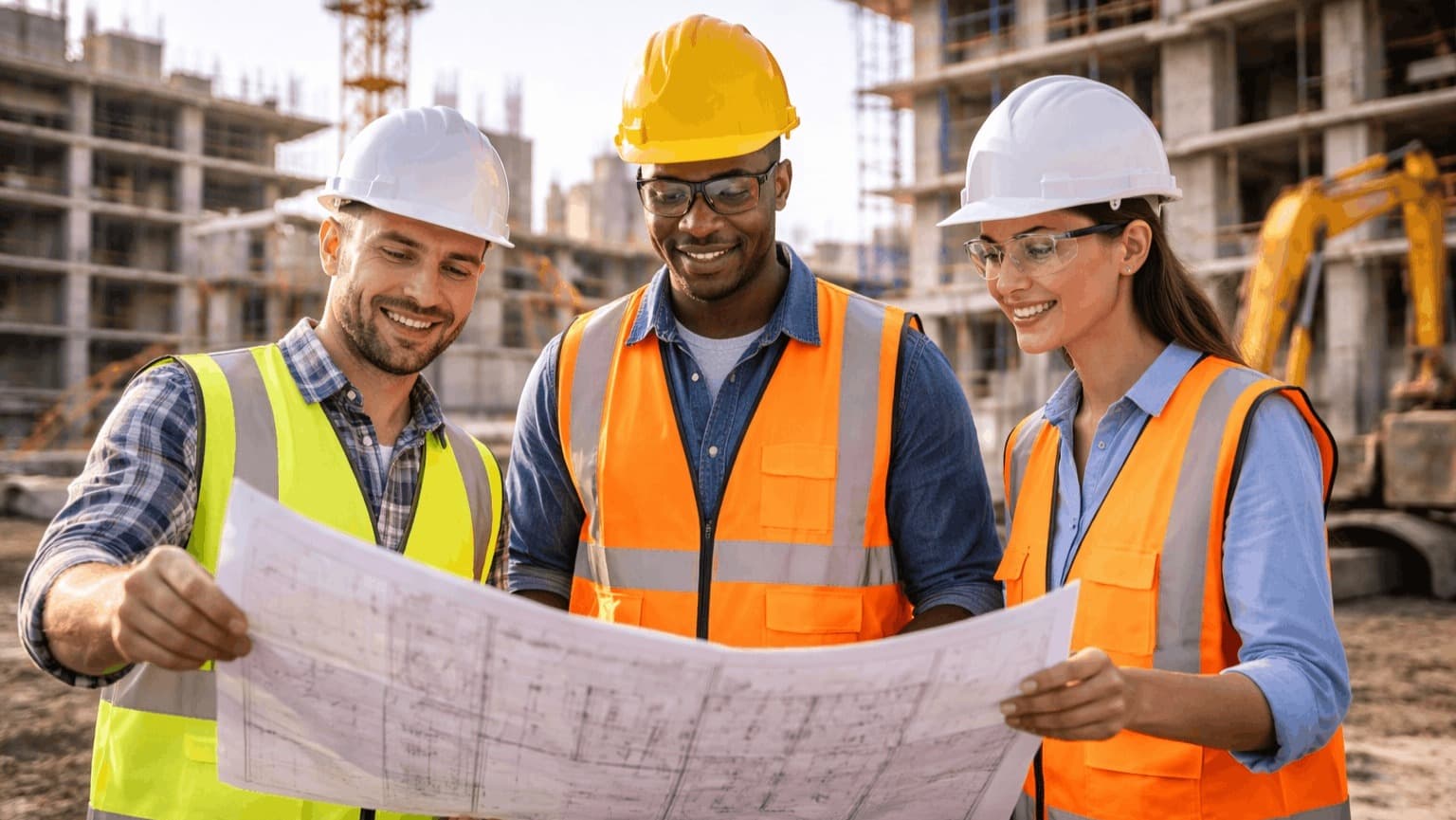


The construction process is a structured journey that transforms an idea on paper into a functional, safe, and durable structure. Whether it’s a residential home, a commercial building, or large-scale infrastructure, every successful project follows a series of clearly defined stages. Understanding these stages helps owners, contractors, and stakeholders coordinate better, reduce risks, and control costs. Below is a step-by-step explanation of the key stages of the construction process from initial concept to final handover.
1. Project Planning and Concept Development
The construction process begins long before any physical work starts on-site. During the planning and concept development stage, the project’s purpose, size, and feasibility are defined. Key activities include identifying project goals, determining the budget range, selecting the site, and conducting feasibility studies.
At this stage, owners and developers evaluate zoning laws, environmental conditions, utility access, and market demand. Preliminary schedules and risk assessments are also developed. Clear planning at this early phase reduces uncertainty and sets realistic expectations for the rest of the project.
2. Pre-Construction and Design Development
Once the concept is approved, the project moves into the pre-construction stage. This phase focuses on detailed planning, design, and cost preparation. Architects and engineers develop drawings, specifications, and technical documents that define how the building will be constructed.
Cost estimation is refined during this stage to align the design with the available budget. This is also where tools, methodologies, and insights such as How Professional Estimators Calculate Contingency become relevant, helping project teams account for risks, unknowns, and potential cost fluctuations before construction begins.
Other important tasks in this stage include scheduling, procurement planning, contractor selection, and securing permits and approvals. A strong pre-construction phase significantly reduces delays, conflicts, and costly changes later in the project.
3. Site Preparation and Mobilization
After designs are finalized and approvals are secured, the project enters the site preparation stage. This involves readying the construction site for physical work. Common activities include land clearing, grading, excavation, and setting up temporary facilities.
Utilities may be relocated or installed, access roads established, and safety measures implemented. Contractors also mobilize equipment, materials, and workforce during this phase. Proper site preparation ensures a stable foundation for construction activities and minimizes safety and logistical issues.
4. Foundation Construction
The foundation is one of the most critical stages of the construction process. It supports the entire structure and transfers loads safely to the ground. The type of foundation used depends on soil conditions, building design, and structural requirements.
This stage typically includes footing installation, foundation walls or slabs, waterproofing, and inspections. Precision and quality control are essential here, as errors in the foundation can lead to long-term structural problems and costly repairs.
5. Structural Framing
Structural framing creates the building’s skeleton. For residential and low-rise projects, this may involve wood or light-gauge steel framing. For commercial and high-rise buildings, reinforced concrete or structural steel is commonly used.
Beams, columns, floors, and load-bearing walls are constructed during this phase. Once framing is complete, the overall shape and volume of the building become visible. Structural framing must comply strictly with engineering specifications and building codes to ensure safety and durability.
6. Mechanical, Electrical, and Plumbing (MEP) Installation
After the structural framework is in place, mechanical, electrical, and plumbing systems are installed. This stage is often referred to as the “rough-in” phase.
Pipes, ducts, wiring, and conduits are placed within walls, floors, and ceilings before finishes are applied. Coordination between different trades is crucial to avoid conflicts and rework. Accurate planning during this stage helps maintain schedules and prevents cost escalation due to installation errors.
7. Building Enclosure and Exterior Works
The building enclosure protects the interior from environmental elements such as wind, rain, and temperature variations. This stage includes installing roofs, exterior walls, windows, doors, insulation, and weatherproofing systems.
Exterior finishes such as cladding, brickwork, or façade systems may also be applied. A properly constructed enclosure improves energy efficiency, occupant comfort, and long-term performance of the building.
8. Interior Finishes and Fixtures
Once the building is weather-tight, work shifts to interior construction. This stage includes wall finishes, flooring, ceilings, painting, cabinetry, fixtures, and fittings.
Attention to detail is critical here, as interior finishes directly affect the appearance, functionality, and perceived quality of the project. Inspections and quality checks ensure that work meets design specifications and client expectations.
9. Testing, Inspections, and Commissioning
Before the project can be occupied, all systems must be tested and inspected. Electrical, plumbing, HVAC, fire protection, and safety systems are thoroughly checked to ensure proper operation and code compliance.
Commissioning verifies that systems perform as intended under real operating conditions. Regulatory authorities may conduct final inspections before issuing occupancy certificates. Addressing issues at this stage ensures a safer and more reliable building.
10. Project Completion and Handover
The final stage of the construction process is project completion and handover. Remaining tasks, often referred to as punch list items, are completed. Documentation such as warranties, as-built drawings, and operation manuals are provided to the owner.
Once all requirements are met, the project is officially handed over for occupancy and use. Post-construction support may continue for a defined period to address any defects or adjustments.
Conclusion
The construction process is a systematic progression of interconnected stages, each playing a vital role in delivering a successful project. From early planning and design to final handover, careful coordination, clear communication, and informed decision-making are essential at every step.
Understanding these stages helps project owners anticipate challenges, manage timelines, and maintain control over costs and quality. By respecting the structure of the construction process, stakeholders can achieve better outcomes, reduce risk, and ensure that the final building meets both functional and financial expectations.