
Spotfund logo
Spotfund logo
Start Fundraising
PricingContact SupportStart Fundraising

Fundraise for

  • Medical Fundraising
  • Emergency Fundraising
  • Memorial Fundraising
  • Education Fundraising
  • Nonprofit Fundraising
  • Animal Fundraising
  • Community Fundraising

Featured topics

  • Easy Fundraising Ideas for Individuals
  • Creative Fundraiser Dinner Ideas
  • Raising Money for Medical Expenses
  • *spotfund for NIL Collective Fundraising
  • Giving Tuesday Fundraising 2025NEW

Trending in

  • Medical
  • Memorial
  • Emergency
  • Nonprofit
  • Family
  • Sports
  • Business

Featured topics

  • *spotfund as a Recurring Donation Solution
  • Matching Gift CampaignsPOPULAR
  • Why Recurring Donations Are Important for Nonprofits
  • How it works
  • Common questions
  • Success stories
  • For brands and nonprofits
  • How do I withdraw money?
  • *spotfund blog
  • Reviews from people like you
  • Compare *spotfund to others

Paraplegic Needs Home - Help Maria

Paraplegic Needs Home - Help Maria

Fundraising for

Maria Camacho

Fundraising forMaria Camacho
Richard Stives

Richard Stives

El Paso, Texas

Tim Brady
is collaborating on this fundraiser
$3,300of $20,000 goal
15
Donors
8
Comments
10Share Arrow
Shares
Donation protected
👍 0% fee

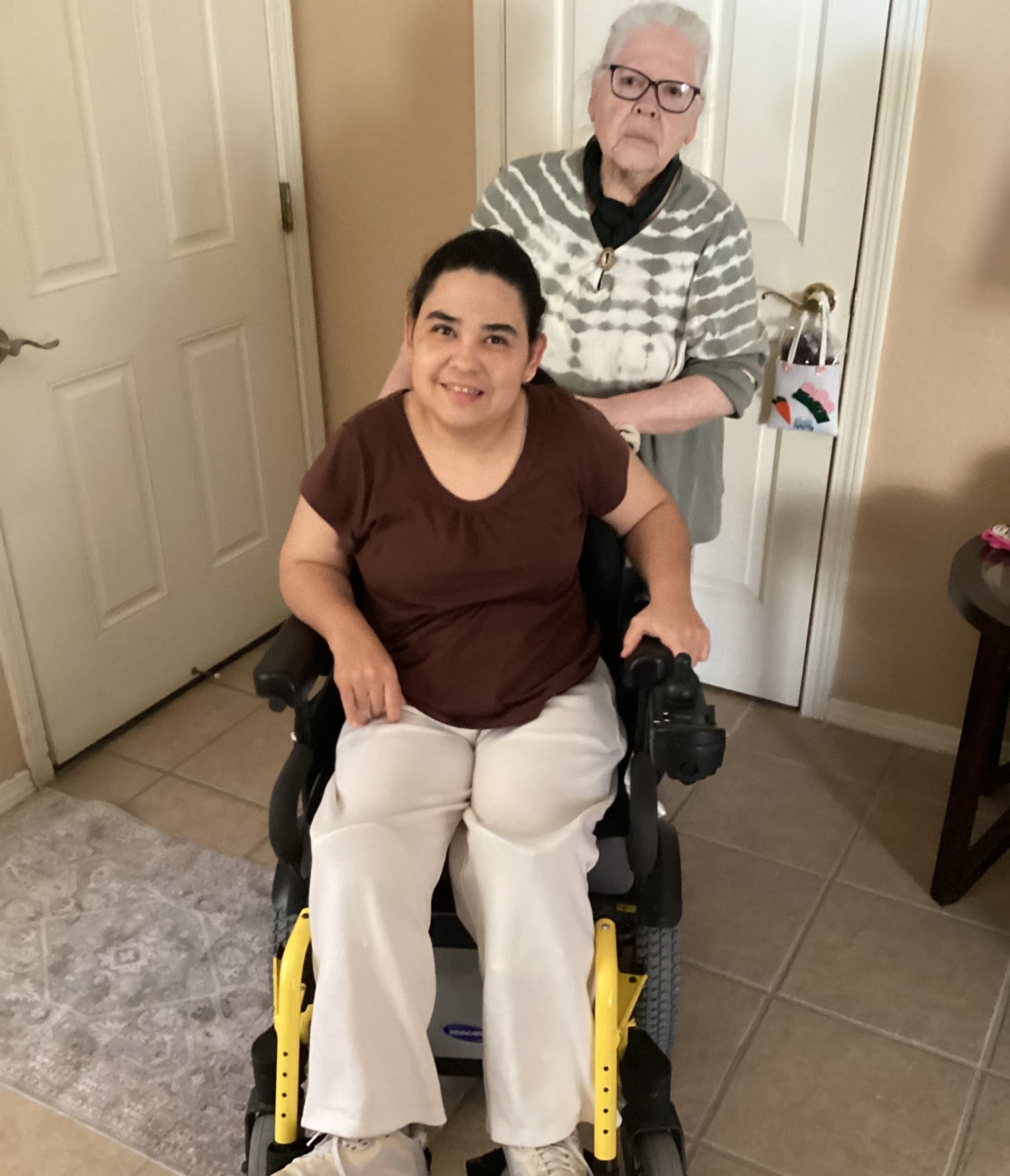
Maria Arely Camacho is a paraplegic, cared for by her elderly mother Juana. Maria does not qualify for public assistance housing in El Paso due to her immigration status. Now Maria must relocate to Mexico to live in the home of the only family member willing and able to take her in. But that home is not equipped for her special needs. Maria needs your help to build an addition to the house that will enable her to live humbly, while adequately supporting her physical limitations.


The addition is planned to be built where the stuccoed wall is located (left side in this photo) - a bedroom and handicap accessible bathroom for Maria:


Maria was born in Cd. Juarez, Chihuahua, Mexico on June 1 1987. Her mother, Juana Ocon, was 45 years old at the time. Maria’s father was never on the scene and has never had anything to do with her.


During her pregnancy, Juana lived in a rural area of Mexico, right on the border with the United States. At roughly six months of gestation Juana felt no movement of the fetus and felt ill herself. She reported to a general hospital in Mexico. Based on an ultrasound in this hospital she was advised that the baby was indeed not alive. An emergency cesarean section was performed and the baby delivered. The baby indeed appeared to be dead. She was extremely cyanotic, not breathing and pulseless. The doctors were able to resuscitate the infant manually and immediately placed her in an incubator. The doctors informed Juana that her daughter would not survive an hour.


Indeed Maria did survive. She remained in the NICU for one month. Her mother had no money to pay for this sort of care and at the one-month interval was forced to remove her from the hospital. She learned as much as she could from the nurses and did her best to care for her daughter at home.


Little by little Maria progressed, although it was obvious that she had suffered neurological damage from her intrauterine trauma. Her life remained precarious for the first seven years when her mother decided to bring her to El Paso to be evaluated. It was in this facility that she was first diagnosed with cerebral palsy and she was immediately hospitalized in the county hospital for roughly one month. During that period Juana had located a facility that housed single mothers and it was to this facility that the pair returned and lived for a bit over a year.


From here Juana accepted a position caring for an invalid woman in El Paso where she and Maria lived for the next four or five years. During this period of time, Maria, now during her seventh to twelfth year of life, underwent eighteen surgeries. Also during this same time, at the age of seven, Maria entered public school in special education classes. She entered public school speaking no English. Within a brief period of time she was communicating in English. Today she is fully fluent both in English and in Spanish. In 2009 she graduated from a public high school at the age of 22. In those 15 years she had perfect attendance. Since that time she has had no educational opportunities.


During her high school years she served on an advisory committee for the regional educational center and also attended vocational training where she spent half-days working with other disabled children.


When Maria was about sixteen years old her mother began, with the help of local immigration attorneys, to apply for legal status for the two of them. Their application for residency was denied.


At the time that their application for residency was denied, their immigration attorney applied for DACA status for Maria. This was accepted and Maria obtained status under the DACA program at the age of sixteen.


Maria, at the age of 19, while still in school, began to work part-time for a local temporary employment agency, answering the phone and doing clerical work. In about 2019 she began to work part-time for a local non-profit as an interpreter. As a result of Covid lockdowns she was released from this position. This was her last employment.


Around 2017 Juana and Maria were able to move into a very adequate apartment with handicap access. Soon, due to their immigration status, they were told that they would have to relinquish the apartment. 


Thankfully, after a lengthy appeal process, Juana and Maria have been allowed to stay in this apartment although the rent was increased significantly. Maria and her mother are supported entirely by certain charitable organizations and private individuals. They have no income whatsoever.


Maria has done what she can to achieve permanent residence without success. She has consulted with various attorneys working with charitable organizations, none of whom have been able to find an avenue of relief for Maria. She has spoken personally with the local federal congressional representative to no avail.


 Juana, Maria’s mother, is 83 years old now and not in good physical health. She is, today, the sole caretaker of Maria, who requires assistance in some of her daily personal needs. Should her mother die, or for any other reason become incapable of caring for Maria, Maria will suddenly be left without help and with nowhere to turn for assistance or for housing in the US.  


The only person able and willing to care for Maria on a full-time basis is her older half-sister, who lives in the aforementioned rural area of Mexico. Individuals who have helped Maria and Juana through the years have visited the home in question and have assessed its appropriateness for a person in Maria’s condition. These people have construction and engineering experience.


The home in Mexico to which Maria will be moved can be made adequate for her with an addition that would include a bathroom designed to ADA standards and a bedroom. At this time we have no firm estimates as to the cost of the addition but we would roughly estimate that it will take around twenty-thousand dollars. That it is in a rural area of Mexico adds its own challenges.


We also need to consider Maria’s long-term support given that the home in which she will be received will struggle with feeding and caring for two additional people. There are also Maria and her mother’s ongoing medical needs which will now need to be managed in the Republic of Mexico.


A bank account has been established in the US to receive any donations forthcoming for this intention. Some of the individuals who have been involved with Maria and Juana for many years will maintain scrutiny over the disbursement of funds.


We sincerely appreciate your consideration of this project, and please be certain that no donation is too small to be greatly appreciated.

Flavia Davis

Flavia Davis

$100 • Recent donation

Anonymous

Anonymous

$1,000 • Top donation

Richard Stives

Richard Stives

$100 • First donation

Organizer

Richard Stives

Richard Stives is the organizer of this fundraiser

Beneficiary
Tim Brady

Support  Tim Brady  by donating to this fundraiser

Paraplegic Needs Home - Help Maria
Richard Stives

Richard Stives

El Paso, Texas

Tim Brady
is collaborating on this fundraiser

Fundraising for

Maria Camacho

Fundraising forMaria Camacho
Donation protected
👍 0% fee

Maria Arely Camacho is a paraplegic, cared for by her elderly mother Juana. Maria does not qualify for public assistance housing in El Paso due to her immigration status. Now Maria must relocate to Mexico to live in the home of the only family member willing and able to take her in. But that home is not equipped for her special needs. Maria needs your help to build an addition to the house that will enable her to live humbly, while adequately supporting her physical limitations.


The addition is planned to be built where the stuccoed wall is located (left side in this photo) - a bedroom and handicap accessible bathroom for Maria:


Maria was born in Cd. Juarez, Chihuahua, Mexico on June 1 1987. Her mother, Juana Ocon, was 45 years old at the time. Maria’s father was never on the scene and has never had anything to do with her.


During her pregnancy, Juana lived in a rural area of Mexico, right on the border with the United States. At roughly six months of gestation Juana felt no movement of the fetus and felt ill herself. She reported to a general hospital in Mexico. Based on an ultrasound in this hospital she was advised that the baby was indeed not alive. An emergency cesarean section was performed and the baby delivered. The baby indeed appeared to be dead. She was extremely cyanotic, not breathing and pulseless. The doctors were able to resuscitate the infant manually and immediately placed her in an incubator. The doctors informed Juana that her daughter would not survive an hour.


Indeed Maria did survive. She remained in the NICU for one month. Her mother had no money to pay for this sort of care and at the one-month interval was forced to remove her from the hospital. She learned as much as she could from the nurses and did her best to care for her daughter at home.


Little by little Maria progressed, although it was obvious that she had suffered neurological damage from her intrauterine trauma. Her life remained precarious for the first seven years when her mother decided to bring her to El Paso to be evaluated. It was in this facility that she was first diagnosed with cerebral palsy and she was immediately hospitalized in the county hospital for roughly one month. During that period Juana had located a facility that housed single mothers and it was to this facility that the pair returned and lived for a bit over a year.


From here Juana accepted a position caring for an invalid woman in El Paso where she and Maria lived for the next four or five years. During this period of time, Maria, now during her seventh to twelfth year of life, underwent eighteen surgeries. Also during this same time, at the age of seven, Maria entered public school in special education classes. She entered public school speaking no English. Within a brief period of time she was communicating in English. Today she is fully fluent both in English and in Spanish. In 2009 she graduated from a public high school at the age of 22. In those 15 years she had perfect attendance. Since that time she has had no educational opportunities.


During her high school years she served on an advisory committee for the regional educational center and also attended vocational training where she spent half-days working with other disabled children.


When Maria was about sixteen years old her mother began, with the help of local immigration attorneys, to apply for legal status for the two of them. Their application for residency was denied.


At the time that their application for residency was denied, their immigration attorney applied for DACA status for Maria. This was accepted and Maria obtained status under the DACA program at the age of sixteen.


Maria, at the age of 19, while still in school, began to work part-time for a local temporary employment agency, answering the phone and doing clerical work. In about 2019 she began to work part-time for a local non-profit as an interpreter. As a result of Covid lockdowns she was released from this position. This was her last employment.


Around 2017 Juana and Maria were able to move into a very adequate apartment with handicap access. Soon, due to their immigration status, they were told that they would have to relinquish the apartment. 


Thankfully, after a lengthy appeal process, Juana and Maria have been allowed to stay in this apartment although the rent was increased significantly. Maria and her mother are supported entirely by certain charitable organizations and private individuals. They have no income whatsoever.


Maria has done what she can to achieve permanent residence without success. She has consulted with various attorneys working with charitable organizations, none of whom have been able to find an avenue of relief for Maria. She has spoken personally with the local federal congressional representative to no avail.


 Juana, Maria’s mother, is 83 years old now and not in good physical health. She is, today, the sole caretaker of Maria, who requires assistance in some of her daily personal needs. Should her mother die, or for any other reason become incapable of caring for Maria, Maria will suddenly be left without help and with nowhere to turn for assistance or for housing in the US.  


The only person able and willing to care for Maria on a full-time basis is her older half-sister, who lives in the aforementioned rural area of Mexico. Individuals who have helped Maria and Juana through the years have visited the home in question and have assessed its appropriateness for a person in Maria’s condition. These people have construction and engineering experience.


The home in Mexico to which Maria will be moved can be made adequate for her with an addition that would include a bathroom designed to ADA standards and a bedroom. At this time we have no firm estimates as to the cost of the addition but we would roughly estimate that it will take around twenty-thousand dollars. That it is in a rural area of Mexico adds its own challenges.


We also need to consider Maria’s long-term support given that the home in which she will be received will struggle with feeding and caring for two additional people. There are also Maria and her mother’s ongoing medical needs which will now need to be managed in the Republic of Mexico.


A bank account has been established in the US to receive any donations forthcoming for this intention. Some of the individuals who have been involved with Maria and Juana for many years will maintain scrutiny over the disbursement of funds.


We sincerely appreciate your consideration of this project, and please be certain that no donation is too small to be greatly appreciated.

Organizer

Richard Stives

Richard Stives is the organizer of this fundraiser

Beneficiary
Tim Brady

Support  Tim Brady  by donating to this fundraiser

$3,300of $20,000 goal
15Donors
8Comments
10Share ArrowShares
Flavia Davis

Flavia Davis

$100 • Recent donation

Anonymous

Anonymous

$1,000 • Top donation

Richard Stives

Richard Stives

$100 • First donation

★★★★★ Trustpilot Reviews

Ready to start?

Join the thousands like you finding help on *spotfund.

Start FundraisingHow it works
Spotfund Balloons