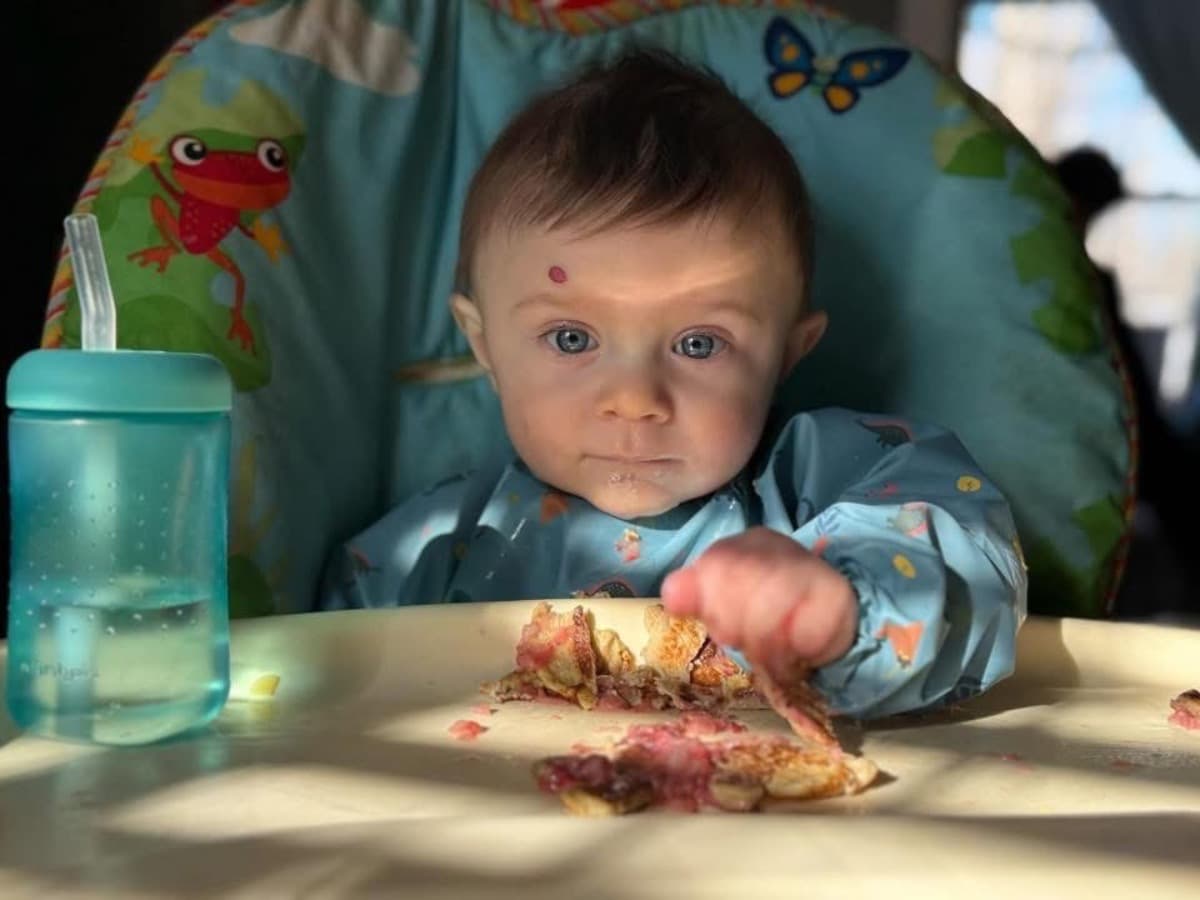

At Sawyers 4-month check-up, our pediatrician discovered some concerning signs: increased muscle tone, spasticity, torticollis, and his thumbs being stuck in his palms. We also noticed that his right arm was often held down and was quite tense, making it difficult for him to raise it. While we initially thought this might just be gas, we had been observing these changes for about a at the time. Given his history at birth, this raised concerns about cerebral palsy.
For those who may not know, Sawyer was born premature at 35 weeks. My pregnancy was mostly smooth, aside from some morning sickness. Despite medication to stop early contractions, I went into labor, and we were anxious about the possibility of him needing NICU care. Thankfully, he thrived right from the start! However, he did face some challenges at birth, including low oxygen levels that required resuscitation. He was monitored closely and thankfully scored an 8 on the APGAR scale after 15 minutes. Unfortunately, my placenta showed signs of asphyxia, which can lead to complications like cerebral palsy.
Because of these symptoms and his birth history, the pediatrician had urgently referred us to Boston Children’s neurology.
As of now, Sawyer has been confirmed to have increased muscle tone and has tightness to his right thumb which has resulted in him needing a splint. We had a sedated MRI of his brain and spine which came back clear with no anomalies.
With clear results from his MRI and his EEG next step was seeing a genetic counselor to begin genetic testing specifically exome sequencing.
Sawyer's is now 8 months old. His genetic testing revealed that he has two mutated variants in the POLR3A gene, which he inherited from both Andy and myself.
This leads us to the more daunting aspect: Most individuals with mutations in the POLR3A gene develop a condition called 4H Leukodystrophy, a progressive disease that often results in a complete loss of motor skills. Many children diagnosed with this condition appear to be perfectly normal and meet all their developmental milestones in their infant and toddler years before they start to regress.
We have reached out to Children's Hospital of Philadelphia who has the Leukodystrophy clinic, Sawyer will be seen there mid March, he has been entered into their research study as well. With this comes a lot of expenses, gas, hotels, food, co pays etc. Clinical days are on Thursdays so we will need to head down on Wednesdays and come back on Fridays.
Both of us are deeply shocked by this news and feel overwhelmed by the uncertainty. If Sawyer does have this condition, it could significantly impact our future, as he will likely lose most of his abilities at a rapid pace prior to loosing his life.
There is currently only one lab in the country that performs RNA sequencing. This testing will allow them to take a closer look at the gene's structure and determine how it may impact Sawyer as he grows older. With that said it is unfortunately another cost insurance won’t cover.
Thank you all for your continued prayers and support. We are grateful for any help we can get even if it’s just prayers and or a simple share of this. Sawyer is such a blessing, and we believe that no diagnosis will define him. He remains a happy, motivated little guy, and we’re so grateful for every moment with him! 💙
If anyone wants to follow his journey we have a Facebook Group called Sawyers Genetic Expedition- POLR3A
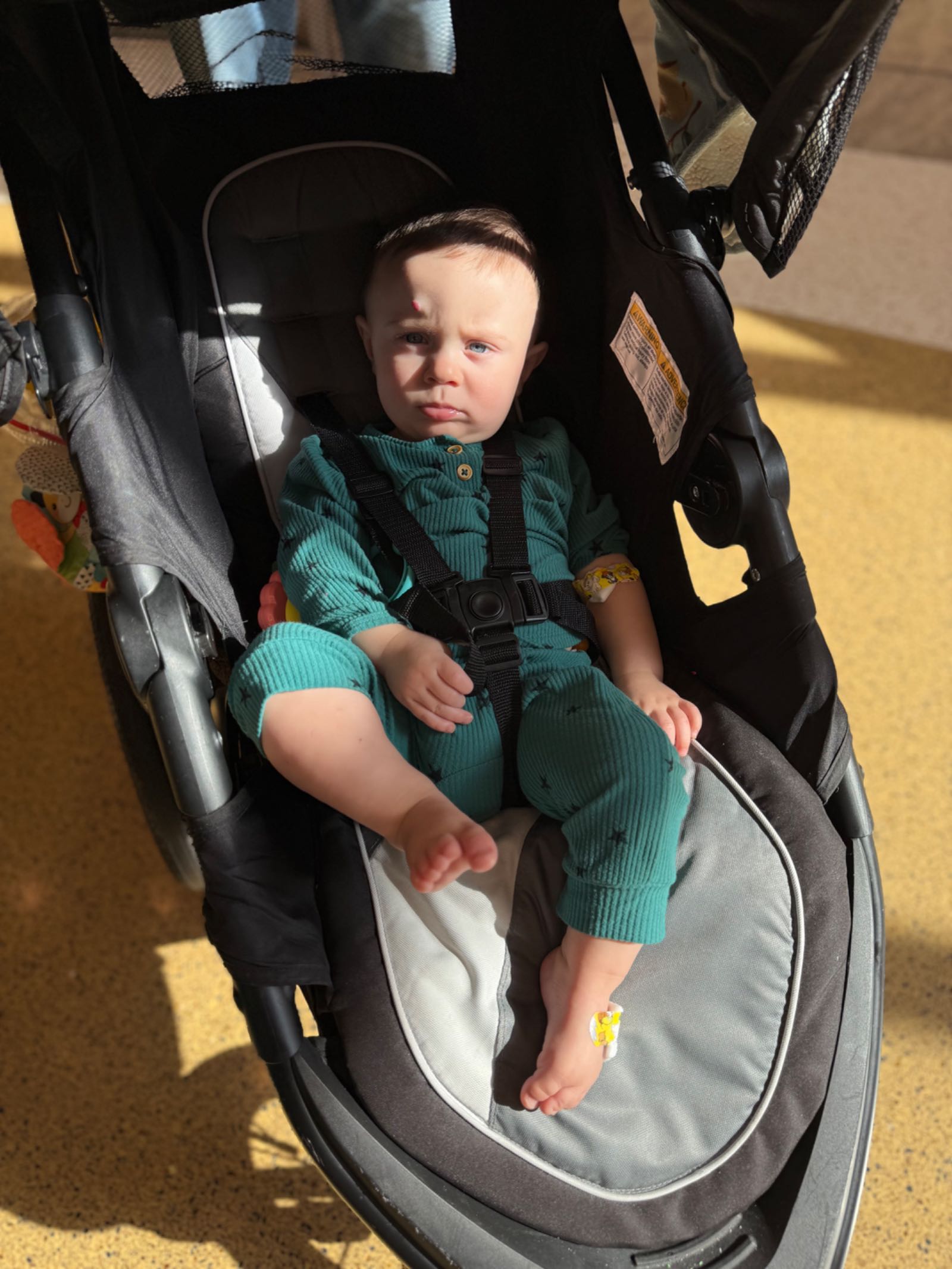 I want to start by highlighting the remarkable experience we had at the CHOP leukodystrophy clinic. While meeting with eight doctors may sound overwhelming, the entire process was exceptionally well-organized, with wait times between appointments limited to no more than ten minutes.