
Food drive ideas can bring neighbors together through online fundraising, school collections, workplace challenges, and themed grocery donations. The best choice fits your group and supplies what your local food bank or pantry actually needs.
You do not need a large event to make a useful contribution. A small collection of requested items, a focused online campaign, or a monthly neighborhood drop-off can all give people a practical way to help. Start by asking the receiving organization what it can accept, then choose one of the 30 ideas below.
What Is a Food Drive?
A food drive is an organized effort to collect food or raise money for a food bank, food pantry, or another community food program. A traditional drive collects groceries; a virtual food drive collects online donations. Financial donations can support food purchases and other program needs.
You can also combine the two. People nearby might bring requested groceries, while friends who live farther away contribute money. Keep food totals and dollars raised separate so supporters can understand the results.
Online Fundraising and Flexible Giving Ideas
1. Start an Online Fundraiser With *spotfund
Online fundraising lets people support your food drive without buying groceries or traveling to a collection point. It is especially useful for remote teams, busy families, and community groups whose supporters live in different places.
Create a food pantry fundraiser on *spotfund with a clear goal, the name of the program you are supporting, and an explanation of how the money will be used. The platform lets you share your campaign, invite collaborators, and send updates and thank-yous to supporters. It has 0% platform fees; standard payment processing fees of 2.9% plus $0.30 still apply.
Start your free food drive fundraiser and give your community a simple way to help.
Before launching, agree with the receiving organization on who will collect the funds and how they will reach the program. For example, your campaign might fund a requested grocery purchase or contribute directly toward an agreed pantry need. Explain that arrangement on the page, then share a closing update showing what was delivered or transferred.
2. Run a Sponsor-Matched Giving Challenge
Ask a local business or supporter to match donations up to an agreed limit. A defined matching period gives your group a clear reason to share the campaign while the match is available. When planning matching gifts and matching donation campaigns, distinguish a sponsor’s pledge from an employer’s matching program, which may have its own eligibility and request process.
As an illustrative setup, a sponsor could match the first $500 donated during one week. Confirm the cap, eligible donations, and payment timing before advertising the offer. Report the community contributions and sponsor contribution separately, and avoid describing a match as unlimited unless it really is.
3. Host a Livestream for Pantry Support
Turn an existing skill into a short online gathering: a musician can perform, a gardener can answer questions, or a cook can demonstrate a simple meal. Invite viewers to contribute through your food drive campaign link during the stream.
This works well for clubs and creators with an established audience. Keep the activity useful on its own, explain the pantry's specific request at the start, and have a volunteer share the donation link. Use photographs of the pantry or its guests only with permission.
4. Turn a Birthday Into a Giving Occasion
Invite friends to support a food program by asking for birthday donations instead of gifts. Choose a short campaign window and tell people why that particular pantry matters to you.
Offer both a requested-food list and an online contribution option if you can manage the two. Giving should remain optional: friends can also share the campaign or help with delivery. After the birthday, send one update showing the food collected and money raised instead of leaving supporters wondering what happened next.
5. Organize a Bring-Your-Own-Lunch Giving Day
Ask interested coworkers to bring lunch from home and voluntarily donate some of what they would otherwise have spent eating out. Everyone still enjoys a meal together, while the group supports a local food program.
Keep individual contributions private and welcome people whether or not they give. A shared lunch table and a short introduction to the pantry can make the event feel connected to the cause. This is a practical option when your workplace has little storage space for donated groceries.
6. Fund a Specific Pantry Shopping List
Ask the pantry to identify a current purchasing need, then build a campaign around that request. It might need shelf-stable milk, cooking oil, or another item that is difficult to keep in stock.
Use a current quote or the pantry's own estimate to set the goal. If you describe donation amounts as purchasing certain quantities, explain the assumptions and allow for fees or price changes. A specific request makes food bank fundraising ideas more concrete without claiming every dollar buys a fixed number of meals.

Food Drive Ideas for Schools and Workplaces
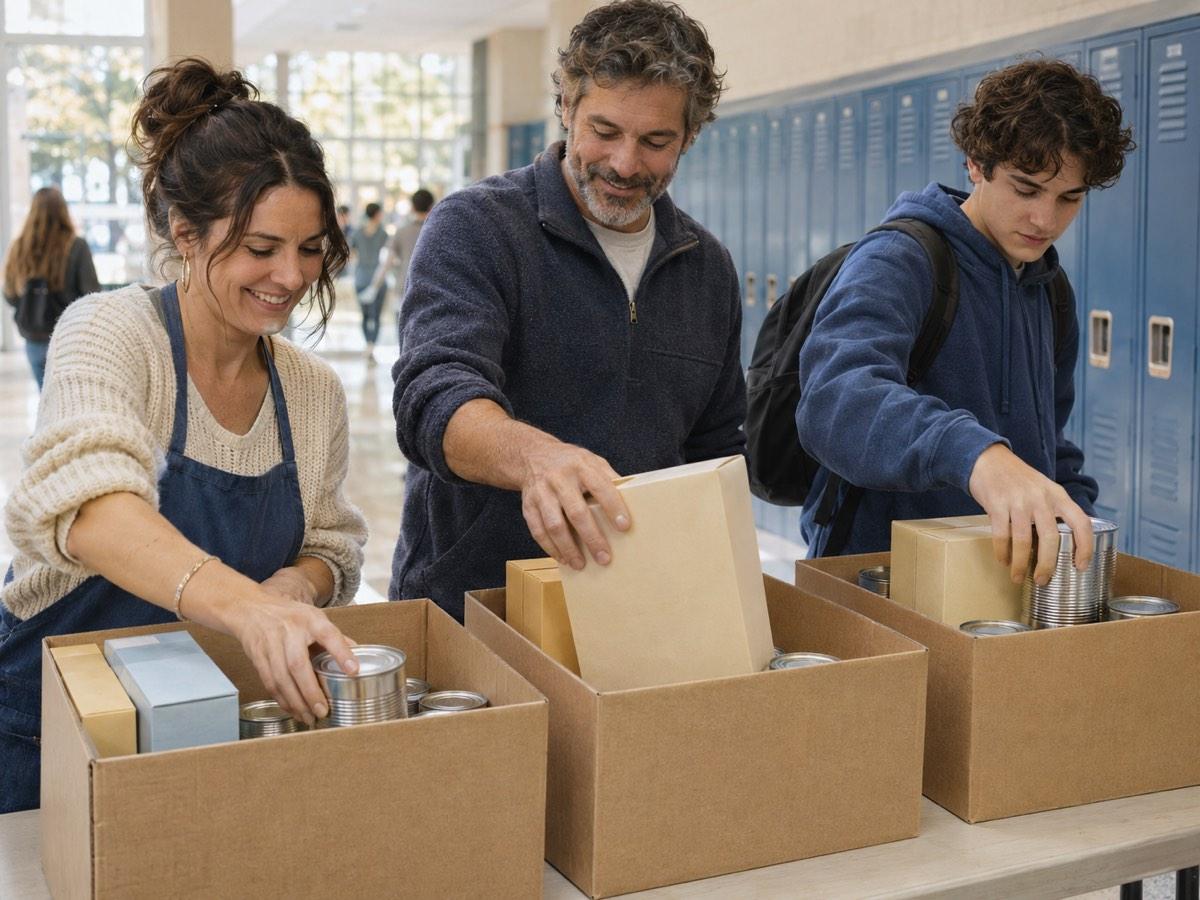
7. Hold a Classroom Collection Challenge
Give each participating classroom a collection box and the same short list of requested foods. Run the drive for a week or two so families have time to participate without repeated shopping trips.
Celebrate the school's combined contribution rather than publicly ranking individual students by how much they bring. Children can help by making signs, counting approved items, or thanking volunteers. That makes the project welcoming for students whose own families may use food assistance.
8. Create a Department Challenge
Invite workplace departments to work toward a shared food drive goal. Assign different requested categories to different teams, such as breakfast foods, canned protein, or grains, to help build a balanced collection.
If teams want a friendly competition, use a format that accounts for different team sizes and includes volunteer participation. Post a simple weekly progress update. Remote employees can contribute through the online campaign, but keep dollar and item totals distinct rather than using an arbitrary conversion.
9. Plan a Spirit Week With Daily Food Themes
Give each day a different focus so participants know what to bring. You could collect oats on Monday, canned protein on Tuesday, and fruit cups on Wednesday, provided those items match the receiving pantry's needs.
Share the whole week's list in advance instead of revealing a new request each morning. Schools can send one family notice; workplaces can use a single calendar reminder. Let people bring their items on any day so the theme does not become an obstacle to donating.
10. Add a Collection to a Sports Game
Set up a food collection table at a school game, recreation league match, or community tournament. Supporters already have a reason to attend, which gives the drive a ready-made gathering point.
Ask the organizer for permission and announce the requested items before game day. Position the table where volunteers can receive donations without blocking entry. Keep contributing optional, and arrange a vehicle and delivery volunteer before the final whistle so boxes do not remain at the venue.
11. Build a Small Can Sculpture
Let students or coworkers arrange requested canned goods into a simple display, such as a low wall, a letter, or a colorful pattern. The display gives the collection a visible focal point and can help people notice the campaign.
Choose shelf-stable items the pantry wants rather than buying products solely for their label colors. Keep structures low and stable, leave labels intact, and avoid adhesive on packaging. Dismantle the display promptly and sort the donations for delivery.
12. Pack Weekend Food Bags
Partner with a school or food program that already distributes weekend food bags. Ask for its exact packing list, portion sizes, and packaging instructions before collecting anything.
Volunteers can gather the approved items and assemble bags in one session. Confirm whether the program wants bags prepacked or would prefer loose items for its own team to sort. Let the receiving organization manage distribution and protect families' privacy; your group can focus on supplying consistent, useful contents.
13. Collect During a School Performance
Add a donation station to a concert, theater performance, or art exhibition. Parents and guests can bring an item when they attend, while students help design the announcement or decorate the collection area.
Include the request in advance ticket emails and programs, with a short list of acceptable foods. Avoid relying only on a sign at the entrance, when guests no longer have time to shop. Assign adults to move the boxes after the event and coordinate delivery.
14. Adopt One Pantry Need Each Month
For an office, school club, or regular meeting group, choose one requested item category each month. A predictable collection can be easier to maintain than repeatedly planning a large event.
Have one organizer check with the pantry before announcing the next request; last month's shortage may already be resolved. Keep the collection period short and deliver promptly. Share a brief monthly result so participants see that their contributions continue to reach the program.
Neighborhood and Community Food Drive Ideas
15. Set Up a Grocery Store Collection
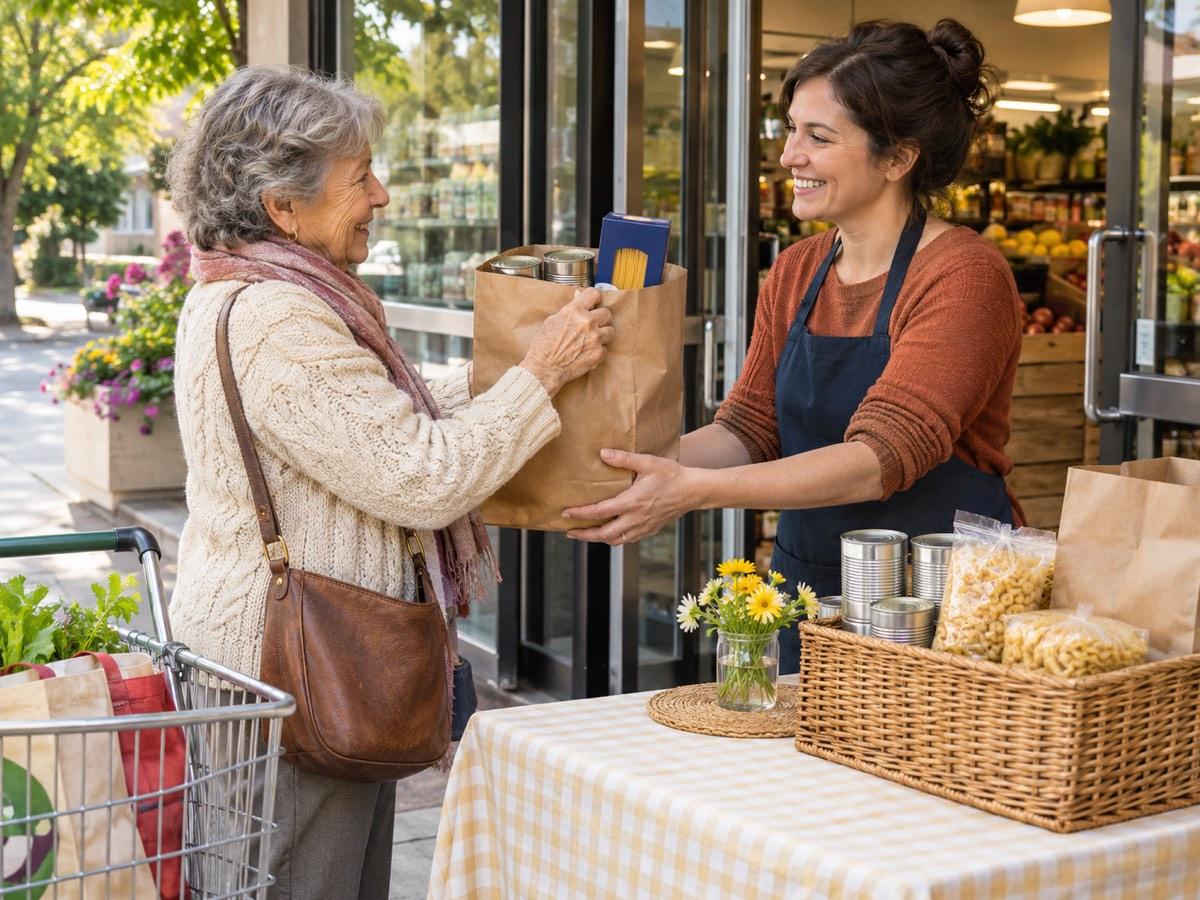
With the store's permission, station volunteers near the entrance and offer shoppers a short list of the pantry's current needs. People can choose an extra item while shopping and leave it with your team on the way out.
Keep the request specific and the table clearly identified. Arrange shifts, sturdy boxes, and transport before the event. Confirm collection hours, accepted items, and delivery arrangements with the store and receiving organization.
16. Arrange a Neighborhood Pickup Route
Invite neighbors to opt into a scheduled collection from their homes. Share the requested-food list, pickup window, organizer contact details, and how donations should be handed over.
An agreed route can help people who cannot get to a drop-off point. Ask donors to keep food protected indoors until collection rather than leaving it exposed to weather. Use manageable bags or boxes, assign adult volunteers, and avoid announcing addresses publicly.
17. Create an Apartment Lobby Collection Point
Ask your building manager to approve a donation station in a convenient common area. A lobby collection works best when residents see one clear deadline and a short, current wish list.
Use a sturdy container placed away from exits and walkways, and designate someone to check it regularly. Include the organizer's contact information so residents can ask questions. Set a pickup frequency that prevents overflow, pests, or the collection becoming a place to leave unwanted household items.
18. Host a Drive-Through Drop-Off
Choose an approved parking area where donors can hand over groceries without leaving their vehicles. This format can suit a community group with several volunteers and a short, well-publicized collection window.
Plan a simple traffic route with the property owner, separate pedestrians from moving cars, and identify who will unload and sort donations. Publish the accepted-food list in advance. Decide where the donations will go immediately afterward so a successful collection does not create an unexpected storage problem.
19. Combine a Library Visit With Giving
Partner with a library to collect requested food during a reading challenge, book club meeting, or community activity. Visitors can contribute while making a trip they already planned.
A librarian can help choose an appropriate collection location and announcement schedule. Invite participation without tying access to library services to a donation. Use a small, clearly marked station and arrange frequent pickups so library staff are not left managing a growing pile of boxes.
20. Invite Local Businesses to Host Collection Stops
Ask a few neighborhood businesses to each host a small collection point during the same week. A cafe, repair shop, or community studio may reach people who would not see a school or workplace announcement.
Give every location consistent signage, the same donation list, and one organizer to contact. Assign pickup times rather than expecting business owners to deliver the food. Track contributions by location for thank-yous, then share the combined community total.
21. Hold a Community Game Night
Invite neighbors to a board-game evening with optional food or financial contributions for the pantry. Choose games people can join easily and offer a few tables for different ages or experience levels. When planning fundraising games, match the activities to your audience, available space, and event size.
Use a donated venue if possible so costs do not consume the money raised. Announce both the cause and requested items ahead of time. Keep the gathering open to people who cannot donate; welcoming neighbors is part of building a community that supports one another.
22. Run a Restaurant Give-Back Night
Ask a local restaurant whether it will donate an agreed portion of eligible sales to your food bank fundraiser. A clear restaurant fundraiser plan should explain the cause, expected attendance, and what you are asking the restaurant to contribute. This creates a financial contribution without requiring your volunteers to buy, cook, or store food.
Confirm the date, percentage, excluded purchases, and whether customers must mention the campaign. Be precise in promotions about what benefits the pantry. Other food fundraising ideas, such as a bake sale or community breakfast, can suit groups with volunteers to prepare and serve food.
Themed and Seasonal Food Drive Ideas
23. Collect Breakfast Staples
Build a drive around breakfast foods the pantry requests, such as oatmeal, cereal, or shelf-stable milk. A single meal theme makes the shopping list easy to understand and can suit a small group.
Ask about preferred package sizes and any nutritional priorities before publishing the list. Build the breakfast theme around those requests so donors buy useful foods in quantities the pantry can distribute.
24. Focus on Canned Protein
Choose a protein-focused collection if the pantry needs items such as canned fish, chicken, beans, or other approved options. Give donors a few choices at different price points so participation does not depend on buying one particular product.
Confirm whether the pantry prefers pull-tab cans, particular sizes, or vegetarian options. Keep packaging intact and do not cover ingredient labels. This format works well as a focused response to a specific request rather than a permanent rule about what every pantry needs.
25. Put Together Pasta-Night Donations
Collect pasta, shelf-stable sauce, and other approved ingredients for an easy dinner. Ask the pantry whether it wants the items sorted individually or combined into meal kits before your group starts packing.
Choose container types it accepts; glass jars may not suit every collection or distribution setup. If you include a recipe suggestion, make clear which additional ingredients or equipment it requires. The aim is a useful dinner contribution, not a kit that assumes every household has the same kitchen.
26. Stock Up on Soup and Stew
Run a soup-themed drive around a winter gathering or sports watch party. Invite guests to bring commercially packaged soups, stews, or chili from the receiving program's list.
Offer choices such as vegetarian or lower-sodium products when requested. Ask whether ready-to-eat versions are preferable to condensed soups that need extra ingredients. Keep the theme flexible enough to accept other needed groceries, and send donations on promptly rather than holding them for a display after the event.
27. Support Summer Meal Programs
Ask a local school or community food program what supplies it needs during summer. A drive might focus on approved shelf-stable lunches, snacks, or ingredients for an existing meal service.
Time the collection around the program's schedule rather than assuming food is only needed during holidays. If it distributes specific kits, follow its instructions for contents and quantities. Confirm storage arrangements before collecting temperature-sensitive products; an ordinary donation bin is not suitable for every kind of food.
28. Organize a Holiday Meal Collection
Partner with a pantry to collect the foods it plans to distribute for a holiday meal. Ask about culturally appropriate choices, requested quantities, and the delivery deadline before creating a themed shopping list.
Shelf-stable ingredients may be easier for your group to manage than refrigerated or frozen products. Coordinate any fresh-food contribution directly with the receiving organization. Pairing the collection with Thanksgiving fundraising ideas, such as a community meal or online giving campaign, can offer supporters another way to participate.
29. Collect Culturally Familiar Pantry Staples
Ask the pantry which foods its guests regularly request but do not receive often enough. Depending on the community, that list could include particular grains, beans, spices, or other familiar cooking staples.
Let the program guide the choices instead of guessing based on people's backgrounds. Share exact product descriptions or approved alternatives when that would help donors shop. Among food pantry fundraiser ideas, this approach can also become a focused cash campaign if the organization prefers to purchase the items itself.
30. Build a No-Cook Food Collection
If the receiving program requests it, collect food suitable for people with limited access to cooking equipment. Ask for an approved list of ready-to-eat, shelf-stable products and appropriate package sizes.
Check details such as whether cans need an opener, whether leftovers require refrigeration, and whether utensils are needed. Avoid assuming every shelf-stable item can be eaten without preparation. A carefully chosen collection can be more useful than a larger donation of foods people cannot readily use.

Choose the Right Idea for Your Group
Start with the pantry's request, then consider your group's time, space, and reach. You can combine one collection idea with one giving option without turning the drive into a complicated event.
|
Your Situation |
Ideas to Consider |
Confirm First |
|---|---|---|
|
Supporters live in different places |
Online fundraiser, livestream, sponsor match |
Fund recipient, use of funds, and any matching terms |
|
You have an established school or office group |
Classroom drive, department challenge, monthly collection |
Permission, an inclusive participation format, and storage |
|
People can help locally |
Store collection, neighborhood pickup, drive-through drop-off |
Venue permission, transport, and volunteer availability |
|
The pantry has a specific shortage |
Breakfast, protein, culturally familiar, or no-cook collection |
Exact items, accepted packaging, and delivery date |
If you are considering fundraising for food banks alongside collecting groceries, ask which format would be most useful right now. Money may help the organization address purchasing needs, while requested groceries may fill a specific immediate gap. Let the receiving team help you choose.
Before running a donation drive, confirm five basics: the recipient, accepted donations, your deadline, who handles storage or funds, and how delivery or transfer will happen.
Turn a Good Idea Into Useful Support
Choose one idea your group can carry out well, keep the request clear, and make it easy for people to participate. A useful food drive ends with more than a full collection box: it gets the right support to the receiving organization and tells donors what their contributions accomplished.
An online campaign on *spotfund can give people a way to help when they cannot bring groceries in person. Pair it with your chosen collection, explain the pantry's needs, and share the results once the food and funds reach their destination.
Create your food drive fundraiser today and help your community support a local pantry.
Frequently Asked Questions
What Are Easy Food Drive Ideas for a Small Group?
Try a birthday collection, an approved apartment lobby drop-off, or a focused request for one pantry staple. An online fundraiser is another option when you lack storage or transport. Keep the deadline clear and agree on delivery or transfer before collecting donations.
Can You Run a Food Drive Without Collecting Food?
Yes. A virtual food drive raises money online for food purchases or related program needs. Identify the recipient, describe the intended use of the money, and explain who will receive and transfer the funds.
What Should You Avoid Donating to a Food Drive?
Follow the receiving organization's rules. Choose unopened, unexpired items in their original packaging. Do not collect refrigerated goods, homemade food, or other special-handling items unless the recipient has specifically agreed to accept them.
How Can Students Participate Without Buying Food?
Students can create announcements, help count and sort approved donations with adult supervision, or make thank-you cards. A food drive should offer meaningful ways to participate that do not depend on a family's ability to give money or groceries.